


The Human Resource Development Center (HRDC) at Lovely Professional University (LPU) operates as the cornerstone of institutional capacity building, dedicated to the continuous professional, academic, and personal upskilling of internal faculty, staff and its services extend to other academic institutions and corporate personnel.
As artificial intelligence is supplementing human capacities, the academic ecosystem is facing disruptive changes marking the transition from VUCA (volatile, uncertain, complex and ambiguous) to BANI (brittle, anxious, nonlinear and incomprehensible). Hence, the University is taking proactive measures to transform its systems and policies so as to leverage artificial intelligence capacities for sustainability.
In alignment with the QS sustainability agenda, LPU HRDC acts as a catalyst for lifelong learning, ensuring that the university’s workforce remains resilient, innovative, and deeply aligned with global sustainability goals. By designing and deploying strategic training interventions, HRDC nurtures an ecosystem where human capital thrives, directly contributing to the university’s mission of sustainable growth and academic excellence.
Training and development at LPU transcend mere skill acquisition; they are fundamental to institutional capacity building for holistic development of students. Through targeted programs, HRDC embeds sustainable practices into the daily operations and academic delivery of the university. LPU values, comprising accountability for actions and results, freedom of thoughts and expression, integrity & professional ethics, pursuit of excellence, and respect for diversity, serve as the ethical compass for these initiatives.
Value Based Training
During the Academic Year 2024–25, HRDC meticulously mapped its comprehensive training portfolio against the core values of the University. This integration ensures that every professional development opportunity simultaneously reinforces the university's cultural and ethical foundations.
- Accountability for Actions and Results: – A set of training programs focussed on developing responsible leadership, efficient administrative operations, disaster management, and rigorous outcome-based planning.
- Freedom of Thoughts and Expression:Training initiatives aligned here encourage intellectual discourse, innovative media management, and the exploration of new academic paradigms. These programs cultivated an environment where diverse academic opinions and creative methodologies are safely expressed and integrated into the curriculum.
- Integrity & Professional Ethics: A critical pillar for sustainability, the programs linked to this value addressed academic integrity, bioethics, cybersecurity, and workplace safety. They established a baseline of ethical conduct, ensuring that all institutional operations and research outputs maintain the highest moral standards.
- Pursuit of Excellence:Representing the largest share of training interventions, these programs were dedicated to cutting-edge technological upskilling (such as Artificial Intelligence and Data Science), advanced pedagogical strategies, and sophisticated research methodologies.
- Respect for Diversity: Programs on the Indian Knowledge System (IKS), community development, and inclusive counseling practices promoted respect for diversity. They strengthened the university’s social fabric by promoting cross-cultural understanding, equity, and a deeply inclusive campus environment.
Data-Based Summary
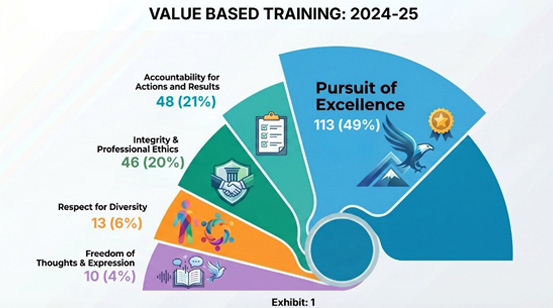
Human Resource Development Programs (2024–25)
The Academic Year 2024–25 witnessed a robust deployment of training interventions by HRDC, reflecting an active and strategic approach to capacity building. A total of 230 training programs were successfully executed, encompassing In-House Faculty Development Programs (FDPs), Staff Development Programs (SDPs), Corporate Training Programs (CTPs), and Academic Outreach Training Programs (AOTPs).
Interpretive Analysis: The distribution highlights a dominant institutional focus on the pursuit of excellence (113 programs; 49%), indicating a relentless drive towards technological advancement, research optimization, and pedagogical mastery. This was closely followed by Accountability for Actions and Results (48 programs; 21%) and Integrity & Professional Ethics (46 programs; 20%), underscoring LPU’s commitment to responsible governance, ethical compliance, and transparent operations. The targeted interventions in Respect for Diversity (13 programs; 6%) and Freedom of Thoughts and Expression (10 programs; 4%) further ensured a balanced, holistic development model that champions inclusivity and intellectual liberty, which are vital components of a sustainable academic ecosystem.
Integrity & Professional Ethics
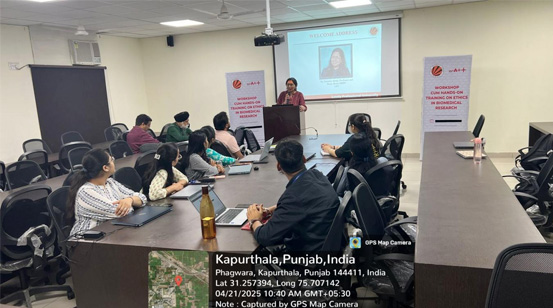
Workshop cum Hands-on Training on Ethics in Biomedical Research
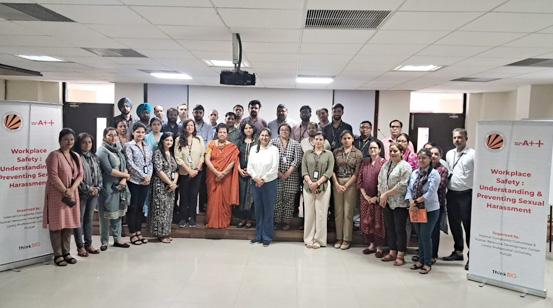
Workshop on Empowering Workplace Safety: Understanding & Preventing Sexual Harassment
This critical compliance and capacity-building workshop familiarized delegates with the ethical principles governing healthcare research focussing on the history of bioethics, New Drug Clinical Trial Rules 2019, ICMR Bioethics Guidelines, and the protection of vulnerable populations during human research. This workshop aimed at enhancing the quality of research with due consideration to ethical guidelines, human rights and global sustainability standards in scientific research.
Training on the provisions of the Sexual Harassment of Women at Workplace (Prevention, Prohibition, and Redressal) Act, 2013, and UGC Regulations, 2015 was organized for the faculty and staff members to sensitize the stake holders on the vitality of creating a safe ecosystem where people can thrive and perform as per their potential.
Pursuit of Excellence
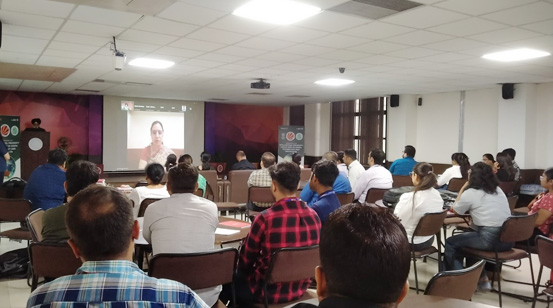
Workshop on Intellectual Property Rights in Green Technology and Innovation
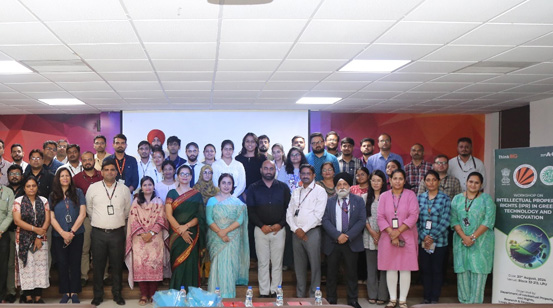
Workshop on Intellectual Property Rights in Green Technology and Innovation
The capacity-building workshop on Intellectual Property Rights in Green Technology and Innovation familiarized participants with key IPR concepts, patent processes, and protection of eco-friendly innovations. It emphasized legal frameworks and the role of IPR in promoting sustainable technologies.
Freedom of Thoughts and Expression
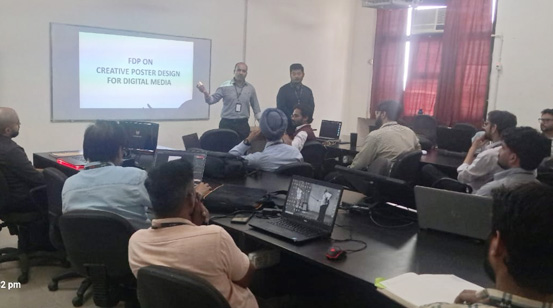
Short Term Course on Creative Poster Design for Digital Media
The short term course on creative poster design for digital media introduced learners to the principles and practices of creative poster design for digital media, including visual communication strategies, typography, color theory, layout composition, branding elements, and the use of advanced design tools and platforms.
Accountability for Actions and Results
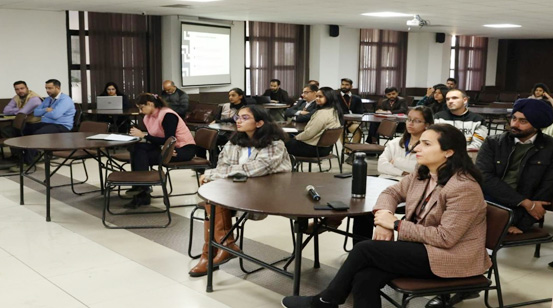
Management Development Program on Art of Leading in the XXI Century
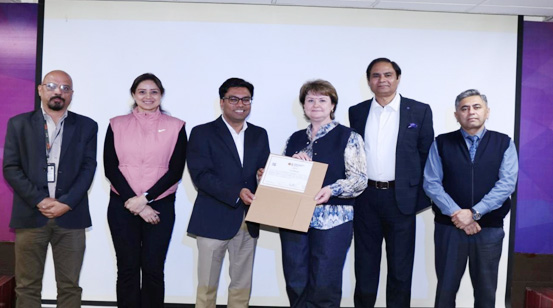
Management Development Program on Art of Leading in the XXI Century
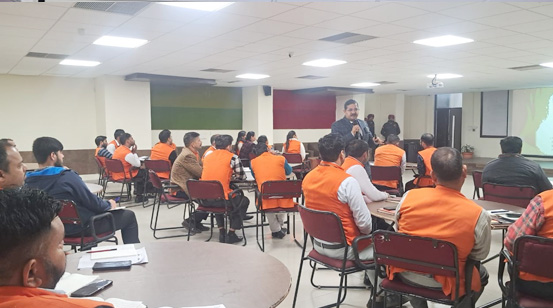
Staff Development Program on Disaster Management
Management development program on art of leading in the XXI century strengthened the leadership competencies of administrative and support staff by equipping them with essential skills for effective decision-making, strategic thinking, and people management in the dynamic context of the 21st century. It emphasized adaptive leadership, emotional intelligence, innovation, conflict resolution, and collaborative problem-solving to navigate complex organizational challenges.
Staff development program on disaster management enhanced the capabilities of administrative and support staff in understanding disaster risks, developing mitigation strategies, and executing effective emergency responses. Practical training covered fire safety, earthquake preparedness, and structural mitigation.
Respect for Diversity
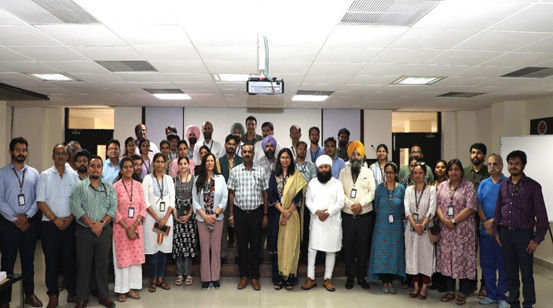
Short Term Course on Implementation of NEP-2020 in Higher Education
Short term course on implementation of NEP-2020 in higher education enhanced the understanding and competencies of faculty and administrative staff in effectively implementing the provisions of the National Education Policy (NEP-2020) in higher education institutions. It focused on curriculum restructuring, multidisciplinary approaches, outcome-based education, academic flexibility, and the integration of technology in teaching-learning processes. Practical exposure included designing learner-centric pedagogies, aligning assessment with learning outcomes, and adopting innovative academic frameworks.
LPU-HRDC’s training interventions in 2024-25 included a wide spectrum of training programs in ethics, diversity, and future-ready fields like Green Technology, the university embeds transparent governance and inclusivity into its core operations. These initiatives foster a culture of lifelong learning and institutional resilience, ensuring the workforce is equipped to lead sustainable transformations. Ultimately, such comprehensive capacity-building ensures that sustainability is a lived reality reflected in the skills and mindsets of all staff.
Conclusion
The Academic Year 2024–25 stands as a testament to the Lovely Professional University's unwavering commitment to holistic institutional development by systematically aligning 230 training programs with core LPU values for capacity building of faculty, staff and corporate personnel.
These interventions contributed towards cultivating an ethical, accountable, and excellence-driven academic culture. Whether through advancing digital resilience, promoting mental health, ensuring workplace equity, or driving pedagogical innovation, LPU-HRDC's initiatives directly support a sustainable educational ecosystem. As LPU continues to advance its journey towards QS Sustainability goals, these value-based training programs will remain instrumental in shaping a responsible, inclusive, and forward-looking university capable of driving positive global change.
NIRF
 Report of NIRF Data Capturing System: Management
- Report of NIRF Data Capturing System: Pharmacy
- Report of NIRF Data Capturing System: Engineering
- Report of NIRF Data Capturing System: Overall
- Report of NIRF Data Capturing System: Law
- Report of NIRF Data Capturing System: Architecture
- Report of NIRF Data Capturing System: Innovation
- Report of NIRF Data Capturing System: Agriculture
- Report of SDG Institution
- Report of NIRF Data Capturing System: Management
- Report of NIRF Data Capturing System: Pharmacy
- Report of NIRF Data Capturing System: Engineering
- Report of NIRF Data Capturing System: Overall
- Report of NIRF Data Capturing System: Law
- Report of NIRF Data Capturing System: Architecture
- Report of NIRF Data Capturing System: Agriculture