Agriculture has always been the backbone of human civilization, providing food, fiber, and livelihoods to billions of people worldwide. However, the sector is currently facing unprecedented challenges due to Climate Change and Agriculture. Rising temperatures, erratic rainfall, prolonged droughts, floods, and the increasing frequency of extreme weather events are significantly affecting crop productivity and threatening global food security. At the same time, agriculture itself contributes substantially to greenhouse gas emissions through intensive cultivation practices, excessive fertilizer use, and livestock production. In this scenario, Climate-Smart Agriculture has emerged as a transformative approach that enables farmers to adapt to changing climatic conditions while ensuring Sustainable Farming and long-term agricultural production.
Climate-Smart Agriculture is an integrated approach that seeks to achieve three major objectives: sustainably increasing agricultural productivity, enhancing resilience and adaptation to climate change, and reducing greenhouse gas emissions wherever possible. Rather than promoting a single farming practice, CSA combines various technologies, management practices, and policy interventions tailored to local agro-climatic conditions. It aims to make agriculture more productive, environmentally sustainable, and economically viable for present and future generations while promoting Agricultural Sustainability and Sustainable Agriculture.
One of the fundamental principles of Climate-Smart Agriculture practices is efficient resource management. Water scarcity has become one of the greatest constraints to agricultural production in many regions. Precision irrigation systems such as drip and sprinkler irrigation help deliver water directly to the root zone, minimizing wastage and improving water-use efficiency. Rainwater harvesting, laser land levelling, and conservation of soil moisture through mulching further enhance the availability of water during critical crop growth stages. These practices not only conserve precious water resources but also improve crop yields under water-limited conditions, supporting Sustainable Crop Production.
Healthy soils form the foundation of resilient agricultural systems. Climate-smart farming emphasizes the restoration and conservation of soil health through Conservation Agriculture practices, including minimum tillage, crop residue retention, and diversified crop rotations. These practices reduce soil erosion, enhance soil organic carbon, improve water infiltration, and support beneficial soil microorganisms. The incorporation of organic manures, compost, green manuring, and biofertilizers further strengthens soil fertility while reducing dependence on chemical fertilizers. Healthy soils are better able to withstand climatic stresses and sustain crop production over the long term, ensuring Climate-Resilient Agriculture.
Crop diversification is another important strategy within Climate-Smart Agriculture. Depending heavily on a single crop exposes farmers to significant risks during adverse weather conditions. Introducing diversified cropping systems involving cereals, pulses, oilseeds, vegetables, and fruit crops helps distribute production risks while improving soil fertility and farm income. Intercropping, mixed cropping, and agroforestry systems also contribute to greater biodiversity, improved nutrient cycling, and enhanced resilience against pests, diseases, and climate variability through Climate-Resilient Farming and Eco-Friendly Farming approaches.
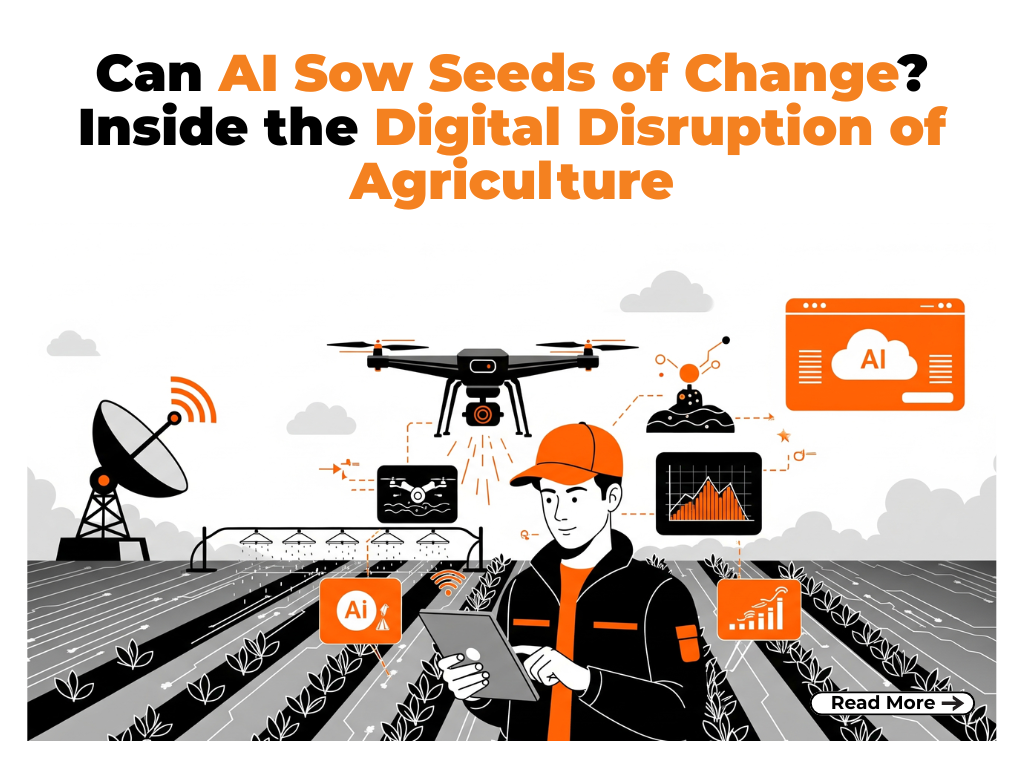
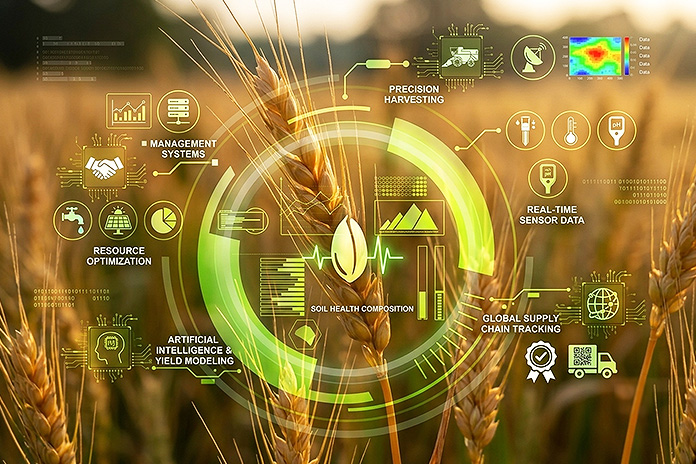
Advancements in Digital Agriculture have further strengthened Climate-Smart Agriculture and Smart Farming practices. Precision Agriculture technologies, including drones, satellite imagery, remote sensing, geographic information systems (GIS), and Internet of Things (IoT)-based sensors, allow farmers to monitor crop health, soil moisture, nutrient status, and pest infestations in real time. Mobile applications and weather forecasting services provide timely advisories regarding irrigation scheduling, fertilizer application, pest management, and harvesting decisions. These Digital technologies in agriculture enable farmers to make data-driven decisions, reduce production costs, optimize input use, and improve productivity while minimizing environmental impacts. This demonstrates the Benefits of precision agriculture and supports Precision agriculture for climate change.
Nutrient management is another crucial component of Climate-Smart Agriculture. Excessive and imbalanced fertilizer application contributes to greenhouse gas emissions and deteriorates soil health. Site-specific nutrient management, integrated nutrient management, and the use of controlled-release fertilizers help optimize nutrient availability according to crop requirements. The integration of organic and inorganic nutrient sources ensures balanced nutrition while improving soil structure and reducing nutrient losses through leaching and volatilization. These practices contribute significantly to Sustainable agriculture technologies and long-term Agricultural Sustainability.
Integrated Pest Management (IPM) also aligns well with Climate-Smart Agriculture. Climate change has altered pest and disease dynamics, increasing the frequency of outbreaks in many crops. IPM combines biological control agents, resistant crop varieties, cultural practices, mechanical methods, and need-based pesticide application to effectively manage pests while minimizing chemical usage. This approach protects beneficial organisms, reduces pesticide residues in food, and lowers environmental contamination, making it an important part of Green Agriculture and Sustainable farming methods.
The adoption of Climate-Resilient Agriculture crop varieties has become increasingly important in recent years. Plant breeders are developing high-yielding varieties that can tolerate drought, floods, salinity, heat stress, and emerging diseases. Such varieties enable farmers to maintain stable yields even under challenging environmental conditions and strengthen Climate-resilient crop production. Simultaneously, improved seed systems ensure timely availability of quality seeds to farming communities while supporting Climate adaptation in agriculture.
Government policies and institutional support play a vital role in promoting Climate-Smart Agriculture. Financial incentives, crop insurance schemes, access to affordable credit, extension services, and farmer training programs encourage the adoption of sustainable farming practices. Research institutions and agricultural universities continue to develop innovative technologies and location-specific recommendations that help farmers respond effectively to climate-related challenges. Public-private partnerships are also facilitating the dissemination of climate-resilient technologies and digital advisory services to rural communities, driving Agricultural Innovation and Sustainable farming innovations.
Despite its numerous advantages, the widespread adoption of Climate-Smart Agriculture faces several challenges. Small and marginal farmers often have limited financial resources, restricted access to technology, inadequate market linkages, and insufficient technical knowledge. High initial investment costs for precision farming equipment and irrigation systems may discourage adoption. Strengthening extension networks, enhancing farmer awareness, and ensuring affordable access to Sustainable agriculture solutions and Climate-resilient farming techniques are essential for overcoming these barriers. Expanding Climate-Smart Agriculture in India through supportive policies and farmer education can further accelerate adoption across diverse agro-climatic regions.
Climate-Smart Agriculture is no longer an option but a necessity for ensuring global food security in the face of climate change. By integrating Modern farming techniques with Sustainable Agriculture, farmers can increase productivity while conserving natural resources and reducing environmental impacts. The success of this approach depends on collaborative efforts among farmers, researchers, policymakers, industries, and consumers. Investing in climate-smart solutions today will not only secure agricultural production but also safeguard ecosystems, strengthen Sustainable Food Systems, and improve the livelihoods of millions of farming families. As agriculture enters a new era of innovation and sustainability, Climate-Smart Agriculture offers a practical roadmap toward building resilient food systems and shaping the Future of Agriculture as well as the Future of sustainable farming.
Beyond improving farm productivity, the growing demand for sustainable agricultural practices is also creating exciting career opportunities. Students interested in a Career in Agriculture can contribute to areas such as climate resilience, precision farming, sustainable resource management, and agricultural research. Programmes related to Sustainable Agriculture Course, Climate-Smart Agriculture Course, and Agricultural Biotechnology equip learners with the knowledge and practical skills required to address modern agricultural challenges.
Professionals can build rewarding careers as an Agricultural Scientist, sustainability consultant, agronomist, climate analyst, or researcher while contributing to Sustainable Agriculture Careers and Sustainable Development Careers. With continuous Agricultural Innovation and advancements in climate-smart technologies, the agriculture sector is evolving into a field that offers both global career opportunities and meaningful contributions to environmental conservation and food security.