
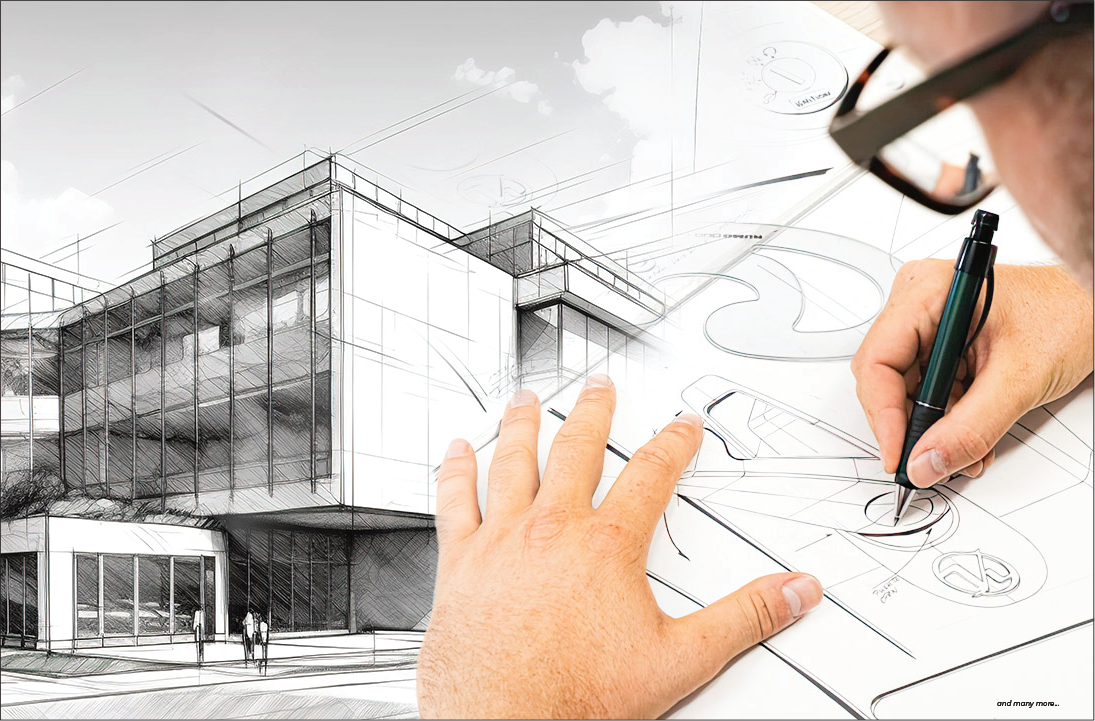
- Building a Career after Diploma in Architectural Assistantship
- What Is the Scope of a Diploma in Architectural Assistantship Today?
- Why a Diploma in Architectural Assistantship Is a Smart Career Choice
- Core Technical and Design Skills You Gain During the Diploma
- Career Options after Diploma in Architectural Assistantship
- Job Roles, Growth Path, and Salary Trends
- Top Architecture Firms and Employers Hiring Diploma Holders
- Higher Studies and Career Advancement Options after the Diploma
- Government Jobs and Public Sector Opportunities
- Final Thoughts: Shaping Your Future in Architecture and Design
- Frequently Asked Questions (FAQs)
Building a Career after Diploma in Architectural Assistantship
Choosing the right path after completing a diploma plays a key role in shaping long-term success. Many students explore the career after diploma in architectural assistantship to understand how their technical and creative skills can be applied in real-world design environments. This diploma offers strong practical exposure in drafting, design support, and construction documentation, preparing students for entry-level roles in the architecture field.
The architecture diploma career overview clearly highlights opportunities in architectural studios, construction companies, and urban planning projects. In these roles, students assist architects in designing layouts, preparing drawings, and supporting project execution, which helps them gain valuable hands-on experience.
Most learners begin with entry-level architecture careers, where they gradually build their technical knowledge, improve their software skills, and understand how projects are managed from start to finish. This early exposure creates a solid base for future growth.
With the advancement of technology, AI-driven career guidance is also helping students explore new and emerging opportunities in architecture and design support roles. This allows them to make informed decisions and plan a clear, future-ready career path.
What Is the Scope of a Diploma in Architectural Assistantship Today?
The scope of Diploma in Architectural Assistantship has grown significantly in recent years due to rapid urbanization and increasing infrastructure development. Today, architects and construction companies depend on skilled assistants who can handle drawings, coordinate with teams, and support project execution efficiently.
The rising architecture industry demand has opened up opportunities across residential, commercial, and large-scale urban development projects. This means diploma holders can find work in multiple sectors and gain diverse practical experience.
Students can explore a wide career scope in architecture support roles, including positions like drafting assistant, CAD technician, and design coordinator. These roles are essential for the smooth functioning of any architecture or construction project.
Looking ahead, the future of architecture careers is also evolving with trends like sustainable design, smart buildings, and digital modeling. This further increases the demand for skilled diploma holders who are trained in both traditional and modern design practices.
Why a Diploma in Architectural Assistantship Is a Smart Career Choice
Many students look at the benefits of architectural assistantship diploma when they want a career-focused and practical programme. This diploma is designed to build real skills, so students can quickly step into the industry without spending many years in study.
If you’re wondering why choose an architecture diploma, the answer is simple—it offers hands-on learning, strong industry relevance, and a shorter duration compared to full-degree programmes. This makes it a smart option for students who want to start their career early.
These job-oriented architecture courses mainly focus on drafting, planning, and design support, which are the core requirements in the architecture field. Students gain practical exposure that directly matches industry needs.
With the help of AI-guided course decision, students can also evaluate their interests and strengths, ensuring that this diploma aligns well with their creativity and technical abilities for a successful career path.
| Did You Know? Many architecture firms prefer diploma holders for drafting and documentation roles because of their strong practical training. |
Core Technical and Design Skills You Gain During the Diploma
During the course, students build strong architectural drafting skills, where they learn to prepare floor plans, elevations, sections, and detailed working drawings. This forms the foundation of understanding how designs are translated into real structures.
They also develop essential CAD skills for architecture by working on software like AutoCAD and other digital tools used for drafting and 3D modeling. These technical skills are highly important in today’s design and construction industry.
The programme further improves design visualization skills, enabling students to better understand spatial planning, layouts, materials, and how different elements come together in a design. This helps in turning ideas into practical and creative solutions.
With evolving technology, students are also introduced to AI tools in architectural design, which support concept creation, modeling, and visualization. Altogether, these skills prepare students for professional roles where they can effectively assist architects and design teams.
Career Options after Diploma in Architectural Assistantship
After completing the diploma, students can explore a wide range of jobs after an architectural assistantship diploma across architecture studios, construction firms, and interior design companies. These opportunities allow them to apply their technical knowledge in real-world projects and gain valuable industry experience.
There are several architecture career options available, including roles like CAD technician, drafting assistant, site coordinator, and design support executive. Each role helps students build expertise in different aspects of design, planning, and execution.
Many graduates also work in assistant architect roles, where they support senior architects in project planning, preparing drawings, and coordinating with teams. This hands-on involvement helps them understand the complete project lifecycle.
With the help of modern tools and AI-powered career mapping, students can identify the right domain based on their interests, whether it is residential design, commercial spaces, or urban planning, and build a focused career path accordingly.
Job Roles, Growth Path, and Salary Trends
After completing the diploma, students usually start with entry-level architecture job roles such as CAD operator, architectural assistant, or design support executive. These roles help them gain practical exposure and understand how real projects are executed.
In the beginning, candidates can expect a decent architectural assistant salary depending on their skills, software knowledge, and location. With experience and strong performance, professionals can gradually move into senior roles and handle more responsibilities.
Over time, there is clear career growth in the architecture field, where individuals can progress to positions like senior draftsman, project coordinator, or even design consultant. Growth mainly depends on experience, skill development, and continuous learning.
By understanding salary trends and architecture, students can plan their career path more effectively and focus on upgrading their technical and creative skills to achieve better opportunities in the long run.
| Did You Know? Professionals with CAD and visualization expertise often experience faster growth in architecture-related roles. |
Top Architecture Firms and Employers Hiring Diploma Holders
There are many architecture firms hiring diploma holders who are skilled in drafting, planning, and documentation work. These firms look for candidates who can support architects in creating layouts, technical drawings, and project details with accuracy and efficiency.
Some of the most common employers for architectural assistants include construction companies, real estate developers, interior design firms, and architectural consultancies. These organizations regularly require professionals who can assist in both design execution and on-site coordination.
In most cases, design studios recruitment is based on a candidate’s portfolio, creativity, and knowledge of tools like AutoCAD, SketchUp, and other design software. Practical skills and hands-on experience often matter more than just theoretical knowledge.
Overall, architecture industry recruiters prefer candidates who are detail-oriented, technically sound, and capable of working in a team, making diploma holders valuable contributors to real-world projects.
Higher Studies and Career Advancement Options after the Diploma
Students who wish to continue their education can explore higher studies after architecture diploma by pursuing degree programmes like B.Arch, B.Des, or other design-related fields. These options help in building deeper knowledge and open up better opportunities for career advancement in architecture. With a strong foundation from the diploma, students can easily adapt to advanced concepts and specialized learning.
Along with degree programmes, enrolling in short-term courses and certifications also plays an important role. These provide continuing education for architectural assistants, helping them upgrade their technical skills in areas like CAD, 3D modeling, and design software. Continuous learning keeps them relevant in a fast-evolving industry.
With the rise of digital tools, students can now follow AI-guided learning paths to choose and master specific domains such as interior design, urban planning, or sustainable architecture. This flexibility allows them to align their skills with industry demands and build a focused, future-ready career path.
Government Jobs and Public Sector Opportunities
There are several government jobs for architectural assistants available in departments like Public Works Departments (PWD), housing boards, and urban development authorities. These roles involve supporting engineers and architects in preparing drawings, plans, and project documentation for public infrastructure.
Students can also explore public sector architecture careers by contributing to large-scale government projects such as smart cities, highways, housing schemes, and urban planning initiatives. These roles provide stability along with valuable exposure to real-world development work.
In addition, many PSU jobs architecture roles focus on drafting, design assistance, and project coordination in organizations related to construction and infrastructure. Along with this, urban development roles are available in municipal corporations and planning agencies, where professionals work on city layouts, zoning, and sustainable development projects.
| Did You Know? Government infrastructure projects require architectural assistants for planning documentation and site coordination. |
Final Thoughts: Shaping Your Future in Architecture and Design
A diploma in architecture lays a strong foundation for building future-ready architecture careers, as it blends essential technical drafting skills with creative design understanding. Students not only learn how to create plans and layouts but also develop the ability to think critically and visualize spaces effectively. This combination of practical and conceptual learning helps them move confidently toward advanced studies or entry-level roles in the industry.
With the right approach and dedication, students can build a sustainable career in architecture by continuously upgrading their skills through software training, certifications, and real-world experience. The field rewards those who stay updated with modern trends, materials, and technologies, making continuous learning a key factor in long-term success.
Moreover, with rapid urbanization and infrastructure growth, there is an increasing demand in the construction and design sector. This creates strong long-term growth in design professions, offering diverse career paths such as architectural assistant, interior designer, or planning support roles. Overall, this diploma serves as a valuable starting point for students aiming to establish themselves in the evolving world of architecture and design.
Frequently Asked Questions (FAQs)
Q1. What are the career options after Diploma in Architectural Assistantship?
Ans: Roles include architectural assistant, CAD technician, and design support executive.
Q2. Can diploma holders work in architecture firms?
Ans: Yes, many architecture firms hire diploma holders for drafting and documentation roles.
Q3. Is higher study possible after this diploma?
Ans: Yes, students can pursue B.Arch or other design-related programmes.
Q4. Are government jobs available?
Ans: Yes, opportunities exist in public works and urban planning departments.
Q5. What skills are most important?
Ans: CAD drafting, visualization, and technical drawing skills are essential.