Why Feelings Drive Every Click
Have you ever used an app that just felt right? Not because it had more features, but because it was smooth, simple, and satisfying. That’s the power of emotional UX design.
In today’s digital world, users don’t just choose products based on features they choose how those products make them feel. This shift is driven by deeper user experience psychology, where emotions directly influence user decisions, engagement, and loyalty.
What Is Emotional UX, Really?
Emotional UX design focuses on the feelings users experience while interacting with a digital product and even after they leave it.
Every interaction triggers a response:
- A smooth onboarding builds confidence
- A slow or confusing interface creates frustration
- A small animation can create delight
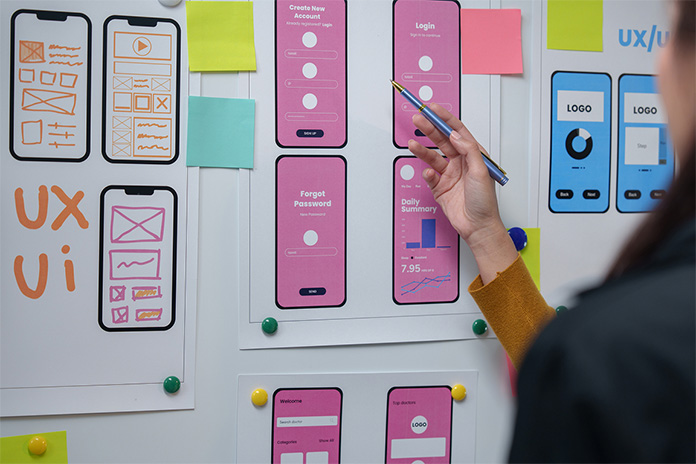
This is why modern digital product design is no longer just about usability it’s about creating meaningful experiences.
Why Emotional UX Matters More Than Ever
With so many apps and platforms competing for attention, functionality alone is not enough. According to evolving UI UX trends, products that connect emotionally tend to perform better in terms of retention and engagement.
Users may forget features, but they always remember how a product made them feel. That emotional memory is what builds trust and long-term usage.
The Key Elements That Shape Emotional UX
1. First Impressions: Design Speaks Before Words
Users form opinions within seconds. Clean layouts, balanced colours, and thoughtful typography create a sense of trust and professionalism.
This is where human centered design plays a key role designing not just for function, but for human comfort and clarity.
2. Microinteractions: Small Details, Big Impact
Microinteractions—like button feedback, loading animations, or confirmation messages make products feel responsive and alive.
These small details reduce uncertainty and improve user satisfaction, making them a core part of effective digital product design.
3. Consistency Builds Trust
When an interface behaves predictably, users feel more in control. Consistency across screens, layouts, and actions builds confidence and reduces confusion.
This aligns strongly with principles of user experience psychology, where familiarity leads to comfort and trust.
4. Personalization Creates Connection
Users appreciate when products feel tailored to their needs. Personalized recommendations and adaptive interfaces create relevance.
However, balance is important. Ethical human centered design ensures personalization feels helpful not intrusive.
The Psychology Behind Emotional UX
Humans naturally respond to feedback and familiarity. A progress bar motivates completion, a success message gives satisfaction, and a smooth journey builds confidence.
This is why UX research methods like user testing, feedback analysis, and behavioural studies are essential they help designers understand real user emotions rather than assumptions.
Where Emotional UX Makes the Biggest Impact
- E-commerce: Builds trust and improves purchase decisions
- Education platforms: Keeps learners engaged and motivated
- Banking apps: Creates a sense of safety and control
- Healthcare apps: Reduces anxiety through clear and calm design
Across industries, strong emotional UX design improves both usability and user satisfaction.
The Challenges of Designing for Emotions
Designing for emotions is complex. Different users react differently based on their background, preferences, and context.
Overdesign is also a risk—too many animations or forced interactions can feel overwhelming. Ethical design matters. Good UX connects with users; it doesn’t manipulate them.
Conclusion: Designing for Real Human Experiences
At its core, emotional UX design bridges the gap between technology and human emotion. It turns digital products into experiences that users trust, enjoy, and remember.
By combining user experience psychology, thoughtful UI UX trends, and strong UX research methods, designers can create meaningful and impactful products.
Because in the end, users don’t just interact with products they connect with them.



![Why B.Sc. Information Technology [Lateral Entry] at LPU Stands Out](https://www.lpu.in/blog/wp-content/uploads/2025/12/Why-B.Sc_.-Information-Technology-Lateral-Entry-at-LPU-Stands-Out-100x70.png "Why B.Sc. Information Technology [Lateral Entry] at LPU Stands Out?")
![Career Paths after B.Tech. Aerospace Engineering [Lateral Entry]](https://www.lpu.in/blog/wp-content/uploads/2025/10/B-Tech-Aerospace-Engineering-Lateral-Entry-01.png "Career Paths after B.Tech. Aerospace Engineering [Lateral Entry]")