
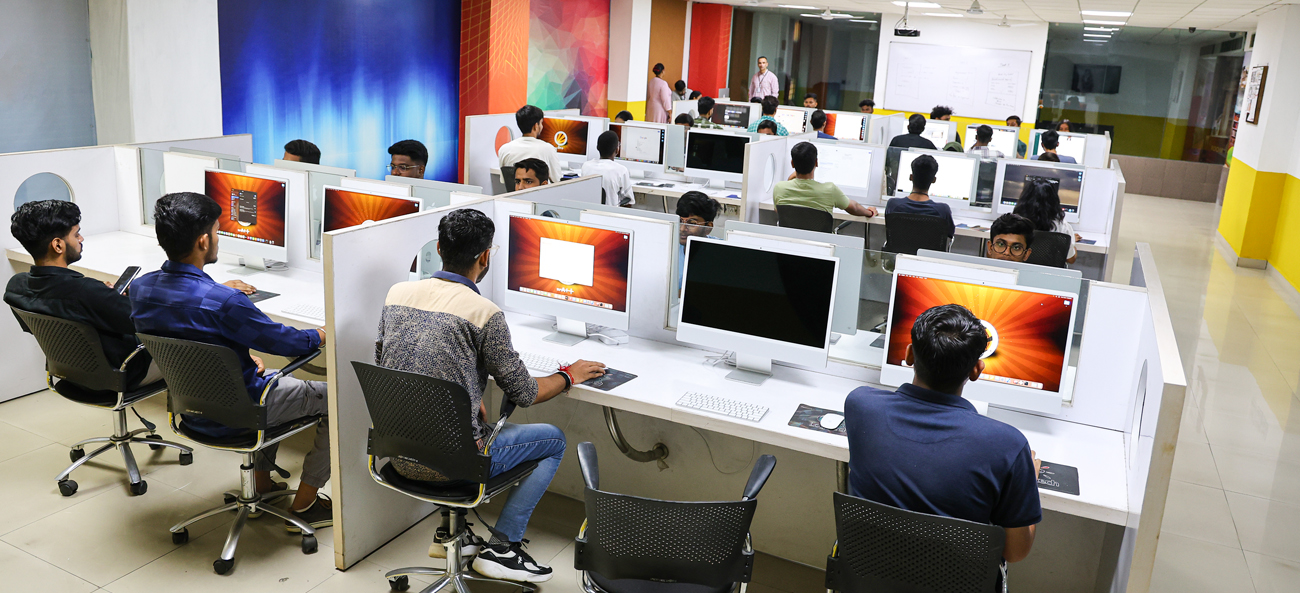
Introduction to Global Career Pathways after B.Tech CSE
The technology industry has transformed into one of the most globally connected sectors in the modern world. Today, students pursuing Computer Science Engineering are no longer limited to local employment opportunities because technology companies now operate across international markets. This has significantly expanded global career opportunities after B.Tech CSE International Credit Transfer, creating pathways in software development, artificial intelligence, cloud computing, cybersecurity, and digital transformation industries worldwide.
Modern organizations seek professionals who understand both technical systems and global work environments. As a result, students are increasingly exploring international computer science careers through globally integrated academic programmes. The rise of remote work culture, multinational technology firms, and international startup ecosystems has further increased global tech job opportunities for engineering graduates.
One educational model that has gained strong attention in recent years is the 2+2 international credit transfer structure. This model allows students to gain technical education along with international exposure, helping them build stronger academic and professional adaptability. In a rapidly evolving digital economy, students with international academic experiences often develop broader perspectives, stronger communication skills, and greater confidence in global work environments.
The future of computer science is no longer confined within borders. Engineers today contribute to multinational innovation projects, global software systems, AI-powered products, and digital infrastructures that serve users worldwide. Therefore, choosing a globally connected engineering pathway can significantly influence long-term career growth.
What Does the 2+2 International Credit Transfer Structure Mean?
The 2+2 engineering program benefits are becoming increasingly attractive for students who wish to combine domestic education with international academic experience. In this structure, students typically complete the first two years of their engineering programme at their home university and later transfer to an international partner university to complete the remaining two years of their degree.
This international credit transfer program structure allows students to continue their education seamlessly while earning globally recognized qualifications. Academic credits earned during the first phase are transferred to the international institution, ensuring continuity in learning without repeating coursework.
One major advantage of a study abroad computer science degree pathway is exposure to different educational systems. Students experience international teaching methodologies, advanced laboratories, multicultural environments, and global research ecosystems. These experiences contribute to stronger adaptability and broader technical understanding.
The 2+2 model also provides students with opportunities to explore global internships, international networking, and industry collaboration projects. In many cases, students gain exposure to innovation-driven academic environments where research and practical learning are deeply integrated into the curriculum.
From a career perspective, international academic exposure often strengthens employability because employers value candidates who can work in diverse environments and understand international professional standards. Students also develop communication, teamwork, and problem-solving skills in multicultural settings, which are highly valued in the global technology industry.
Did You Know?Students participating in international credit transfer programmes often gain better cross-cultural communication skills, which are considered highly valuable in multinational technology companies. |
Software Engineering Careers across Global Markets
Software engineering remains one of the strongest and most stable career domains for computer science graduates. The demand for professionals capable of building scalable software systems, web applications, cloud platforms, and enterprise technologies continues to rise worldwide.
Today, global software engineering jobs exist across industries such as healthcare, finance, education, e-commerce, gaming, manufacturing, and entertainment. Companies require skilled developers who can create efficient, secure, and user-friendly digital systems.
Students exploring software developer careers abroad often discover opportunities in countries with rapidly growing technology sectors such as the United States, Canada, Germany, Australia, Singapore, and the United Kingdom. Global companies frequently recruit engineers capable of working on international projects and distributed development teams.
Modern international software engineering opportunities extend beyond traditional coding roles. Engineers now contribute to:
- Full-stack development
- Mobile application development
- Cloud-native software systems
- AI-integrated applications
- Enterprise software platforms
- DevOps engineering
- Software architecture design
The software industry values practical skills, innovation, and continuous learning. Students who build strong portfolios through projects, internships, coding competitions, and collaborative development environments often gain stronger career opportunities globally.
International exposure through 2+2 programmes also helps students understand global software development practices, agile workflows, product design methodologies, and collaborative engineering standards.
Data Science and AI-Driven Career Opportunities
Artificial intelligence and data science are reshaping nearly every industry today. Organizations increasingly rely on intelligent systems to analyze data, automate decision-making, improve efficiency, and personalize user experiences. This transformation has significantly increased data science careers abroad and AI-focused employment opportunities.
Students pursuing computer science with global exposure can explore strong artificial intelligence job opportunities across healthcare analytics, finance, robotics, e-commerce, cybersecurity, transportation, and automation industries.
Some of the fastest-growing career roles include:
- Data Scientist
- AI Engineer
- Machine Learning Specialist
- Business Intelligence Analyst
- Deep Learning Researcher
- NLP Engineer
- AI Product Developer
The demand for machine learning engineer careers continues to rise because companies require professionals capable of building predictive models, recommendation systems, intelligent automation tools, and advanced analytics platforms.
AI-driven industries also value professionals who can combine technical knowledge with innovation and research-oriented thinking. International education pathways often expose students to advanced AI laboratories, research ecosystems, and global innovation projects that enhance learning experiences.
Modern computer science graduates are increasingly expected to understand:
- Python programming
- Machine learning frameworks
- Big data technologies
- Neural networks
- Data visualization
- Cloud AI tools
- AI ethics and responsible computing
These skills contribute significantly to long-term employability in the evolving digital economy.
Cybersecurity, Cloud & Infrastructure Roles Worldwide
As businesses become more digitally connected, protecting systems and managing digital infrastructure have become critical priorities. This has created strong demand for professionals specializing in cybersecurity, cloud computing, and infrastructure management.
Today, cybersecurity jobs globally are growing rapidly because organizations must secure sensitive information, financial systems, healthcare records, and digital communication networks from cyber threats.
Similarly, cloud technology has transformed how businesses store, process, and manage data. The rise of cloud platforms has increased demand for professionals pursuing cloud computing engineer careers in multinational technology environments.
Students in these domains often work on:
- Cloud architecture
- Infrastructure automation
- Ethical hacking
- Security analysis
- Data protection systems
- Cloud migration
- DevSecOps practices
The demand for network security careers worldwide continues to increase because modern enterprises require secure digital communication infrastructures.
International academic exposure also strengthens understanding of global cybersecurity regulations, cloud standards, and enterprise-level infrastructure systems. Students gain opportunities to work with modern technologies used by global organizations.
Did You Know?Cybersecurity is considered one of the fastest-growing technology sectors globally due to increasing digital transformation and rising cyber threats. |
Product Development and Technology Consulting Careers
Technology companies increasingly focus on innovation-driven product ecosystems. As a result, there is strong demand for professionals involved in software product development, technology consulting, and digital transformation strategies.
Students exploring product development careers in tech often work on designing software platforms, user-focused applications, SaaS products, AI-based tools, and enterprise technologies.
Technology consulting is another rapidly growing domain where engineers help organizations improve operational efficiency through digital systems. Modern technology consulting jobs involve:
- Business process analysis
- Digital transformation planning
- Cloud implementation
- Data strategy consulting
- Technology integration
- Enterprise system optimization
Many graduates also explore the software product manager career pathway, where they bridge technical development and business strategy. Product managers often coordinate between developers, designers, business teams, and customers to create impactful digital products.
International exposure helps students understand global product development cycles, agile project management, innovation ecosystems, and international client collaboration.
These career paths are particularly suitable for students who combine technical expertise with communication, leadership, and analytical thinking skills.
Research, Innovation & Tech-Focused Higher Education Paths
Many engineering graduates choose to continue their academic journey through advanced research and higher education. Students interested in innovation often pursue MS in computer science abroad to specialize in emerging technologies such as AI, robotics, cybersecurity, quantum computing, and data science.
The demand for research careers in computer science continues to increase because technology companies and universities invest heavily in innovation-driven development.
Research-focused domains include:
- Artificial Intelligence
- Human-Computer Interaction
- Robotics
- Cybersecurity
- Quantum Computing
- Data Analytics
- Cloud Systems
- Blockchain Technology
Students exploring higher studies after B.Tech CSE benefit from international research environments where academic institutions collaborate with industries on real-world innovation projects.
International universities often provide access to:
- Advanced laboratories
- Research grants
- Industry-sponsored projects
- Innovation incubators
- Startup ecosystems
- Global conferences
These opportunities help students contribute to future technological advancements while strengthening their academic and professional expertise.
Entrepreneurship, Startups & Global Tech Ecosystems
The global startup ecosystem has created exciting opportunities for engineering graduates interested in innovation and entrepreneurship. Many students today aspire to build products, launch startups, and contribute to emerging technology solutions.
The rise of digital economies has increased tech startup opportunities for engineers across sectors including fintech, AI, healthcare technology, e-commerce, edtech, gaming, and SaaS platforms.
Students exploring global entrepreneurship in technology often benefit from international exposure because they gain understanding of:
- Innovation ecosystems
- Global market trends
- Venture funding environments
- Startup culture
- Product scalability
- International networking
The modern startup ecosystem for software engineers values creativity, adaptability, technical problem-solving, and entrepreneurial thinking.
Universities with global academic partnerships often encourage students to participate in startup incubators, innovation challenges, hackathons, and entrepreneurial mentorship programmes. These experiences help students transform ideas into practical business solutions.
International learning environments also expose students to diverse market needs, helping them build products suitable for global audiences.
Did You Know?Many successful global startups were founded by engineering graduates who combined technical expertise with entrepreneurial thinking during their academic journey. |
How Does International Exposure Shape Long-Term Career Growth?
International education provides far more than academic learning. One of the most important benefits of international education for engineers is the development of adaptability, cultural awareness, and global communication skills.
Students studying in multicultural environments often become more confident in handling diverse professional situations. This contributes significantly to global career development because multinational companies prefer professionals who can collaborate across cultures and international teams.
Another major advantage of international professional experience is exposure to global industry practices, advanced technologies, and modern research systems.
International academic pathways often help students:
- Build international professional networks
- Improve communication skills
- Develop independent problem-solving abilities
- Understand global work ethics
- Gain confidence in international workplaces
Such experiences contribute to stronger employability and broader career opportunities in the long term.
Industry Demand Trends for Globally Trained CSE Graduates
The technology industry continues to expand rapidly due to advancements in AI, automation, cloud computing, cybersecurity, and digital infrastructure. This has significantly increased the demand for computer science graduates worldwide.
Organizations now seek professionals who possess both technical expertise and global adaptability. Modern global technology job trends indicate growing demand for engineers capable of working across distributed teams and international digital ecosystems.
The future of software engineering jobs is expected to remain strong because industries increasingly rely on digital systems for operations, customer experiences, automation, and innovation.
Emerging demand areas include:
- Artificial Intelligence
- Cloud Infrastructure
- Cybersecurity
- Data Engineering
- DevOps
- Full-Stack Development
- Blockchain Systems
- Intelligent Automation
Globally trained graduates often gain advantages because they understand international work cultures, advanced technologies, and collaborative engineering practices.
Skill Sets That Define High-Growth CSE Careers
Modern technology careers require a combination of technical knowledge, innovation, and adaptability. Strong programming skills for software engineers remain essential because coding forms the foundation of modern digital systems.
Students preparing for future technology roles should focus on:
- Data structures and algorithms
- Cloud platforms
- Software architecture
- Cybersecurity fundamentals
- AI and machine learning
- Database management
- DevOps tools
- Full-stack development
The growing integration of AI into technology industries has also increased the importance of AI and cloud computing skills.
Modern employers increasingly value:
- Communication skills
- Problem-solving abilities
- Team collaboration
- Critical thinking
- Project management
- Research orientation
These computer science career skills help students adapt to evolving industry demands and long-term professional growth.
Did You Know?Technology professionals who continuously upgrade their skills often experience stronger long-term career growth because the digital industry evolves rapidly. |
Conclusion
The future of computer science is deeply connected with global innovation, digital transformation, and emerging technologies. Students pursuing international academic pathways through 2+2 programmes gain opportunities that extend beyond traditional classroom education.
The future of global computer science careers looks highly promising because industries worldwide continue to depend on software systems, AI technologies, cloud platforms, cybersecurity solutions, and intelligent digital infrastructures.
The benefits of international engineering education include stronger technical exposure, multicultural understanding, global networking opportunities, and enhanced professional adaptability.
Students who combine technical expertise with international exposure often become more confident, innovative, and industry-ready. As the digital economy continues to expand globally, engineers equipped with advanced technical skills and international learning experiences will remain highly valuable across industries.
Choosing a globally connected B.Tech CSE programme can therefore become a strong foundation for building a successful and future-oriented technology career.
Frequently Asked Questions (FAQs)
Q1. What is a 2+2 International Credit Transfer Programme?
Ans: It is a programme where students complete the first two years at their home university and the final two years at an international partner university through credit transfer.
Q2. What are the career options after B.Tech CSE with international exposure?
Ans: Students can explore careers in software engineering, AI, data science, cloud computing, cybersecurity, product development, research, and technology consulting.
Q3. Does international exposure improve employability?
Ans: Yes, international exposure often strengthens communication skills, adaptability, technical learning, and global professional understanding, which employers highly value.
Q4. Can students pursue higher education abroad after this programme?
Ans: Yes, students can pursue MS, research programmes, and specialized postgraduate degrees in computer science and related fields globally.
Q5. Which skills are most important for future CSE careers?
Ans: Programming, AI, cloud computing, cybersecurity, problem-solving, communication, and project-based learning are considered highly important for future technology careers.