- Overview of the B.Tech. (ME – Mechatronics) [2+2 with International Credit Transfer Option] Program at LPU
- Why Is LPU’s Mechatronics Curriculum Industry-Aligned?
- Experiential Learning Through Robotics Labs, Automation Systems, and Live Projects
- Role of Industry Mentorship and Corporate Exposure in Mechatronics Engineering
- Student Experience at LPU: Learning Beyond Traditional Classrooms
- LPU at a Glance: Infrastructure, Technology Ecosystem, and Innovation Culture
- How Faculty Expertise Strengthens Practical Learning in Mechatronics?
- LPUNEST – Gateway to a Future-Ready Mechatronics Career
- International Credit Transfer Option: Learn in India and Study Abroad
- Innovation Culture, Robotics Competitions, Technical Events, and Engineering Challenges
- How LPU’s Campus Ecosystem Supports Career Readiness and Skill Development?
- Industry Exposure, Internships, and Real-World Mechatronics Experience
- Global Career Scope after B.Tech. (ME – Mechatronics) [2+2 with International Credit Transfer Option]
- Future Industry Demand for Mechatronics Professionals
- Final Thoughts
- Frequently Asked Questions (FAQs)
Imagine a world where robots work alongside humans, factories operate through intelligent automation, and machines can monitor their own performance. These developments are transforming modern engineering and creating exciting possibilities for students interested in technology, innovation, and intelligent machines.
Mechatronics engineering plays an important role in this transformation. By bringing together mechanical engineering, electronics, computer programming, and control systems, this multidisciplinary field helps engineers develop technologies used in robotics, smart manufacturing, automated production, and advanced industrial equipment.
For students who want to explore these technologies while gaining international academic exposure, B.Tech. (ME – Mechatronics) [2+2 with International Credit Transfer Option] at Lovely Professional University (LPU) is an interesting educational pathway.
The programme combines engineering fundamentals with opportunities for practical learning and international academic progression. Its 2+2 international credit transfer option is designed to allow eligible students to begin their education in India and potentially complete the remaining part of their degree at a participating overseas institution, subject to applicable requirements.
With its multidisciplinary learning environment, engineering infrastructure, innovation activities, and focus on professional development, LPU offers students an opportunity to build technical knowledge while preparing for an evolving engineering industry.
1. B.Tech. (ME – Mechatronics) [2+2 with International Credit Transfer Option] Program at LPU
Modern engineering is no longer limited to designing machines or working with electrical circuits separately. Today’s industrial systems increasingly combine mechanical components, sensors, electronics, programming, and automated controls to perform complex operations.
This is where mechatronics engineering becomes important.
The B.Tech. Mechatronics at LPU is intended for students who want to understand how different engineering technologies work together to create intelligent mechanical systems.
A mechatronics programme typically introduces students to subjects such as mechanical design, electrical and electronic systems, control engineering, industrial automation, robotics, and computer-based technologies.
For example, consider an automated manufacturing machine. Its mechanical components perform physical movements, electronic sensors collect information, and programmed control systems coordinate its operations. Mechatronics engineers work on integrating these elements into functional systems.
The 2+2 international credit transfer pathway adds another dimension to this educational experience. Under this model, eligible students may pursue the initial two years at LPU and transfer to a participating international institution for the remaining two years, provided they meet the academic, credit-transfer, financial, and admission requirements.
This combination of technical education and potential international exposure makes Lovely Professional University Mechatronics an option worth exploring for students interested in engineering careers with a global perspective.
2. Why Is LPU’s Mechatronics Curriculum Industry-Aligned?
Industries are changing as automation, connected machinery, robotics, and digital manufacturing become increasingly important. Engineering graduates therefore benefit from understanding both traditional mechanical systems and modern technologies.
An industry-oriented mechatronics curriculum connects fundamental engineering principles with technologies relevant to industrial applications.
The academic foundation of a contemporary mechatronics engineering syllabus may include:
- Engineering Mechanics and Mechanical Design
- Electrical and Electronic Engineering Fundamentals
- Sensors and Instrumentation
- Microcontrollers and Embedded Systems
- Control Systems Engineering
- Robotics and Industrial Automation
- Programmable Logic Controllers (PLCs)
- Computer-Aided Design and Manufacturing
- Pneumatic and Hydraulic Systems
- Internet of Things (IoT) Applications
- Smart Manufacturing and Industry 4.0 Concepts
These subjects help students understand how intelligent machinery is designed, controlled, maintained, and improved.
For instance, industrial robots require mechanical structures for movement, electronic components for sensing, and software-based systems for controlling their actions. A multidisciplinary engineering education helps students understand the relationship between these technologies.
The broader engineering environment at LPU encourages students to connect classroom concepts with practical applications. Exposure to different technical disciplines can also help learners develop the flexibility needed to work with emerging technologies.
An Industry 4.0 curriculum is particularly relevant because modern factories increasingly use connected equipment, automated production systems, and data-driven monitoring.
Through an emphasis on interdisciplinary engineering knowledge, the programme can help students prepare for technological developments in manufacturing, robotics, and automation.
3. Experiential Learning Through Robotics Labs, Automation Systems, and Live Projects
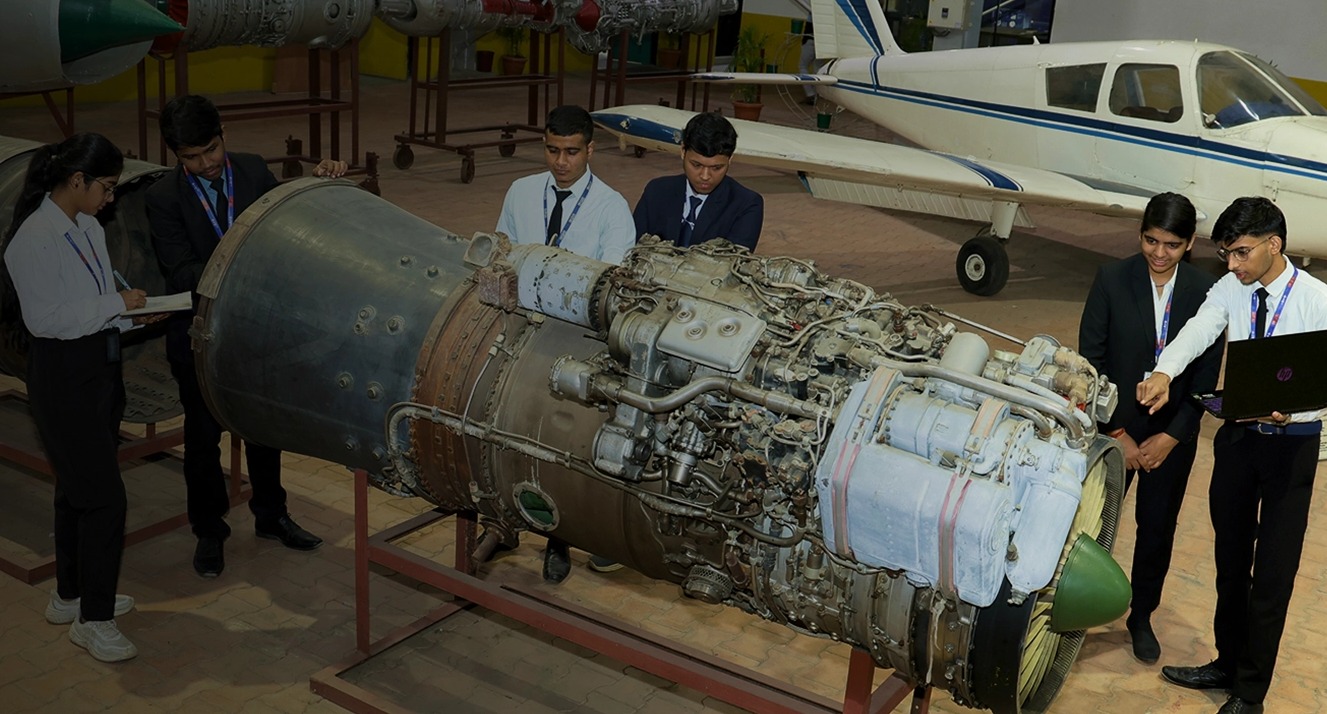
Mechatronics is a field where practical experimentation plays a major role in understanding engineering concepts.
Reading about sensors, motors, and automated machines provides theoretical knowledge, but working with these components helps students understand how engineering systems function in real situations.
Hands-on mechatronics learning can involve designing mechanical assemblies, connecting electronic components, programming controllers, and testing automated systems.
Engineering laboratories and project activities provide opportunities to explore how different technologies interact.
Students interested in robotics and automation systems training can develop skills through practical exercises involving sensors, actuators, control mechanisms, and programmable devices.
Examples of mechatronics project ideas include:
- Designing a robotic arm for automated material handling
- Developing an obstacle-detection mobile robot
- Creating an automated conveyor belt system
- Building a smart irrigation system using sensors
- Developing an automated sorting mechanism
- Designing a temperature-controlled industrial system
- Creating an IoT-based machine monitoring prototype
- Developing a line-following robot
- Building an automatic packaging mechanism
These are illustrative project possibilities rather than a confirmed list of compulsory LPU projects.
Working on such mechatronics projects encourages students to identify problems, develop technical solutions, test prototypes, and make improvements.
The practical learning environment at LPU can help students explore engineering applications through laboratory activities, collaborative assignments, and technical projects.
For students interested in industrial automation, the opportunity to experiment with engineering concepts is particularly valuable because it develops technical confidence and problem-solving abilities.
4. Role of Industry Mentorship and Corporate Exposure in Mechatronics Engineering
Engineering education becomes more meaningful when students understand how their academic knowledge connects with actual industry requirements.
In mechatronics, professional exposure can introduce students to the working environments of manufacturing plants, robotics companies, automation service providers, and engineering design organisations.
Industry mentorship may involve interactions with experienced engineers, technical professionals, researchers, and industry specialists.
Through guest lectures, technical seminars, workshops, and professional discussions, students can gain insights into modern engineering practices.
Corporate exposure is valuable because industrial organisations frequently work with technologies that require expertise in several engineering disciplines.
Students exploring mechatronics internships may encounter areas such as:
- Industrial robotics and automation
- Manufacturing equipment maintenance
- Product design and development
- Embedded control systems
- Quality testing and inspection
- Production process optimisation
- Sensor integration and instrumentation
- Automated assembly systems
Such experiences can help students understand workplace expectations and the importance of technical accuracy, teamwork, and safety.
At LPU, the broader emphasis on professional development and industry interaction can support students in exploring these opportunities.
However, the availability of specific mentors, corporate projects, and internships depends on the programme, industry participation, and individual eligibility.
Did You Know?Mechatronics engineers often work on technologies that combine mechanical movement with electronic intelligence. Industrial robots, automated packaging systems, and smart production equipment are examples of systems where mechanical engineering, electronics, and programming work together. |
5. Student Experience at LPU: Learning Beyond Traditional Classrooms
University life is about more than attending lectures and completing examinations. It is also an opportunity to discover interests, develop new abilities, and learn through interaction with people from different backgrounds.
For mechatronics students, a meaningful university experience can involve technical projects, engineering discussions, teamwork, competitions, and experimentation.
The multidisciplinary campus environment at Lovely Professional University provides opportunities for students to engage with learners from different academic disciplines.
This is especially useful in mechatronics because the field combines mechanical engineering, electronics, computer science, and automation.
A student working on a robotics project, for example, may need knowledge of mechanical structures, electronic circuits, programming, and system testing.
Through project-based learning, students can strengthen their understanding of how these engineering areas connect.
Participation in technical events and collaborative activities can also help students develop communication, presentation, leadership, and organisational skills.
For students planning to explore international education through the 2+2 pathway, developing confidence in communication and adapting to different learning environments can be particularly helpful.
The student experience at LPU can therefore contribute to both technical education and broader personal development.
6. LPU at a Glance: Infrastructure, Technology Ecosystem, and Innovation Culture
Engineering students benefit from an academic environment that supports experimentation, research, technical discussions, and practical exploration.
Lovely Professional University infrastructure includes academic buildings, engineering facilities, computer laboratories, library resources, research spaces, and areas for collaborative learning.
For students pursuing mechatronics, an engineering environment that connects mechanical, electrical, electronics, and computing disciplines can be valuable.
The university’s broader technology ecosystem provides opportunities to explore engineering concepts beyond traditional classroom instruction.
Mechatronics students can benefit from learning environments that support activities involving:
- Mechanical design and engineering analysis
- Electrical and electronic circuits
- Programming and embedded technologies
- Automation and control concepts
- Computer-aided engineering
- Engineering experimentation
- Technical presentations and project development
LPU also encourages innovation-oriented activities, entrepreneurship exploration, and participation in academic and technical events.
These opportunities can help students understand how engineering ideas develop into practical solutions.
A supportive innovation ecosystem is especially relevant for mechatronics because the field frequently requires creative thinking and the integration of different technologies.
Students should confirm the exact equipment and specialised laboratory facilities available for this particular programme with the university.
7. How Faculty Expertise Strengthens Practical Learning in Mechatronics
Mechatronics involves several interconnected engineering disciplines, making faculty guidance important for developing a clear understanding of technical concepts.
Students need to learn how mechanical structures operate, how electronic systems process signals, and how programming controls physical equipment.
Mechatronics faculty can support this learning through classroom instruction, laboratory guidance, technical assignments, and project supervision.
Faculty mentorship can help students understand subjects such as robotics, automation, mechanical design, and control systems.
Practical activities may involve:
- Understanding the operation of sensors and actuators
- Designing basic mechanical components
- Developing control-system models
- Programming microcontrollers
- Studying robotic mechanisms
- Testing electronic circuits
- Preparing engineering drawings
- Analysing the performance of automated systems
Faculty members can also help students identify errors, improve technical designs, and explore alternative solutions.
At LPU, students can benefit from interaction with engineering educators across different disciplines.
For learners interested in research, innovation, or higher education, academic guidance can help them identify suitable technical interests and develop stronger analytical skills.
8. LPUNEST – Gateway to a Future-Ready Mechatronics Career
Choosing the right engineering programme is an important decision, and understanding the admission process helps students plan their academic journey.
The Lovely Professional University National Entrance and Scholarship Test (LPUNEST) is associated with admission and scholarship opportunities for eligible programmes at LPU.
Students interested in B.Tech. Mechatronics admission should review the latest eligibility requirements, application schedule, and programme-specific conditions.
The general admission process may involve:
- Registering through LPU’s official admission portal.
- Selecting the preferred engineering programme.
- Completing the application and required documentation.
- Appearing for LPUNEST or meeting another accepted admission requirement, where applicable.
- Checking scholarship eligibility and applicable fee details.
- Completing admission formalities according to university guidelines.
LPUNEST scholarships may help eligible students reduce their academic expenses, depending on examination performance and the university’s prevailing scholarship policy.
For the international credit transfer pathway, students should also review the additional requirements associated with overseas academic progression.
These may include academic performance, language proficiency, credit compatibility, partner-university admission conditions, and financial planning.
The exact requirements and scholarship benefits should always be confirmed for the relevant admission session.
9. International Credit Transfer Option: Learn in India and Study Abroad
One of the distinguishing features of the B.Tech. (ME – Mechatronics) [2+2 with International Credit Transfer Option] is the opportunity to explore an international academic pathway.
The 2+2 international credit transfer model generally allows eligible students to complete the first two years of their programme at their home institution and transfer to a participating overseas university for the remaining two years.
Understanding the 2+2 academic pathway
Years 1-2
Study at LPU, India
Build engineering fundamentals
Years 3-4
Potential transfer abroad
Subject to eligibility and credit approval
Illustrative pathway. Transfer, duration, and final degree-awarding institution depend on the applicable partner agreement and admission requirements.
During the initial years, students can focus on strengthening their engineering fundamentals, technical knowledge, and practical abilities.
After meeting the relevant requirements, students may apply to continue their education at a participating international institution.
Potential benefits of international credit transfer
Global academic exposure: Students may experience different teaching methods, assessment practices, and engineering learning environments.
International learning experience: Studying abroad can introduce students to new academic perspectives, technologies, and professional expectations.
Cross-cultural communication: Interaction with students and educators from different countries can help develop communication and adaptability.
Broader academic opportunities: Depending on the overseas institution, students may explore specialised subjects, research activities, and advanced technical projects.
Professional development: International education can help students build independence, confidence, and a broader understanding of engineering practices.
However, international credit transfer is not automatic or guaranteed.
Students should confirm the current overseas partner institutions, transferable credits, minimum academic requirements, tuition fees, living expenses, visa conditions, and degree-awarding arrangements before making a decision.
10. Innovation Culture, Robotics Competitions, Technical Events, and Engineering Challenges
Innovation is an important part of engineering because new technologies often begin with a simple idea or an attempt to solve an existing problem.
For mechatronics students, technical competitions and engineering challenges provide opportunities to apply knowledge creatively.
Robotics competitions, for example, encourage participants to design, build, program, and test machines that perform specific tasks.
Such activities involve a combination of mechanical design, electronics, coding, and problem-solving.
Students interested in engineering innovation may explore:
- Robotics design competitions
- Technical hackathons
- Automation-based engineering challenges
- Prototype development competitions
- Engineering workshops
- Innovation and entrepreneurship activities
- Collaborative technical projects
- Research-oriented engineering events
These activities can help students understand the importance of teamwork, planning, experimentation, and technical presentation.
At LPU, the broader campus environment encourages participation in technical and innovation-related activities.
For mechatronics learners, such opportunities can be useful for exploring practical applications of robotics, embedded systems, and industrial automation.
Participating in engineering challenges can also help students develop project portfolios that demonstrate their practical abilities.
Did You Know?A robotics competition can involve several engineering skills at once. Students may need to design mechanical parts, connect electronic components, write control programs, and test their robot repeatedly before it performs a task successfully. This makes robotics an excellent example of interdisciplinary engineering. |
11. How LPU’s Campus Ecosystem Supports Career Readiness and Skill Development
A successful engineering career requires more than theoretical knowledge. Employers also value practical abilities, communication skills, analytical thinking, and the capacity to solve technical problems.
For students interested in mechatronics placements, developing a strong technical foundation is an important starting point.
Career preparation in this field may involve learning engineering design software, programming, automation technologies, and control systems.
Important mechatronics skill development areas include:
| Technical Skills | Professional Skills |
| Mechanical design and CAD | Communication |
| Robotics fundamentals | Teamwork |
| PLC programming | Problem-solving |
| Sensors and instrumentation | Technical presentations |
| Embedded systems | Time management |
| Industrial automation | Adaptability |
| Control-system analysis | Professional ethics |
The broader career-development environment at LPU can support students through skill-building activities, professional guidance, and placement preparation.
Students can also improve their employability by developing technical portfolios, participating in relevant projects, and pursuing industry-recognised certifications.
For example, a student interested in automation engineering may benefit from developing knowledge of PLC programming, industrial sensors, and control systems.
Similarly, students interested in robotics can focus on mechanical design, embedded programming, and robotic motion control.
Becoming an industry-ready mechatronics engineer requires continuous practice and a willingness to learn technologies beyond the classroom.
12. Industry Exposure, Internships, and Real-World Mechatronics Experience
Internships can help engineering students understand how their academic knowledge is applied in professional environments.
For mechatronics students, industrial training may provide exposure to manufacturing processes, automated machinery, product development, and engineering maintenance.
A student working in an automation-related internship, for example, may observe how sensors, controllers, and mechanical equipment operate together on a production line.
Similarly, experience in a manufacturing organisation can help students understand production efficiency, equipment reliability, quality standards, and workplace safety.
Potential areas for mechatronics internships include:
- Robotics and automation companies
- Automobile and automotive component manufacturers
- Industrial equipment manufacturers
- Electronics and embedded systems organisations
- Engineering design companies
- Smart manufacturing facilities
- Research and development organisations
- Production and maintenance departments
Real-world exposure helps students understand that engineering problems often involve practical constraints such as cost, efficiency, reliability, and safety.
Through live engineering projects, workshops, and technical interactions, students can gain a better understanding of industrial practices.
LPU’s wider emphasis on practical learning and professional development can help students prepare to explore such experiences.
Specific internship opportunities depend on company requirements, student skills, academic eligibility, and availability.
13. Global Career Scope after B.Tech. (ME – Mechatronics) [2+2 with International Credit Transfer Option]
Mechatronics engineering offers opportunities across industries that use automated machinery, intelligent systems, electronics, and mechanical technologies.
Graduates can explore different career paths depending on their technical skills, practical experience, and areas of interest.
The international credit transfer pathway may also provide additional academic exposure for students interested in understanding engineering practices outside India.
Career opportunities in mechatronics engineering
| Career Role | Nature of Work |
| Mechatronics Engineer | Develops and integrates mechanical, electronic, and control systems |
| Robotics Engineer | Works on robotic mechanisms, programming, and automated systems |
| Automation Engineer | Designs and supports automated industrial processes |
| Control Systems Engineer | Develops and analyses systems that regulate machinery and equipment |
| Embedded Systems Engineer | Works with microcontrollers and electronic control technologies |
| Mechanical Design Engineer | Designs components, assemblies, and mechanical systems |
| Manufacturing Engineer | Supports production processes and manufacturing improvements |
| Maintenance Engineer | Helps maintain and troubleshoot industrial equipment |
| Research and Development Engineer | Contributes to product innovation and technical development |
| Industrial IoT Engineer | Works on connected industrial devices and monitoring systems |
Graduates interested in international mechatronics careers may explore employment opportunities in manufacturing, robotics, automotive engineering, industrial automation, and related technology sectors.
Countries with established manufacturing and engineering industries may offer relevant opportunities, although specific vacancies and eligibility requirements vary.
For students considering overseas mechatronics jobs, technical expertise, relevant experience, language proficiency, and work authorisation are important factors.
Completing an international academic pathway does not automatically guarantee employment abroad.
Students can also explore higher education in robotics, automation, control engineering, mechanical engineering, and related disciplines.
14. Future Industry Demand for Mechatronics Professionals
The future of mechatronics is closely connected with the development of intelligent machines, automation, and advanced manufacturing technologies.
Industries are increasingly exploring ways to improve productivity, reduce repetitive manual operations, and develop more efficient engineering systems.
Mechatronics professionals can contribute to these developments because they understand how mechanical, electronic, and computer-controlled systems work together.
Several technological trends are shaping the future of mechatronics engineering.
Robotics and intelligent automation
Industrial robots are used in manufacturing, material handling, assembly, and quality inspection. Engineers with robotics and automation knowledge can contribute to designing, programming, and maintaining these systems.
Smart manufacturing and Industry 4.0
Connected machines, automated production lines, and digital monitoring technologies are changing manufacturing practices. Mechatronics professionals can help integrate mechanical equipment with electronic control and monitoring systems.
Electric vehicles and automotive technologies
Modern vehicles incorporate electronic control systems, sensors, automated functions, and advanced mechanical components. These developments create opportunities for professionals with interdisciplinary engineering knowledge.
Industrial Internet of Things
IoT technologies allow industrial equipment to collect and exchange information. Engineers can use this information to monitor performance, identify faults, and improve maintenance planning.
Advanced manufacturing systems
Technologies such as computer-controlled machining, automated inspection, and flexible manufacturing systems require an understanding of mechanical processes and digital control.
Healthcare and medical robotics
Robotic systems and precision mechanical devices are also used in healthcare-related technologies. Their development may involve mechanical engineering, electronics, control systems, and specialised software.
These trends suggest that robotics and automation skills will remain relevant as industries adopt more sophisticated engineering technologies.
However, future employment opportunities will depend on economic conditions, industry investment, technological developments, and individual qualifications.
Students who combine engineering fundamentals with practical experience and continuous learning will be better positioned to adapt to changing professional requirements.
Did You Know?Mechatronics is not limited to industrial robots. The same engineering principles can be found in automated vehicles, smart home appliances, medical equipment, precision agricultural machinery, and intelligent manufacturing systems. |
15. Final Thoughts
Mechatronics engineering brings together several important areas of modern technology, making it an appealing choice for students interested in intelligent machines, robotics, automation, and mechanical innovation.
As industries continue to adopt automated and connected systems, engineers who understand the integration of mechanical components, electronics, programming, and control technologies can explore a wide range of professional opportunities.
For students considering B.Tech. (ME – Mechatronics) [2+2 with International Credit Transfer Option] at LPU, the programme offers an interesting combination of engineering education and potential international academic progression.
What makes this pathway distinctive is the opportunity to begin developing technical knowledge in India while exploring the possibility of continuing education at a participating international institution.
LPU’s multidisciplinary academic environment, engineering infrastructure, technical activities, and broader career-development support can contribute to a well-rounded learning experience.
The programme may be particularly suitable for students who enjoy understanding how machines work, experimenting with technology, solving engineering problems, and exploring emerging industrial applications.
For aspiring engineers who want to combine practical technical learning with a global academic perspective, Mechatronics Engineering at Lovely Professional University is a programme worth considering.
16. Frequently Asked Questions (FAQs)
Q1. What is B.Tech. (ME – Mechatronics) [2+2 with International Credit Transfer Option] at LPU?
It is an engineering programme pathway that combines mechatronics education with an international credit transfer option. Students can explore subjects related to mechanical engineering, electronics, robotics, automation, and control systems, along with the possibility of continuing part of their education at a participating overseas institution.
Q2. What does the 2+2 international credit transfer option mean?
The 2+2 model generally involves studying the first two years at LPU and transferring to a participating international university for the remaining two years. The transfer depends on academic performance, credit acceptance, partner-university requirements, and other applicable conditions.
Q3. Is Mechatronics Engineering a good career option?
Mechatronics can be a promising field for students interested in robotics, automation, intelligent machines, and manufacturing technologies. Career opportunities depend on technical skills, industry requirements, and practical experience.
Q4. What subjects are covered in Mechatronics Engineering?
Common subjects include engineering mechanics, electronics, sensors, control systems, robotics, industrial automation, embedded systems, and mechanical design. The exact subjects in LPU’s programme should be confirmed from its current curriculum.
Q5. Does LPU provide practical learning opportunities for Mechatronics students?
LPU offers a broader engineering learning environment with laboratories, technical activities, and opportunities for project-based learning. Students should verify the specific laboratory facilities and practical training components available for this programme.