- Career Opportunities after B.Tech. (Mechatronics Engineering)
- What Career Roles Can B.Tech. (Mechatronics Engineering) Graduates Explore?
- Career Scope in Robotics, Automation, Manufacturing, and Embedded Systems
- Emerging Opportunities in AI, IoT, Autonomous Systems, and Smart Manufacturing
- How Does B.Tech. (Mechatronics Engineering) Prepare Students for Industry?
- Higher Education and Certification Pathways after B.Tech. (Mechatronics Engineering)
- Research and Innovation Opportunities in Mechatronics Engineering
- Global Career Scope for Mechatronics Engineers
- Entrepreneurship and Startup Opportunities in Mechatronics
- Student Learning Experience in Mechatronics Engineering at LPU
- LPU at a Glance – Industry-Oriented Learning Ecosystem
- Industry Exposure, Practical Training, and Skill Development
- Future Trends and Career Growth in Mechatronics Engineering
- Conclusion
- Frequently Asked Questions (FAQs)
Career Opportunities after B.Tech. (Mechatronics Engineering)
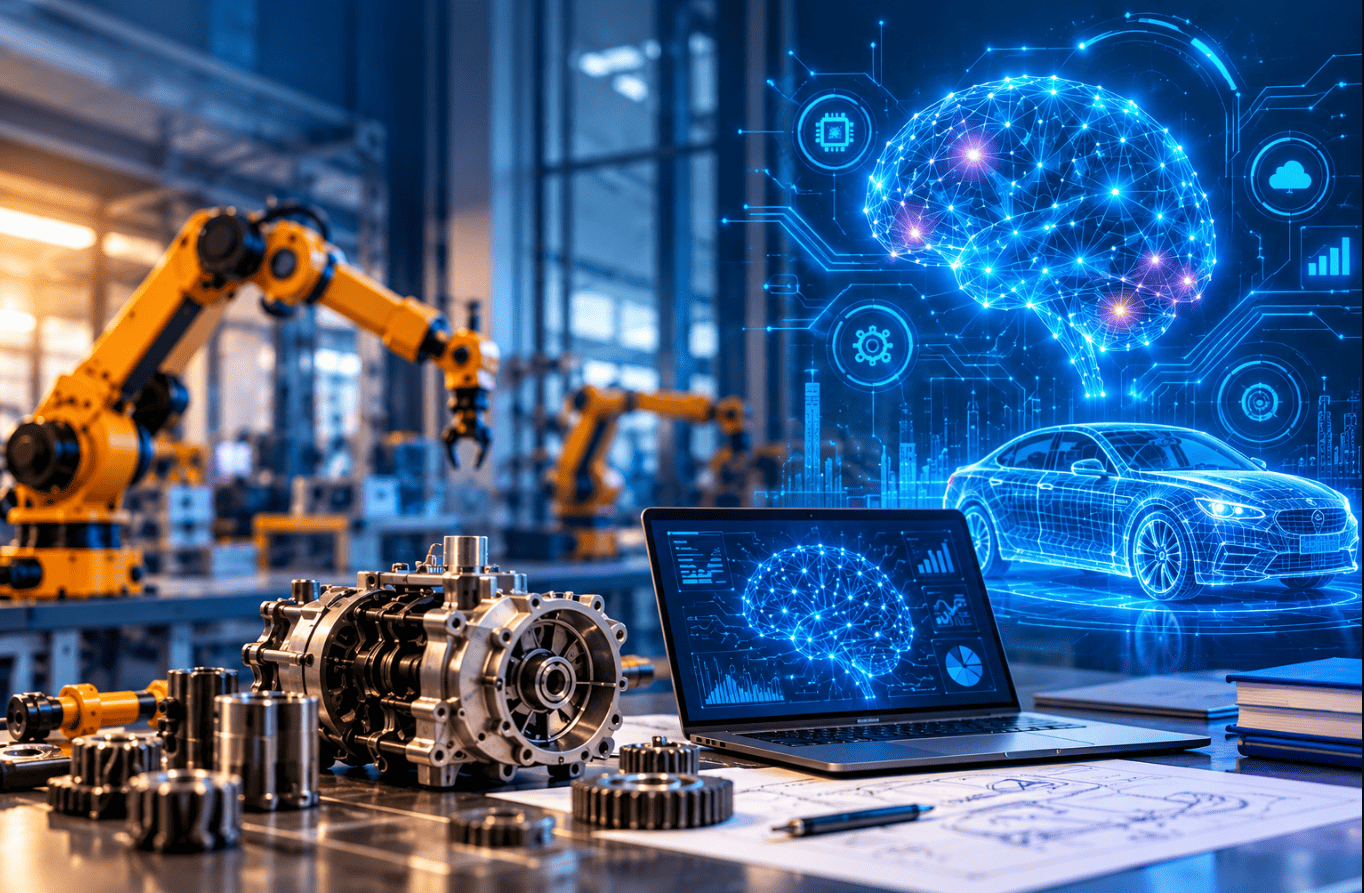
Modern industries are increasingly combining mechanical systems with electronics, automation, software, and intelligent technologies. From robotic production lines and automated manufacturing systems to smart machines and connected industrial equipment, mechatronics plays an important role in developing advanced engineering solutions.
A B.Tech. (Mechatronics Engineering) brings together concepts from mechanical engineering, electronics, electrical systems, programming, automation, robotics, sensors, control systems, and embedded technologies. This interdisciplinary approach helps students understand how different engineering components work together to create automated and intelligent machines.
With the increasing adoption of automation, robotics, Industry 4.0, and smart manufacturing, graduates can explore several career opportunities after B.Tech Mechatronics Engineering. Depending on their interests and technical skills, students can pursue B.Tech Mechatronics Engineering careers in manufacturing, robotics, automation, embedded systems, automotive engineering, industrial control, and other technology-driven sectors.
The scope of mechatronics engineering is not limited to traditional mechanical engineering. The combination of mechanical, electronic, and digital technologies allows graduates to explore diverse mechatronics engineering career options across industries.
| Did You Know?
Mechatronics combines mechanical systems, electronics, computing, sensors, and control technologies to develop smarter and more automated machines. |
What Career Roles Can B.Tech. (Mechatronics Engineering) Graduates Explore?
A mechatronics degree can prepare students for engineering roles involving the design, development, programming, testing, maintenance, and improvement of automated machines and systems.
Depending on their interests and technical skills, graduates can explore roles such as:
- Mechatronics Engineer
- Robotics Engineer
- Automation Engineer
- Embedded Systems Engineer
- Control Systems Engineer
- Industrial Automation Engineer
- Mechanical Design Engineer
- Production Engineer
- Manufacturing Engineer
- Robotics Programmer
- Automation Technician
- Systems Integration Engineer
These mechatronics engineer jobs can involve working with robotic systems, automated production lines, electronic controls, sensors, industrial machinery, embedded systems, and manufacturing technologies.
Popular Career Roles in Mechatronics
| Career Role | Key Responsibilities | Career Scope |
| Mechatronics Engineer | Designing and integrating mechanical, electronic, and control systems | Growing |
| Robotics Engineer | Developing, programming, and testing robotic systems | Growing |
| Automation Engineer | Designing and implementing automated processes | High |
| Embedded Systems Engineer | Developing hardware-software based embedded solutions | Growing |
| Control Systems Engineer | Developing and managing machine and process control systems | High |
| Mechanical Design Engineer | Designing mechanical components and systems | Growing |
| Production Engineer | Improving manufacturing processes and productivity | High |
| Industrial Automation Engineer | Implementing automation technologies in industrial environments | High |
The combination of mechanical and digital engineering knowledge can allow graduates to move between different technical domains as their careers develop.
Career Scope in Robotics, Automation, Manufacturing, and Embedded Systems
The scope of mechatronics engineering is expanding as industries adopt robotics, automation, connected machinery, and digital manufacturing technologies.
Mechatronics professionals can work at the intersection of mechanical engineering, electronics, software, and automation.
Robotics Engineering Careers
Robotics is an important career area for mechatronics graduates. Robotic systems require mechanical structures, motors, sensors, controllers, programming, and control systems to work together.
Graduates can explore:
- Robotics Engineer
- Robotics Programmer
- Robotics Integration Engineer
- Robotic Systems Developer
- Industrial Robotics Engineer
- Robotics Application Engineer
Automation Engineering
Automation engineering focuses on reducing manual intervention by using machines, controllers, sensors, software, and industrial equipment.
Career opportunities can include:
- Automation engineering jobs
- Industrial Automation Engineer
- PLC Programmer
- Automation System Engineer
- Process Automation Engineer
- Control Engineer
- Factory Automation Engineer
Knowledge of PLCs, control systems, sensors, actuators, and industrial communication can be useful for professionals working in this area.
Manufacturing Engineering
Mechatronics is closely connected with modern manufacturing. Automated production lines, robotic assembly, machine vision, automated inspection, and computer-controlled machines are increasingly used in manufacturing environments.
Graduates can explore manufacturing engineering careers in areas such as:
- Production systems
- Automated manufacturing
- Industrial robotics
- Process optimisation
- Quality automation
- Manufacturing systems
- Smart factories
Embedded Systems
Embedded systems combine hardware and software to perform specific functions within machines and products.
Graduates interested in electronics and programming can explore embedded systems jobs involving:
- Microcontrollers
- Sensors
- Actuators
- Embedded programming
- Hardware-software integration
- Automotive electronics
- Industrial control systems
Industrial Automation and Smart Factories
The growth of connected manufacturing is also creating smart factory jobs for engineers who understand automation, robotics, industrial IoT, data, and control systems.
Mechatronics graduates can therefore develop careers across robotics, automation, manufacturing, and embedded technologies.
|
Emerging Opportunities in AI, IoT, Autonomous Systems, and Smart Manufacturing
The evolution of engineering is moving towards increasingly intelligent and connected systems. Artificial intelligence, the Internet of Things, robotics, computer vision, and automation are changing how machines interact with their environments.
This development is creating opportunities in areas such as:
- AI in mechatronics
- Industrial IoT
- Autonomous systems
- Smart manufacturing
- Intelligent automation
- Digital manufacturing
- Cyber-physical systems
- AI-powered robotics
- Connected machines
AI and Mechatronics
The combination of artificial intelligence with mechanical and electronic systems can enable machines to analyse information and respond to changing conditions.
Graduates can develop skills related to AI in mechatronics, machine learning, computer vision, robotics, and intelligent control systems.
Potential roles include:
- AI Robotics Engineer
- Intelligent Automation Engineer
- Robotics Software Engineer
- Autonomous Systems Engineer
- Computer Vision Engineer
IoT and Connected Systems
The Internet of Things allows machines and devices to collect, exchange, and use information. In industrial environments, IoT can support equipment monitoring, predictive maintenance, production tracking, and process optimisation.
This creates opportunities for graduates interested in:
- Industrial IoT
- Connected manufacturing
- Sensor networks
- Machine monitoring
- Data-driven automation
- Smart systems
Autonomous Systems
Autonomous systems are designed to perform tasks with limited human intervention. They can be used in robotics, manufacturing, logistics, transportation, agriculture, and inspection.
Students interested in this field can explore autonomous systems engineer roles after developing relevant programming, robotics, control, and AI skills.
Industry 4.0 and Digital Manufacturing
Industry 4.0 focuses on connected and intelligent manufacturing technologies. Technologies such as industrial IoT, robotics, automation, data analytics, artificial intelligence, and cyber-physical systems are becoming important parts of modern production environments.
This is creating opportunities for smart manufacturing careers, Industry 4.0 jobs, and digital manufacturing roles.
| Emerging Technology | Potential Applications |
| Artificial Intelligence | Intelligent machines and automation |
| Industrial IoT | Connected industrial equipment |
| Autonomous Systems | Autonomous robots and machines |
| Computer Vision | Inspection and object recognition |
| Cyber-Physical Systems | Connected physical and digital systems |
| Smart Manufacturing | Data-driven automated production |
| Intelligent Automation | Adaptive industrial processes |
How Does B.Tech. (Mechatronics Engineering) Prepare Students for Industry?
Mechatronics is an interdisciplinary engineering field, so students are introduced to multiple areas rather than focusing only on one technical discipline.
A B.Tech. programme in this field can cover concepts related to:
- Mechanical engineering
- Electronics
- Electrical systems
- Programming
- Robotics
- Automation
- Sensors and actuators
- Control systems
- Embedded systems
- Manufacturing
- Industrial systems
This combination can help students understand how mechanical components, electronic systems, software, and control technologies work together.
Key Mechatronics Engineering Skills
| Skill Area | Key Competencies |
| Mechanical Systems | Machine components and mechanical design |
| Electronics | Sensors, circuits, and electronic systems |
| Programming | Programming fundamentals and automation applications |
| Robotics | Robot programming and system integration |
| Automation | Automated process development |
| Control Systems | Machine and process control |
| Embedded Systems | Hardware-software integration |
| Industrial Systems | Manufacturing and automation technologies |
Students can strengthen these skills through practical engineering education, engineering laboratories, projects, simulations, workshops, and internships.
An industry-oriented curriculum can also help students understand how engineering concepts are applied to real-world problems.
Developing Industry-Ready Engineers
Employers in technology-driven industries often look for professionals who can combine theoretical understanding with practical problem-solving skills.
Through project-based learning, students can work on engineering problems that require them to apply concepts from different disciplines. Engineering internships and industrial training can further expose students to workplace practices and professional engineering environments.
This combination of academics, projects, practical work, and industry exposure can help students develop into industry-ready engineers.
|
Higher Education and Certification Pathways after B.Tech. (Mechatronics Engineering)
A B.Tech. in Mechatronics Engineering can also serve as a foundation for higher education and professional specialisation.
Students can choose postgraduate education based on their career interests, such as robotics, automation, artificial intelligence, manufacturing, control systems, or management.
Higher Education Options
Students can consider:
- M.Tech. in Robotics
- M.Tech. in Mechatronics
- M.Tech. in Automation
- M.Tech. in Control Systems
- M.Tech. in Artificial Intelligence
- M.Tech. in Industrial Automation
- M.Tech. in Manufacturing
- MS in Robotics and Automation
- MS in Mechatronics
- MS in Intelligent Systems
Students interested in international education can also explore MS abroad after engineering, subject to university-specific eligibility requirements.
MBA after B.Tech. Mechatronics
Engineering graduates interested in management can also consider an MBA.
An MBA can help students move towards areas such as:
- Technology management
- Operations management
- Supply chain management
- Product management
- Manufacturing management
- Business development
- Entrepreneurship
Professional Certifications
Professional certifications can complement an engineering degree by helping students develop specialised technical skills.
Depending on their career goals, students can explore training or certifications in:
- PLC programming
- Industrial automation
- Robotics programming
- Embedded systems
- Industrial IoT
- CAD/CAM
- Control systems
- Artificial intelligence
- Machine learning
- Industry 4.0 technologies
Students interested in automation can explore PLC certification programmes and relevant industry training. Those interested in industrial technologies can also consider recognised vendor-specific training, including Siemens certification, where relevant.
An Industry 4.0 certification can complement knowledge of smart manufacturing, connected systems, automation, and digital technologies.
Research and Innovation Opportunities in Mechatronics Engineering
Mechatronics provides opportunities for students who are interested in engineering research and technological innovation.
Since the field combines several engineering disciplines, research can involve mechanical systems, electronics, robotics, automation, artificial intelligence, sensors, control technologies, and intelligent machines.
Students can explore areas such as:
- Mechatronics research
- Robotics research
- Automation innovation
- Engineering R&D
- Smart systems research
- AI and robotics
- Autonomous systems
- Industrial automation
- Embedded robotics
- Human-machine interaction
- Smart manufacturing
Areas of Mechatronics Innovation
| Research Area | Possible Applications |
| Robotics | Industrial and service robots |
| Automation | Automated manufacturing systems |
| AI and Robotics | Intelligent machines |
| Embedded Systems | Smart electronic devices |
| Control Systems | Automated machine control |
| Smart Manufacturing | Connected production environments |
| Autonomous Systems | Self-operating machines |
| Industrial IoT | Connected industrial equipment |
Students interested in engineering R&D careers can pursue postgraduate studies and research projects or explore R&D roles in technology and manufacturing organisations.
Research can also lead to opportunities in universities, research institutions, industrial R&D departments, technology companies, and innovation-focused organisations.
Global Career Scope for Mechatronics Engineers
Mechatronics is relevant to several global industries, particularly manufacturing, automotive, robotics, electronics, industrial automation, aerospace, logistics, and advanced engineering.
With suitable qualifications, technical skills, practical experience, and relevant professional requirements, graduates can explore international engineering careers and engineering jobs abroad.
Countries with established manufacturing and technology sectors can provide opportunities in areas such as:
- United States
- Germany
- Japan
- United Kingdom
- Canada
- Singapore
- Australia
Popular International Career Roles
- Mechatronics Engineer
- Robotics Engineer
- Automation Engineer
- Control Systems Engineer
- Manufacturing Engineer
- Embedded Systems Engineer
- Industrial Automation Engineer
- Mechanical Design Engineer
- Robotics Software Engineer
Global Career Opportunities
| Region | Potential Roles | Major Industries |
| USA | Robotics Engineer, Automation Engineer | Technology, Automotive, Manufacturing |
| Germany | Automation Engineer, Mechatronics Engineer | Manufacturing, Automotive |
| Japan | Robotics Engineer, Automation Specialist | Robotics, Electronics, Manufacturing |
| Singapore | Automation Engineer, Systems Engineer | Smart Manufacturing, Logistics |
| Canada | Mechatronics Engineer, Robotics Engineer | Technology, Manufacturing |
| Australia | Control Systems Engineer, Automation Engineer | Mining, Manufacturing, Infrastructure |
Professionals who gain relevant technical experience and specialised skills can explore global jobs for mechatronics engineers, robotics jobs overseas, and automation jobs abroad.
International opportunities can depend on qualifications, work experience, technical skills, language requirements, professional regulations, and work-visa conditions.
Entrepreneurship and Startup Opportunities in Mechatronics
A career in mechatronics does not necessarily have to follow a traditional employment path. Students with entrepreneurial interests can use their engineering knowledge to develop technology solutions for industrial and consumer applications.
Some potential mechatronics startups and business areas include:
- Industrial automation solutions
- Robotics systems
- Warehouse automation
- Agricultural robotics
- Educational robotics
- Smart manufacturing solutions
- Robotic inspection
- Embedded technology solutions
- Machine monitoring systems
- Custom automation solutions
Graduates can combine engineering knowledge with product development and business skills to explore automation business opportunities.
Potential Mechatronics Startup Ideas
| Startup Area | Possible Solution |
| Industrial Automation | Automated machinery and production solutions |
| Robotics | Custom robotic systems |
| Smart Manufacturing | Connected factory solutions |
| Agriculture | Automated agricultural machines |
| Warehouse Technology | Robotic material handling |
| Education | Robotics and automation learning systems |
| Inspection | Automated quality inspection |
| IoT | Industrial monitoring solutions |
The growth of Industry 4.0 and industrial automation can create opportunities for Industry 4.0 startups, smart technology startups, and engineering entrepreneurs.
| Did You Know?
Mechatronics can support entrepreneurship because a single solution may require mechanical design, electronics, sensors, programming, and automation-all areas connected through the discipline. |
Student Learning Experience in Mechatronics Engineering at LPU
The student experience at LPU for Mechatronics Engineering can include academic learning, practical projects, technical activities, workshops, competitions, and exposure to engineering technologies.
Students can work on areas such as:
- Robotics projects
- Automation systems
- Programming
- Embedded systems
- Control technologies
- Mechanical systems
- Electronics
- Industrial applications
- Smart manufacturing concepts
The Mechatronics Engineering at LPU learning environment focuses on connecting engineering concepts with practical applications. Students can develop their understanding through projects, laboratory activities, technical events, and hands-on learning.
The LPU engineering education ecosystem provides opportunities for students to explore different engineering disciplines and understand how they can be integrated into practical solutions.
Practical Learning at LPU
Students can develop technical understanding through:
- Engineering labs
- Practical assignments
- Technical projects
- Workshops
- Competitions
- Simulations
- Industry-oriented activities
- Project-based learning
The focus on project-based learning at LPU can help students apply classroom concepts to engineering problems and develop problem-solving abilities.
For students interested in robotics and automation, exposure to relevant engineering labs and technical projects can help them understand how sensors, controllers, mechanical components, electronics, and software work together.
LPU at a Glance – Industry-Oriented Learning Ecosystem
Lovely Professional University provides an engineering-focused learning environment that supports technical education, practical learning, innovation, research, and career development.
The LPU engineering programs ecosystem focuses on areas such as:
- Industry-oriented education
- Practical learning
- Technical projects
- Innovation
- Research opportunities
- Workshops
- Competitions
- Skill development
- Career preparation
For students interested in mechatronics, an interdisciplinary learning environment can help them develop knowledge across mechanical engineering, electronics, automation, robotics, and digital technologies.
The engineering infrastructure at LPU provides opportunities for students to work on practical applications and explore modern engineering technologies.
Industry-Oriented Learning
Mechatronics graduates may need to work across multiple engineering disciplines during their careers. Exposure to practical projects and interdisciplinary learning can therefore help students understand how different technologies interact in real-world applications.
The combination of academic learning, practical activities, technical projects, and skill development can help students prepare for careers in robotics, automation, manufacturing, embedded systems, and related engineering areas.
Industry Exposure, Practical Training, and Skill Development
Practical experience is important for students preparing for careers in mechatronics because the field involves the integration of multiple engineering systems.
Students can gain experience through:
- Engineering internships
- Industrial training
- Robotics projects
- Automation projects
- Technical competitions
- Engineering workshops
- Industrial visits
- Simulation exercises
- Project-based learning
- Practical laboratory activities
Important Skill Development Areas
| Skill Area | Key Competencies |
| Robotics | Robot programming and system integration |
| Automation | Automated process development |
| Control Systems | Machine and process control |
| Programming | Programming fundamentals |
| Embedded Systems | Hardware-software integration |
| Electronics | Sensors, actuators, and circuits |
| Mechanical Systems | Robotic mechanisms and machine components |
| Industrial Systems | Manufacturing and automation technologies |
| Problem Solving | Troubleshooting and system optimisation |
Through industrial training and skill development for engineers, students can build practical knowledge that complements their academic education.
Internships and live projects can also help students understand workplace expectations and the practical challenges involved in designing, operating, and maintaining engineering systems.
Building Practical Engineering Skills
A strong technical foundation can be further supported through hands-on practice. Students can use projects and laboratory activities to understand how theoretical concepts are applied to actual systems.
For example, a project involving an automated machine may require students to combine mechanical design, electronics, sensors, programming, and control systems.
This interdisciplinary approach reflects the nature of modern mechatronics engineering.
Future Trends and Career Growth in Mechatronics Engineering
The future of mechatronics engineering is closely connected with the growth of robotics, artificial intelligence, automation, Industrial IoT, smart manufacturing, autonomous systems, and digital technologies.
Some important smart manufacturing trends include:
- Collaborative robots
- Autonomous mobile robots
- AI-powered automation
- Smart factories
- Industrial IoT
- Computer vision
- Predictive maintenance
- Digital manufacturing
- Autonomous machines
- Human-robot collaboration
- Intelligent control systems
Industry 4.0 and Industry 5.0
Industry 4.0 focuses heavily on connectivity, automation, data, robotics, and intelligent manufacturing systems.
Industry 5.0 places greater emphasis on collaboration between humans and advanced technologies, with a focus on combining technological capabilities with human skills and creativity.
These developments can create new AI automation careers, smart manufacturing roles, and technology-driven engineering opportunities.
Future Career Areas
| Future Technology | Potential Applications |
| Collaborative Robotics | Human-robot collaboration |
| Autonomous Systems | Transportation, logistics, and inspection |
| Smart Manufacturing | Connected factories |
| Artificial Intelligence | Intelligent machines |
| Industrial IoT | Connected industrial equipment |
| Computer Vision | Automated inspection |
| Digital Manufacturing | Data-driven production |
| Predictive Maintenance | Monitoring industrial equipment |
The continued development of these technologies can create new future engineering jobs for professionals who understand mechanical systems, electronics, programming, automation, robotics, and intelligent technologies.
| Did You Know? Industry 5.0 focuses on greater collaboration between people and advanced technologies, complementing the automation and connectivity associated with Industry 4.0. |
The engineering career growth of a mechatronics professional can therefore involve moving from technical and operational roles into specialised engineering, project management, research, product development, or technology leadership roles.
Conclusion
A B.Tech. (Mechatronics Engineering) can open the door to diverse career opportunities across robotics, automation, manufacturing, embedded systems, control technologies, mechanical design, and smart manufacturing.
Graduates can explore roles such as Mechatronics Engineer, Robotics Engineer, Automation Engineer, Embedded Systems Engineer, Control Systems Engineer, Mechanical Design Engineer, Production Engineer, and Industrial Automation Engineer.
With additional skills and experience, professionals can move into specialised areas such as artificial intelligence, autonomous systems, Industrial IoT, intelligent automation, robotics research, and smart manufacturing.
The benefits of mechatronics engineering include its interdisciplinary nature and its connection with several emerging technology areas. Students can strengthen their career profiles through internships, engineering projects, certifications, higher education, research, practical training, and industry exposure.
For students interested in mechanical systems, electronics, programming, robotics, automation, and problem-solving, mechatronics can offer a dynamic engineering career path. As industries continue adopting connected and intelligent technologies, the mechatronics engineering future can provide opportunities for professionals who develop strong technical and practical skills.
Frequently Asked Questions (FAQs)
1. What are the career opportunities after B.Tech. Mechatronics Engineering?
Graduates can explore careers as Mechatronics Engineers, Robotics Engineers, Automation Engineers, Embedded Systems Engineers, Control Systems Engineers, Mechanical Design Engineers, Production Engineers, and Industrial Automation Engineers.
2. Is Mechatronics Engineering a good career option?
Yes. Mechatronics combines mechanical engineering, electronics, programming, automation, and control systems. These skills can be relevant to industries such as manufacturing, robotics, automotive, electronics, logistics, and smart technology.
3. What is the scope of Mechatronics Engineering in India?
The scope of mechatronics engineering in India is connected with the growing use of robotics, industrial automation, smart manufacturing, embedded systems, Industrial IoT, and Industry 4.0 technologies.
4. What skills are required for a career in Mechatronics?
Important skills include mechanical design, electronics, programming, robotics, automation, sensors, control systems, embedded systems, system integration, and problem-solving.
5. Can I pursue higher studies after B.Tech. Mechatronics Engineering?
Yes. Students can consider M.Tech., MS, or other postgraduate programmes in areas such as Mechatronics, Robotics, Automation, Artificial Intelligence, Control Systems, Manufacturing, and Intelligent Systems.



![Career Paths after B.Sc. Information Technology [Lateral Entry]](https://www.lpu.in/blog/wp-content/uploads/2026/01/Career-Paths-after-B.Sc_.-Information-Technology-Lateral-Entry-100x70.png "Career Paths After B.Sc. Information Technology [Lateral Entry]")