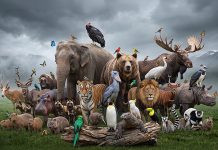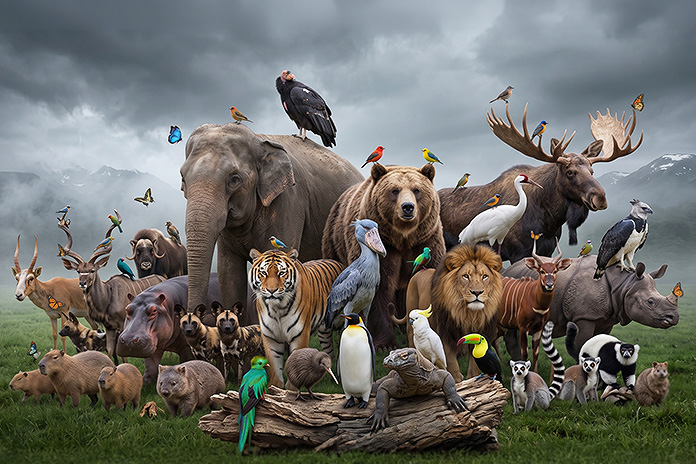
Earth is home to millions of species of plants, animals, fungi, and microorganisms that together form complex ecosystems essential for life. However, anthropogenic activities such as rapid industrialization, urbanization, deforestation, pollution, climate change, and illegal wildlife trade have placed unprecedented pressure on global biodiversity. According to recent estimates, thousands of species are threatened with extinction, and many ecosystems are experiencing severe degradation. In this context, Wildlife Conservation has emerged as one of the most important scientific and social responsibilities of our time, while also creating meaningful opportunities for students interested in Zoology and Careers in Zoology.
Wildlife conservation refers to the protection, preservation, and management of wild species and their habitats to ensure their survival for future generations. It aims to maintain ecological balance, conserve biodiversity, and promote sustainable interactions between humans and nature. Conservation efforts involve scientific research, habitat restoration, wildlife management, environmental education, policy development, and community participation. As environmental challenges continue to grow, the demand for skilled professionals capable of addressing these issues has increased significantly. One of the most relevant academic disciplines contributing to these efforts is Zoology. For students interested in Wildlife Biology, Animal Biology, and Ecology and Conservation, Zoology provides a strong foundation for understanding animals, ecosystems, and the complex relationships between species and their habitats.
Importance of Wildlife Conservation
Wildlife plays a crucial role in maintaining the health and stability of ecosystems. Every organism, whether large or small, contributes to ecological processes such as pollination, nutrient cycling, seed dispersal, decomposition, and population regulation. The loss of even a single species can trigger cascading effects throughout an ecosystem, ultimately affecting human societies as well.
Conservation is important for several reasons:
(a) Biodiversity supports ecosystem services that provide food, clean water, medicines, and raw materials. Many modern pharmaceuticals are derived from compounds originally discovered in plants and animals.
(b) Healthy ecosystems help regulate climate by storing carbon and maintaining environmental stability. Third, wildlife contributes significantly to economies through ecotourism, recreation, and sustainable resource use.
(c) Conservation has ethical value because every species has an intrinsic right to exist.
Together, these priorities make Biodiversity Conservation and Wildlife Protection essential parts of broader Environmental Conservation and sustainable Environmental Management.
Several success stories demonstrate the effectiveness of conservation efforts. Species such as the Bengal tiger, giant panda, and Indian rhinoceros have shown population recoveries due to dedicated conservation programs, habitat protection, and stricter anti-poaching measures. These examples highlight the positive impact of scientific research and environmental management.
The knowledge generated through zoological research forms the foundation of wildlife conservation. By studying animal populations, migration patterns, reproductive biology, disease dynamics, and habitat requirements, zoologists provide critical information needed for effective conservation planning. Modern zoology combines traditional field observations with advanced technologies such as molecular genetics, satellite tracking, geographic information systems (GIS), remote sensing, bioinformatics, and environmental DNA analysis. This combination of field science and technology has strengthened Wildlife Science and expanded the role of Wildlife Research in understanding species, habitats, and ecological change.
Zoologists contribute to wildlife conservation by monitoring endangered species, assessing habitat quality, evaluating the impacts of pollution and climate change, developing captive breeding programs, and advising policymakers on conservation strategies. Their work helps ensure that management decisions are based on scientific evidence. These activities also demonstrate the growing Scope of Zoology, particularly in areas such as Wildlife Management, Wildlife Ecology, Wildlife Studies, and Conservation Biology.
Career Opportunities in Zoology
A degree in Zoology offers diverse career opportunities across research, conservation, education, healthcare, and environmental management sectors. Students with a passion for animals and nature can pursue rewarding careers that combine scientific inquiry with practical conservation efforts. The range of Career opportunities in Zoology continues to expand as conservation organisations, research institutions, environmental agencies, and other sectors seek professionals with knowledge of animal science and environmental issues.
Wildlife Biologist
Wildlife biologists study animal populations and their interactions with ecosystems. They conduct field surveys, monitor species abundance, investigate behavioral patterns, and assess environmental threats. Their research supports conservation planning and habitat management programs. Students interested in How to become a Wildlife Biologist can begin by developing a strong foundation in Zoology, Wildlife Biology, field research, ecology, and conservation practices.
Zoologist
Professional zoologists investigate various aspects of animal biology, including anatomy, physiology, genetics, and evolution. They often work in universities, research institutes, museums, and government agencies. Their findings contribute to scientific knowledge and biodiversity conservation. A Zoology Career can therefore lead to roles in scientific research, education, animal studies, conservation organisations, museums, and government institutions.
Conservation Scientist
Conservation scientists develop and implement strategies for protecting endangered species and restoring degraded habitats. They collaborate with governments, non-governmental organizations (NGOs), and international agencies to address environmental challenges. A Conservation Scientist career is particularly relevant for those interested in Conservation Biology, Biodiversity Conservation, habitat restoration, and long-term Wildlife Conservation Careers.
Environmental Consultant
Environmental consultants assess the ecological impacts of development projects such as roads, dams, industries, and urban expansion. They recommend measures to minimize environmental damage and ensure compliance with environmental regulations. An Environmental Consultant career can provide Zoology graduates with an opportunity to apply their understanding of ecosystems and Wildlife Ecology to Environmental Management and sustainable development.
Zoo and Aquarium Professional
Modern zoos and aquariums play important roles in conservation, research, and public education. Zoologists working in these institutions are involved in animal care, breeding programs, behavioral studies, and conservation outreach activities. These roles are among the Zoology career options available to graduates interested in animal welfare, Wildlife Studies, captive management, conservation education, and public engagement.
Wildlife Educator and Science Communicator
Educators help increase public awareness about biodiversity and conservation issues. They work in schools, museums, nature centers, and conservation organizations, promoting environmental literacy and encouraging sustainable behaviors. Wildlife education careers are well suited to professionals who want to combine their knowledge of Zoology with communication, environmental awareness, and Wildlife Protection initiatives.
Research Scientist
Research scientists conduct specialized studies in fields such as animal behavior, conservation genetics, wildlife diseases, reproductive biology, and ecological modeling. Their work often contributes directly to solving conservation problems. For students interested in Wildlife research careers, Zoology degree career opportunities can include positions in universities, research institutions, government organisations, conservation agencies, and specialised laboratories.
Wildlife Photographer and Documentary Producer
For individuals interested in combining science and creativity, wildlife photography and documentary filmmaking provide opportunities to promote conservation awareness through visual storytelling. A Wildlife photography career or Wildlife documentary career can allow professionals to communicate the importance of Wildlife Conservation by documenting species, habitats, conservation efforts, and environmental challenges.
Future Prospects in Wildlife Conservation
The future of zoology is closely linked to emerging environmental challenges. Climate change, habitat fragmentation, invasive species, and pollution continue to threaten biodiversity worldwide. Consequently, there is growing demand for professionals with expertise in Conservation Biology, Wildlife Management, ecological restoration, and environmental policy. These developments are shaping the Future of Wildlife Conservation and creating new possibilities for students seeking a Career in Wildlife Conservation.
Emerging fields such as conservation genomics, wildlife forensics, ecological modeling, artificial intelligence in biodiversity monitoring, and environmental biotechnology are creating new career opportunities for zoologists. Governments, international conservation organizations, research institutions, environmental consultancies, and private industries increasingly require professionals capable of integrating scientific knowledge with sustainable management practices. As these fields evolve, Wildlife Management careers, Wildlife research careers, and Biodiversity conservation careers are becoming increasingly relevant for graduates who want to work at the intersection of science, ecology, and conservation.
The Scope of Zoology in India is also becoming broader, extending beyond traditional zoological roles into wildlife departments, conservation organisations, research institutions, environmental consultancies, education, and scientific communication.
For students exploring Wildlife Conservation after 12th, selecting relevant Zoology courses after 12th can provide the academic foundation needed to progress into areas such as Wildlife Biology, Wildlife Management, Conservation Biology, and Environmental Conservation. A suitable Zoology Course can also help students understand the academic and professional pathways available within the field.
For students who are fascinated by animals and passionate about protecting nature, a career in zoology provides not only professional fulfillment but also the opportunity to make a meaningful difference in the world. Whether students are considering a Zoology Career, Wildlife Conservation Careers, Wildlife Management careers, Wildlife research careers, or other Zoology career options, the field offers multiple pathways to combine scientific knowledge with meaningful environmental work.
By combining scientific expertise with conservation action, zoologists serve as vital guardians of Earth’s extraordinary biodiversity and help secure a healthier planet for future generations.