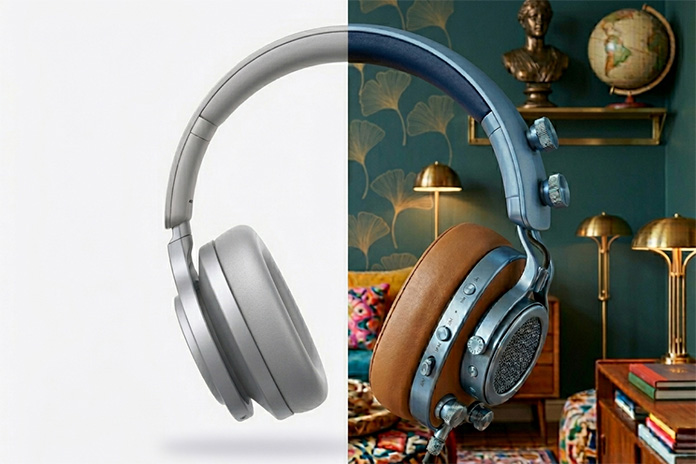
Less or More in Design?
When we look at any product, the first thing we notice is how it feels visually. Some designs feel clean, calm, and simple, while others feel bold, expressive, and full of personality. This is where minimalism vs maximalism becomes an important conversation in design.
Both styles are powerful. Minimalism removes what is unnecessary, while maximalism celebrates details, colours, and expression. In today’s world of changing product design trends, the real question is not which one is better it is which one works best for the product, audience, and purpose.
Minimalism: The Power of Simplicity
Minimalism is based on one clear idea: keep only what is needed. Clean lines, neutral colours, open space, and simple forms define this approach.
In modern design aesthetics, minimalism is often linked with clarity, elegance, and usability. It helps users understand the product quickly without confusion or distraction.
Minimalist design works well for products where function, speed, and ease of use matter most, such as digital apps, electronics, furniture, and lifestyle products. It also puts more focus on materials, finishing, and craftsmanship because every small detail becomes visible.
Maximalism: Design That Makes a Statement
Maximalism is the opposite in spirit. It uses bold colours, patterns, textures, layers, and expressive forms to create a strong visual identity.
In the world of visual design styles, maximalism stands out because it grabs attention and creates emotional impact. It is often used in fashion, lifestyle products, limited editions, interiors, packaging, and creative industries.
Maximalist design is not about adding random elements. Good maximalism still needs balance. It should feel expressive, not messy. When done well, it tells a story and helps users connect with the product emotionally.
Minimalism vs Maximalism: What Really Sets Them Apart?
A strong design styles comparison shows that the difference is not just visual it affects usability, production, branding, and customer perception.
Minimalism focuses on:
- Clarity
- Simplicity
- Functionality
- Scalability
- Universal appeal
Maximalism focuses on:
- Expression
- Personality
- Emotional connection
- Differentiation
- Uniqueness
Minimalism is usually easier to scale for mass products, while maximalism works better when a brand wants to stand out in a crowded market. Both have value; the right choice depends on the purpose of the design.
The Rise of Hybrid Design
One important addition to this discussion is hybrid design. Many modern products do not follow only minimalism or only maximalism. They combine both.
For example, a product may have a clean structure but use bold colour accents, interesting textures, or expressive packaging. This approach brings together the clarity of minimalism and the personality of maximalism.
This is becoming one of the most practical creative design trends, because users today want products that are easy to use but still feel unique and memorable.
What Do Users Actually Prefer?
User preference depends on lifestyle, culture, age, and context. Some users love minimalism because it feels calm, organized, and premium. Others prefer maximalism because it feels creative, personal, and energetic.
Minimalism often attracts people who value simplicity and order. Maximalism appeals to people who enjoy self-expression and bold identity.
This is why designers must understand the audience before choosing a style. A design may look beautiful, but if it does not connect with the user, it may fail.
Role of Sustainability in Design Choices
Another important point is sustainability. Minimalism often supports reduced material use, longer product life, and timeless design.
Maximalism is also evolving through upcycling, modularity, customization, and reuse of materials. This shows that both styles can support responsible design when used thoughtfully.
So, minimalism vs maximalism is not only about appearance it is also about how products are made, used, and valued over time.
Choosing the Right Design Approach
As a designer, the choice should not be based only on personal taste. It should depend on:
- Target audience
- Brand identity
- Product function
- Market positioning
- User experience
- Production feasibility
Minimalism works best when clarity, usability, and efficiency are priorities. Maximalism works best when storytelling, emotion, and brand differentiation are more important.
A good designer knows when to simplify and when to amplify.
Conclusion: It Is Not Less vs More, It Is About Balance
The debate around minimalism vs maximalism is not about choosing one forever. Both are useful design tools.
Minimalism gives clarity. Maximalism gives character. Together, they shape the future of product design trends, modern design aesthetics, and visual design styles.
In the end, great design is not about adding more or removing everything. It is about creating something that works well, feels meaningful, and leaves a lasting impression.