Overview of the B.Tech. (Mechatronics Engineering) Program at LPU
Modern engineering is moving beyond individual disciplines. Mechanical systems are increasingly integrated with electronics, robotics, programming, sensors, automation, and intelligent technologies. This evolution has created demand for engineers who can understand and work across multiple technical areas.
The B.Tech Mechatronics Engineering at LPU provides an interdisciplinary engineering learning environment where students can explore mechanical systems alongside electronics, automation, robotics, control systems, programming, and emerging technologies.
The LPU Mechatronics Engineering programme can be relevant for students interested in robotics, industrial automation, smart manufacturing, embedded systems, intelligent machines, and Industry 4.0 technologies.
The Mechatronics Engineering course combines theoretical concepts with practical learning, projects, laboratory activities, technical events, and opportunities to explore emerging engineering applications.
Whether students are interested in robotics, automation, manufacturing, embedded systems, or intelligent technologies, the Mechatronics Engineering program can provide a foundation for exploring different career pathways.
Program Snapshot
| Feature | Details |
| Program | B.Tech. (Mechatronics Engineering) |
| Core Focus | Mechanical Systems, Electronics, Automation, Robotics & Control |
| Learning Approach | Practical, Project-Based & Industry-Oriented |
| Emerging Areas | AI, IoT, Robotics, Smart Manufacturing & Industry 4.0 |
| Potential Career Areas | Robotics, Automation, Manufacturing, Embedded Systems & Engineering |
For students considering B.Tech Mechatronics admission, checking the latest programme eligibility, admission requirements, and applicable university guidelines is recommended.
|
Why Is LPU’s Mechatronics Engineering Curriculum Industry-Oriented and Future-Ready?
Technology-driven industries require engineers who can understand multiple systems and adapt to changing technologies. This makes an industry-oriented engineering curriculum particularly relevant for students entering fields such as robotics, automation, manufacturing, and smart technologies.
The Mechatronics Engineering curriculum can introduce students to fundamental engineering concepts while providing exposure to emerging areas connected with Industry 4.0 and intelligent systems.
Students can develop knowledge across areas such as:
- Mechanical engineering fundamentals
- Electronics
- Electrical systems
- Programming
- Robotics
- Automation
- Sensors and actuators
- Control systems
- Embedded systems
- Manufacturing technologies
- Industrial automation
- Intelligent technologies
A future-ready engineering education should help students understand fundamental concepts while also developing the ability to learn and adapt to new technologies.
Industry 4.0 Education
Industry 4.0 involves the integration of automation, robotics, IoT, data, software, sensors, and connected systems within industrial environments.
Exposure to these concepts can help students understand how modern manufacturing systems are becoming increasingly automated and connected.
The engineering curriculum at LPU can therefore provide students with an opportunity to connect classroom concepts with practical engineering applications.
|
Hands-on Learning Through Robotics, Automation, PLC, Embedded Systems, and Industrial Projects
Mechatronics is an application-oriented discipline, making practical learning an important part of engineering education.
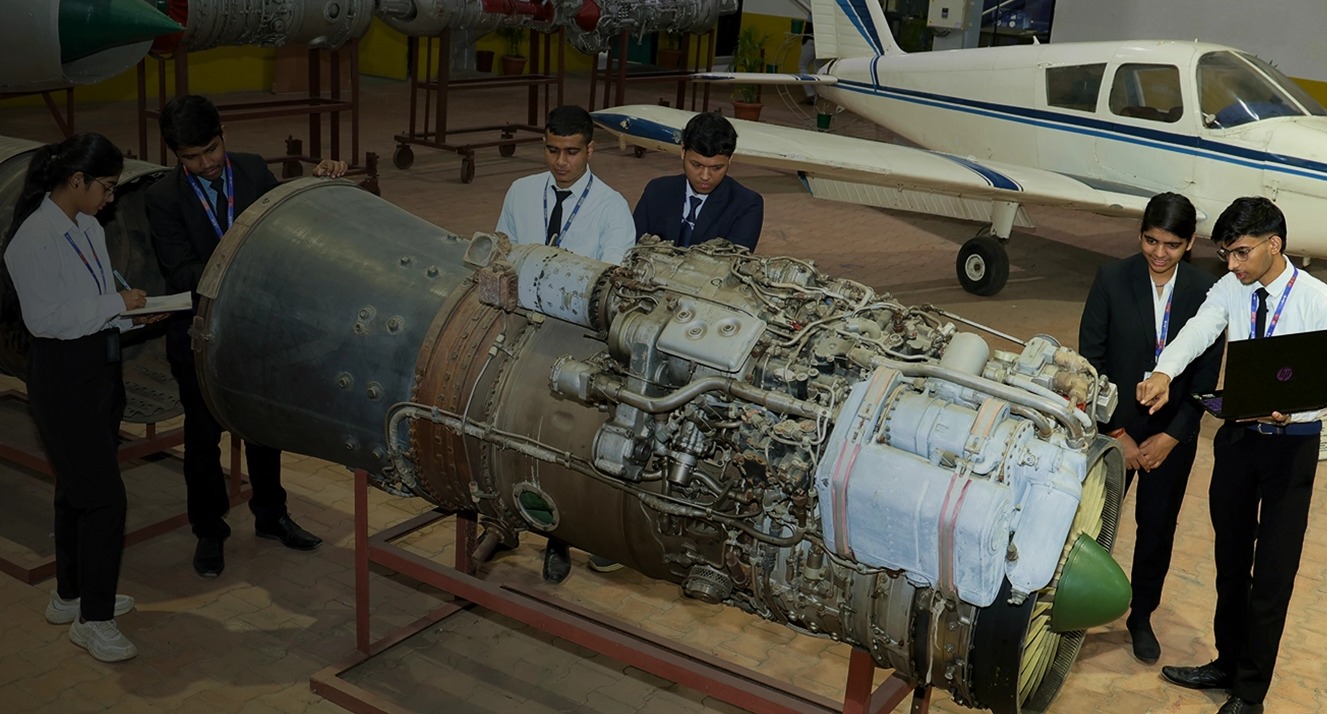
Students can strengthen their understanding through robotics training, engineering laboratories, projects, simulations, technical activities, and practical assignments.
Areas of hands-on learning can include:
- Robotics
- PLC programming
- Industrial automation
- Embedded systems
- Sensors and actuators
- Control systems
- Mechanical systems
- Electronics
- Programming
- Smart manufacturing
Practical Learning Areas
| Learning Area | Possible Student Exposure |
| Robotics | Robot programming and system integration |
| PLC Programming | Industrial control and automation |
| Embedded Systems | Hardware-software integration |
| Automation | Automated processes and industrial systems |
| Electronics | Sensors, circuits and electronic components |
| Mechanical Systems | Machine components and mechanisms |
| Control Systems | Machine and process control |
Practical engineering labs can allow students to experiment with concepts instead of relying only on theoretical learning.
Working on industrial projects can also help students understand how different components interact within a complete engineering system.
For example, an automation project may require mechanical design, sensors, programming, controllers, electronics, and system testing. Such activities can encourage students to approach engineering problems from multiple perspectives.
Role of Industry Mentorship and Corporate Exposure in Mechatronics Engineering Education
Engineering education becomes more relevant when students understand how technical concepts are applied in professional environments.
Industry mentorship and corporate exposure can introduce students to workplace expectations, current technologies, engineering practices, and real-world applications.
Students can gain exposure through activities such as:
- Industry expert sessions
- Guest lectures
- Technical workshops
- Engineering internships
- Industrial visits
- Live projects
- Industry-oriented training
- Interaction with industry experts
- Career-oriented activities
Such industry collaboration can help students understand the practical requirements of engineering roles.
From Classroom to Industry
A classroom project may focus on developing a technical solution, while an industrial environment may also require attention to cost, safety, reliability, maintenance, scalability, quality, teamwork, and deadlines.
Exposure to these considerations can help students develop a broader understanding of engineering career preparation.
Internships and live projects can further provide students with opportunities to observe professional engineering environments and understand how engineering teams approach practical challenges.
Student Experience at LPU: Learning Beyond Traditional Classrooms
The student life at LPU can provide opportunities to learn and experiment beyond regular classroom teaching.
For Mechatronics students, experiential learning can include technical clubs, engineering competitions, projects, workshops, innovation activities, and collaborative learning.
Students can participate in:
- Robotics clubs
- Engineering clubs
- Technical competitions
- Innovation challenges
- Robotics projects
- Hackathons
- Workshops
- Research activities
- Entrepreneurship initiatives
- Collaborative projects
Experiential Learning
Project-based learning can encourage students to apply concepts from different subjects to solve engineering problems.
For example, a robotics project could require students to combine mechanical components, electronics, programming, sensors, and control systems.
This type of collaborative learning can also help students develop communication, teamwork, problem-solving, and technical skills.
| Did You Know?
A single mechatronics project can involve several engineering disciplines at once, including mechanical design, electronics, programming, sensors, automation, and control systems. |
LPU at a Glance: Advanced Infrastructure, Innovation, and Engineering Ecosystem
A strong engineering environment requires facilities that support both theoretical learning and experimentation.
The LPU infrastructure provides an academic ecosystem focused on engineering education, practical learning, innovation, research, projects, and technical activities.
For students pursuing mechatronics, access to engineering facilities can support learning across multiple disciplines.
Infrastructure Highlights
| Facility/Resource | Learning Purpose |
| Engineering Laboratories | Practical engineering experimentation |
| Robotics Labs | Robotics and automation learning |
| Automation Facilities | Industrial automation concepts |
| Project Spaces | Collaborative engineering projects |
| Digital Learning Resources | Academic and technical learning |
| Innovation Ecosystem | Technology experimentation and projects |
| Research Facilities | Engineering research and innovation |
The engineering campus can provide students with opportunities to work on technical projects and explore the practical applications of engineering concepts.
The combination of modern engineering laboratories, project spaces, technical activities, and an innovation ecosystem can encourage students to move from learning concepts to applying them.
How Faculty Expertise Supports Learning in Robotics, Automation, and Intelligent Systems
Faculty members play an important role in helping students understand technical subjects and apply engineering principles to practical problems.
Faculty support can extend across:
- Classroom teaching
- Laboratory activities
- Project guidance
- Technical assignments
- Research projects
- Innovation activities
- Academic mentoring
- Skill development
Students can receive guidance in areas such as:
- Robotics
- Automation
- Mechanical systems
- Electronics
- Control systems
- Embedded technologies
- Intelligent systems
- Engineering design
- Research and innovation
Experienced engineering faculty can help students understand how different engineering disciplines connect with one another.
For students working on multidisciplinary projects, faculty mentorship can provide structured guidance while encouraging experimentation and problem-solving.
Research-driven teaching can also introduce students to emerging technologies and current engineering challenges.
LPUNEST – Gateway to a Career in Mechatronics Engineering
LPUNEST is LPU’s entrance and scholarship examination. For students planning to pursue eligible B.Tech. programmes, it can form part of the admission and scholarship process according to the applicable criteria.
Students interested in B.Tech admission at LPU should check the latest eligibility requirements, admission process, examination details, important dates, and scholarship conditions before applying.
LPUNEST at a Glance
- Entrance examination
- Scholarship opportunities
- Admission-related assessment
- Merit-based benefits as applicable
- Support for engineering aspirants
The LPUNEST scholarship can provide eligible students with opportunities for financial assistance according to the prevailing scholarship criteria.
The examination can therefore be an important part of the admission journey for students exploring LPU admissions for eligible engineering programmes.
Interdisciplinary Learning Across Robotics, AI, IoT, Embedded Systems, and Smart Manufacturing
One of the defining aspects of mechatronics is its interdisciplinary nature.
Modern machines increasingly combine mechanical components with electronics, software, sensors, connectivity, artificial intelligence, and automation.
This makes interdisciplinary engineering relevant for students preparing for technology-driven industries.
Students can explore areas such as:
- Robotics engineering
- AI in mechatronics
- IoT engineering
- Embedded systems
- Industrial automation
- Smart manufacturing
- Computer vision
- Intelligent automation
- Cyber-physical systems
- Industry 4.0 technologies
Connecting Different Technologies
| Technology | Application in Mechatronics |
| AI | Intelligent decision-making and automation |
| IoT | Connected machines and industrial monitoring |
| Robotics | Automated machines and robotic systems |
| Embedded Systems | Hardware-software integration |
| Computer Vision | Automated inspection and object recognition |
| Smart Manufacturing | Connected and automated production |
| Cyber-Physical Systems | Integration of digital and physical systems |
Exposure to multiple areas can help students understand how technologies interact and identify the fields that align with their career interests.
| Did You Know? A smart manufacturing system may combine robotics, IoT sensors, embedded controllers, software, data, and automation technologies within a single production environment. |
Innovation Culture, Robotics Competitions, Technical Events, and Research Opportunities at LPU
Innovation often begins with experimentation and problem-solving. Technical events and competitions can provide students with opportunities to apply their knowledge outside conventional academic assignments.
Students can participate in:
- Robotics competitions
- Hackathons
- Engineering competitions
- Technical events
- Innovation challenges
- Robotics projects
- Research projects
- Student innovation activities
- Robotics clubs
- Entrepreneurship initiatives
Innovation and Skill Development
| Activity | Skills Students Can Develop |
| Robotics Competitions | Robotics, teamwork and problem-solving |
| Hackathons | Creativity, technical development and collaboration |
| Engineering Projects | Design and system integration |
| Research Projects | Analysis and technical investigation |
| Technical Events | Communication and technical awareness |
| Innovation Challenges | Creative and solution-oriented thinking |
These activities can help students strengthen technical knowledge while also developing communication, teamwork, creativity, and project-management skills.
Research opportunities can further allow students interested in engineering R&D to explore areas such as robotics, automation, intelligent systems, embedded technologies, and smart manufacturing.
How the Campus Ecosystem Enhances Career Readiness in Mechatronics Engineering
Technical knowledge is an important part of an engineering career, but students also need communication, teamwork, adaptability, problem-solving, and professional skills.
The campus ecosystem can support career readiness through:
- Technical projects
- Engineering internships
- Industry interactions
- Workshops
- Career preparation
- Technical competitions
- Communication activities
- Professional skill development
- Placement preparation
Skills for Industry-Ready Engineers
| Skill Area | Importance |
| Technical Skills | Understanding engineering systems and technologies |
| Problem Solving | Identifying and addressing engineering challenges |
| Communication | Presenting ideas and working with teams |
| Teamwork | Collaborating on multidisciplinary projects |
| Adaptability | Learning emerging technologies |
| Project Skills | Managing technical tasks and deliverables |
| Professional Skills | Preparing for workplace environments |
Students can use internships and projects to build practical experience while developing employability skills.
The combination of technical education, practical exposure, industry interaction, and professional development can help students prepare for different engineering career opportunities.
Future Scope of Mechatronics Engineering in the Era of Smart Manufacturing and Industry 5.0
The future scope of Mechatronics Engineering is closely connected with the development of robotics, artificial intelligence, automation, IoT, smart manufacturing, autonomous systems, and connected technologies.
As industries continue to adopt intelligent machines and automated processes, professionals who understand multiple engineering disciplines can explore emerging career areas.
Important Future Trends
- Industry 5.0
- Smart manufacturing
- Collaborative robotics
- AI-powered automation
- Autonomous machines
- Industrial IoT
- Digital manufacturing
- Intelligent automation
- Computer vision
- Predictive maintenance
- Human-robot collaboration
Future Career Areas
| Technology | Potential Applications |
| Collaborative Robotics | Human-robot collaboration |
| AI Automation | Intelligent industrial processes |
| Smart Manufacturing | Connected production systems |
| Autonomous Systems | Autonomous machines and robots |
| Industrial IoT | Connected industrial equipment |
| Digital Manufacturing | Data-driven production |
| Computer Vision | Automated inspection |
| Intelligent Automation | Adaptive industrial processes |
Industry 5.0
Industry 5.0 focuses on closer collaboration between humans and advanced technologies. Rather than replacing human capabilities entirely, the approach emphasises combining human creativity and expertise with automation and intelligent machines.
|
|
The development of these technologies can create new robotics careers, automation careers, AI-related opportunities, and other engineering jobs of the future.
Students who continue developing their technical skills and remain adaptable to emerging technologies can explore different career directions as the field evolves.
Final Thoughts
The B.Tech. Mechatronics Engineering at LPU provides an interdisciplinary pathway for students interested in mechanical systems, electronics, robotics, automation, programming, embedded technologies, and intelligent systems.
The programme’s combination of academic learning, practical activities, projects, engineering laboratories, technical events, interdisciplinary exposure, and industry-oriented learning can help students understand how modern engineering systems are designed and integrated.
The benefits of Mechatronics Engineering include exposure to multiple technical disciplines and the opportunity to explore career areas ranging from robotics and automation to smart manufacturing, embedded systems, control technologies, and intelligent machines.
For students asking why choose Mechatronics Engineering, the interdisciplinary nature of the field is one of its key strengths. As industries continue adopting automation, robotics, AI, IoT, and connected manufacturing technologies, graduates can explore a variety of engineering career opportunities.
With continuous learning, practical experience, internships, projects, certifications, and specialised education, students can prepare themselves for the evolving Mechatronics Engineering future.
Frequently Asked Questions (FAQs)
- What is B.Tech. Mechatronics Engineering at LPU?
B.Tech. Mechatronics Engineering is an interdisciplinary engineering programme that combines areas such as mechanical systems, electronics, programming, robotics, automation, sensors, and control technologies.
- Why choose Mechatronics Engineering at LPU?
Students can explore interdisciplinary engineering concepts along with practical learning, projects, technical activities, engineering laboratories, innovation opportunities, and exposure to emerging technologies.
- Is Mechatronics Engineering a future-ready programme?
Mechatronics is connected with robotics, automation, AI, IoT, embedded systems, smart manufacturing, and Industry 4.0 technologies, making it relevant to several emerging engineering applications.
- Does Mechatronics Engineering include robotics?
Yes. Robotics is an important application area of mechatronics. Students can develop knowledge related to robotic systems, sensors, programming, mechanical components, electronics, and control systems.
- What practical learning opportunities are available in Mechatronics?
Students can gain practical exposure through engineering laboratories, robotics and automation activities, projects, workshops, simulations, technical competitions, internships, and project-based learning.