
- Why B.Sc. (Hons.) / (Hons. with Research) Biotechnology at LPU Stands Out
- What Makes LPU’s Biotechnology Program Different?
- Industry-Focused Curriculum Designed for Modern Biotechnology and Life Sciences
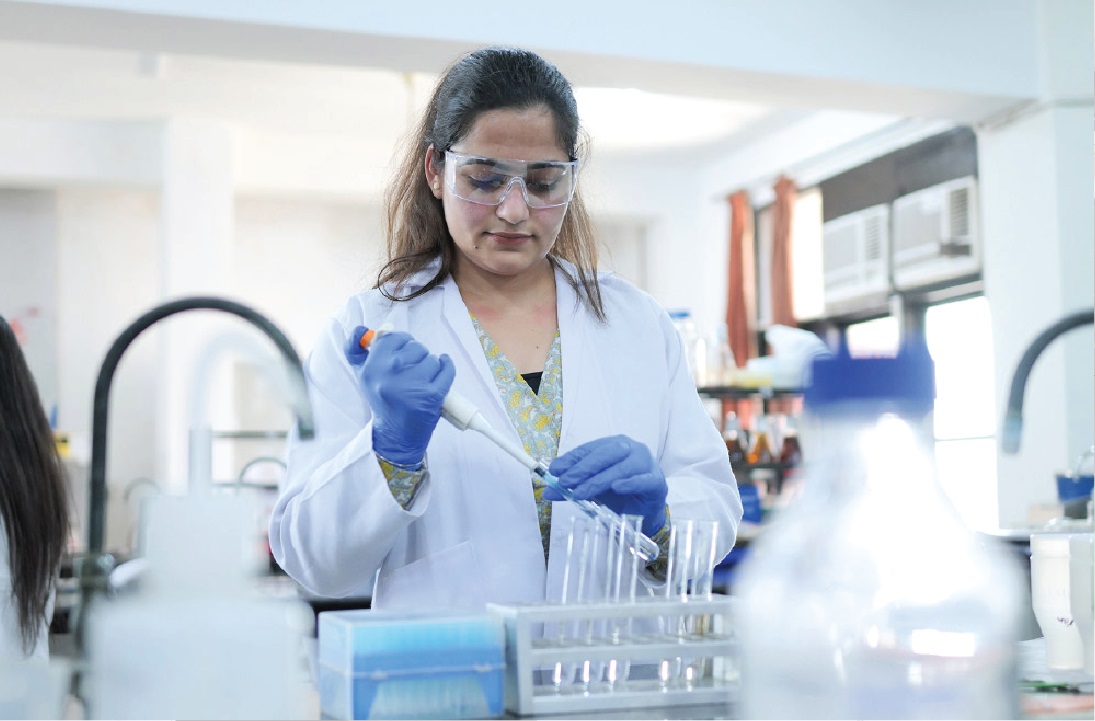
- Hands-on Learning Through Laboratory Experiments, Research Projects, and Practical Training
- Industry Exposure Through Internships, Research Collaborations, and Expert Sessions
- Student Experience at LPU: Learning Beyond the Classroom
- Modern Infrastructure, Biotechnology Labs, and Advanced Research Facilities
- Faculty Mentorship and Academic Support for Research and Career Development
- Admission and Scholarship Opportunities for B.Sc. (Hons.) / (Hons. with Research) Biotechnology at LPU
- Interdisciplinary Learning and Research-Based Education for a Competitive Advantage
- Innovation, Scientific Research, Entrepreneurship, and Startup Opportunities
- Placement Support and Career Readiness for Biotechnology Graduates
- Future Scope of Biotechnology Across Healthcare, Pharmaceuticals, Agriculture, and Research Industries
- Final Thoughts: Why B.Sc. (Hons.) / (Hons. with Research) Biotechnology at LPU Stands Out
- Frequently Asked Questions (FAQs)
Biotechnology is transforming healthcare, agriculture, pharmaceuticals, and environmental science by introducing innovative solutions to complex challenges. From genetic engineering and molecular diagnostics to drug development and sustainable farming, biotechnology continues to influence modern scientific research.
For students interested in biological sciences and laboratory experiments, pursuing B.Sc. (Hons.) / (Hons. with Research) Biotechnology at LPU can provide a strong foundation in scientific concepts, practical learning, and research-oriented education.
The LPU Biotechnology programme combines academic knowledge with laboratory-based learning and opportunities for professional development. Students searching for the best university for biotechnology should consider curriculum quality, research facilities, faculty mentorship, industry exposure, and career opportunities.
Why B.Sc. (Hons.) / (Hons. with Research) Biotechnology at LPU Stands Out
Biotechnology combines biology with modern technology to understand living organisms and develop useful applications across industries.
The BSc Hons Biotechnology at LPU introduces students to molecular biology, microbiology, genetics, biochemistry, and other important life sciences disciplines.
Students interested in BSc Biotechnology with Research can explore scientific investigation, experimental techniques, and research methodology as part of their academic development.
Programme at a Glance
| Feature | Details |
| Programme | B.Sc. (Hons.) / (Hons. with Research) Biotechnology |
| University | Lovely Professional University |
| Academic Focus | Biotechnology and Life Sciences |
| Core Subjects | Molecular Biology, Microbiology, Genetics, Biochemistry |
| Practical Learning | Laboratory Experiments and Research Projects |
| Emerging Areas | Bioinformatics, Genetic Engineering, Pharmaceutical Biotechnology |
| Career Fields | Healthcare, Pharmaceuticals, Agriculture, Research |
| Higher Studies | M.Sc. Biotechnology and Related Programmes |
The programme is relevant for students who enjoy biology, scientific experimentation, and exploring how biological discoveries solve real-world problems.
What Makes LPU’s Biotechnology Program Different?
Choosing a biotechnology degree involves understanding how classroom learning connects with scientific applications and professional requirements.
BSc Biotechnology at Lovely Professional University offers a multidisciplinary academic environment where students can develop biological knowledge and explore technological applications.
Practical Learning Approach
Biotechnology practical education helps students understand laboratory procedures, biological processes, and experimental methods.
Practical activities can strengthen observation, analytical thinking, and scientific problem-solving skills.
Research-Based Education
Research-oriented learning encourages students to investigate scientific questions, examine biological information, and understand experimental results.
Multidisciplinary Exposure
Biotechnology connects with agriculture, medicine, computer science, and environmental studies. LPU’s wider academic environment allows students to explore these connections.
These biotechnology course features can support academic development and preparation for advanced scientific education.
Industry-Focused Curriculum Designed for Modern Biotechnology and Life Sciences
A well-structured BSc Biotechnology syllabus combines fundamental biological sciences with modern scientific applications.
The biotechnology course curriculum generally includes molecular biology, microbiology, cell biology, genetics, biochemistry, and bioinformatics.
Important Academic Areas
| Subject | Learning Focus |
| Molecular Biology | DNA, RNA, and gene expression |
| Microbiology | Microorganisms and their applications |
| Biochemistry | Proteins, enzymes, and metabolism |
| Cell Biology | Cellular structures and functions |
| Genetic Engineering | Genetic modification and molecular techniques |
| Bioinformatics | Computational analysis of biological information |
| Pharmaceutical Biotechnology | Biological medicines and pharmaceutical applications |
| Immunology | Immune systems and biological responses |
Connecting Scientific Knowledge With Applications
Molecular biology contributes to genetic research, while microbiology supports applications in food production, pharmaceuticals, and environmental management.
Bioinformatics helps researchers analyse biological sequences and complex datasets.
Students should refer to LPU’s latest official curriculum to confirm the exact biotechnology subjects and practical components.
Did You Know?Biotechnology plays an important role in modern medicine. Recombinant DNA technology allows microorganisms to produce human insulin, demonstrating how biological research can contribute to healthcare. |
Hands-on Learning Through Laboratory Experiments, Research Projects, and Practical Training
Laboratory experience is essential in biotechnology because students need to understand how biological processes are examined through scientific experiments.
Biotechnology practical training helps students become familiar with experimental procedures, laboratory safety, scientific instruments, and biological sample analysis.
Important Laboratory Learning Areas
- Molecular biology practicals
- Microbiology lab training
- Biochemistry experiments
- Cell biology investigations
- Genetic engineering practicals
- Bioinformatics analysis
Examples of Biotechnology Projects
DNA Extraction: Understanding methods used to isolate genetic material from biological samples.
Microbial Growth Analysis: Studying how environmental conditions influence microorganisms.
Plant Tissue Culture: Exploring plant growth under controlled laboratory conditions.
Enzyme Activity: Investigating the effects of temperature and pH on biological reactions.
These examples of biotechnology research projects help students develop experimental reasoning, scientific documentation, and analytical abilities.
Industry Exposure Through Internships, Research Collaborations, and Expert Sessions
Industry exposure helps students understand how biotechnology is applied in professional environments.
Biotechnology internships can introduce learners to laboratory testing, pharmaceutical processes, quality control, and scientific documentation.
Internship Opportunities
Students may explore training opportunities in biotechnology companies, pharmaceutical organisations, research laboratories, and diagnostic centres, depending on availability and eligibility.
Research Collaborations
Research collaborations in biotechnology can introduce students to scientific investigations, experimental methods, and interdisciplinary projects.
Expert Lectures
Industry professionals and researchers can share insights into emerging technologies, research developments, and career expectations.
Such interactions help students understand life sciences industry training and the skills required in professional biotechnology environments.
Student Experience at LPU: Learning Beyond the Classroom
Campus life at LPU offers opportunities for students to participate in cultural activities, academic events, sports, and student communities.
For biotechnology students, these experiences can contribute to communication, teamwork, leadership, and personal development.
Academic Activities
Scientific presentations, discussions, and research-related activities can encourage students to explore biological concepts beyond textbooks.
Student Communities
Participation in student clubs and extracurricular activities at LPU allows learners to interact with students from different academic backgrounds.
Collaborative Learning
Biotechnology students can benefit from interacting with peers studying agriculture, computer science, and other scientific disciplines.
Such experiences encourage learning beyond the classroom and support broader skill development.
Modern Infrastructure, Biotechnology Labs, and Advanced Research Facilities
Biotechnology education requires laboratory resources that support experimentation, scientific observation, and practical understanding.
LPU’s life sciences learning environment provides a setting for laboratory-oriented academic activities.
Biotechnology Laboratory Facilities
Common laboratory areas relevant to biotechnology include molecular biology, microbiology, biochemistry, and cell biology.
These laboratories support the study of biological samples, cellular processes, and experimental techniques.
Important Laboratory Equipment
| Equipment | Scientific Application |
| Microscope | Examination of cells and microorganisms |
| Centrifuge | Separation of biological sample components |
| PCR Machine | DNA amplification |
| Spectrophotometer | Measurement of sample absorbance |
| Autoclave | Laboratory sterilisation |
| Gel Electrophoresis System | Separation of biological molecules |
The table illustrates equipment commonly used in biotechnology education. Students should confirm the specific facilities currently available in LPU biotechnology labs.
Faculty Mentorship and Academic Support for Research and Career Development
Faculty mentorship helps biotechnology students understand complex scientific concepts and develop confidence in practical learning.
Academic Guidance
Biotechnology faculty at LPU can support students in understanding molecular biology, genetics, microbiology, and related subjects.
Research Guidance
Faculty supervision can help students learn experimental planning, scientific literature review, data interpretation, and research documentation.
Career Development
Academic mentoring can assist students in exploring postgraduate education, research interests, and biotechnology career opportunities.
Faculty-led research projects, where available, may provide additional exposure to scientific investigation.
Admission and Scholarship Opportunities for B.Sc. (Hons.) / (Hons. with Research) Biotechnology at LPU
Students interested in biotechnology after Class 12th should review the admission eligibility, programme requirements, and scholarship opportunities.
Admission Process
Applicants planning for BSc Biotechnology admission 2027 should check:
- Class 12 subject requirements and minimum marks
- Application and registration procedure
- Applicable entrance examination requirements
- Scholarship eligibility
- Programme fees and admission deadlines
LPUNEST Scholarships
LPUNEST is associated with admission and scholarship opportunities for applicable LPU programmes.
Eligible students may receive scholarship benefits according to examination performance and university policies.
The exact BSc Biotechnology fees at LPU and scholarship conditions should be verified through the official LPU website.
Interdisciplinary Learning and Research-Based Education for a Competitive Advantage
Modern biotechnology increasingly connects with artificial intelligence, data science, chemistry, and computational biology.
Interdisciplinary biotechnology education helps students understand how different scientific fields contribute to research and innovation.
Important Skill Areas
| Skill Area | Application |
| Bioinformatics | Biological sequence analysis |
| Computational Biology | Modelling biological systems |
| Biotechnology and AI | Protein structure prediction |
| Biostatistics | Scientific data interpretation |
| Genetic Engineering | Molecular research |
| Biotechnology and Data Science | Genomic data analysis |
Emerging Technologies
Artificial intelligence can assist researchers in analysing biological information and investigating complex molecular structures.
Bioinformatics education introduces computational approaches used in genomics and biological research.
These skills can support students interested in specialised scientific careers and postgraduate studies.
Did You Know?Artificial intelligence is advancing biological research. AI-based tools such as AlphaFold help predict protein structures, supporting investigations into molecular interactions and biological functions. |
Innovation, Scientific Research, Entrepreneurship, and Startup Opportunities
Biotechnology innovation creates possibilities for developing products and services in healthcare, agriculture, pharmaceuticals, and environmental management.
Emerging Research Areas
Drug Discovery: Investigating biological targets and potential therapeutic compounds.
Genetic Engineering: Studying genetic material and molecular modification techniques.
Agricultural Biotechnology: Exploring crop improvement and beneficial microorganisms.
Environmental Biotechnology: Investigating biological approaches to pollution control and waste treatment.
Biotechnology Startup Opportunities
Students interested in biotech entrepreneurship may explore ideas involving biofertilisers, diagnostic technologies, industrial enzymes, biological waste treatment, and bioinformatics services.
LPU’s broader innovation environment can be relevant to students interested in scientific entrepreneurship.
Developing biotechnology products commercially generally requires scientific validation, regulatory compliance, and specialised resources.
Placement Support and Career Readiness for Biotechnology Graduates
Biotechnology graduates can explore professional opportunities across pharmaceuticals, research laboratories, healthcare, food processing, and agricultural biotechnology.
LPU’s broader placement-support initiatives can help students prepare for recruitment through career-development activities.
Important Career Preparation Areas
Technical Knowledge: Understanding biotechnology concepts and laboratory methods.
Practical Skills: Developing experience through experiments and scientific projects.
Research Experience: Learning scientific investigation and data interpretation.
Professional Skills: Strengthening communication, teamwork, and interview preparation.
Potential Career Opportunities
| Career Role | Industry |
| Laboratory Analyst | Testing and Diagnostic Laboratories |
| Quality Control Trainee | Pharmaceuticals |
| Research Assistant | Scientific Research |
| Microbiology Laboratory Trainee | Healthcare and Food Industries |
| Bioprocessing Trainee | Biotechnology Manufacturing |
| Bioinformatics Trainee | Computational Biology |
Some specialised biotechnology jobs after graduation require additional qualifications or professional experience.
Students should review verified BSc Biotechnology placement information at LPU for programme-specific recruitment outcomes.
Future Scope of Biotechnology Across Healthcare, Pharmaceuticals, Agriculture, and Research Industries
The future of biotechnology is connected with scientific developments in medicine, agriculture, environmental sustainability, and industrial manufacturing.
Biotechnology Applications Across Industries
| Industry | Applications |
| Healthcare | Molecular diagnostics and biomedical research |
| Pharmaceuticals | Vaccines and biological medicines |
| Agriculture | Crop improvement and microbial products |
| Food Industry | Fermentation and quality testing |
| Environmental Science | Bioremediation and waste treatment |
| Industrial Biotechnology | Enzyme production and biological processing |
| Bioinformatics | Genomic and protein analysis |
Emerging Career Areas
Medical Biotechnology: Exploring biological approaches to disease research and diagnostics.
Pharmaceutical Biotechnology: Supporting the development and production of biological medicines.
Agricultural Biotechnology: Studying plant improvement and sustainable agricultural practices.
Industrial Biotechnology: Using microorganisms and enzymes in manufacturing processes.
The scope of biotechnology in India extends across established life sciences industries and emerging scientific specialisations.
Did You Know?Microorganisms support sustainable industrial processes. Certain bacteria and fungi produce enzymes used in food processing, detergents, and other manufacturing applications, demonstrating the industrial importance of biotechnology. |
Final Thoughts
Choosing a biotechnology programme involves evaluating academic interests, curriculum relevance, practical facilities, research opportunities, and career goals.
B.Sc. (Hons.) / (Hons. with Research) Biotechnology provides an academic pathway for students interested in molecular biology, genetics, microbiology, scientific research, and modern biotechnology applications.
The university’s multidisciplinary environment offers opportunities for academic learning, practical skill development, and broader student engagement.
Students interested in biotechnology careers should compare the latest curriculum, laboratory resources, research pathways, scholarship opportunities, and verified placement information before making their decision.
With consistent learning and scientific skill development, biotechnology graduates can prepare for higher education and opportunities across diverse life sciences industries.
Frequently Asked Questions (FAQs)
1. What is B.Sc. (Hons.) Biotechnology at LPU?
It is an undergraduate programme focused on biotechnology and biological sciences, including molecular biology, microbiology, genetics, and biochemistry.
2. What is the difference between B.Sc. (Hons.) and B.Sc. (Hons. with Research) Biotechnology?
The research pathway generally includes additional emphasis on research methodology and independent scientific investigation, subject to the approved curriculum.
3. What is the eligibility for B.Sc. Biotechnology at LPU?
Applicants generally require a relevant Class 12 science qualification. Exact subject and percentage requirements should be checked through official admission information.
4. Does LPU provide biotechnology laboratory training?
Biotechnology education involves laboratory-oriented learning. Students should confirm the specific laboratories, equipment, and practical components available.
5. What are the career options after B.Sc. Biotechnology?
Graduates may explore laboratory testing, quality control, research assistance, biotechnology manufacturing, and related entry-level positions.