
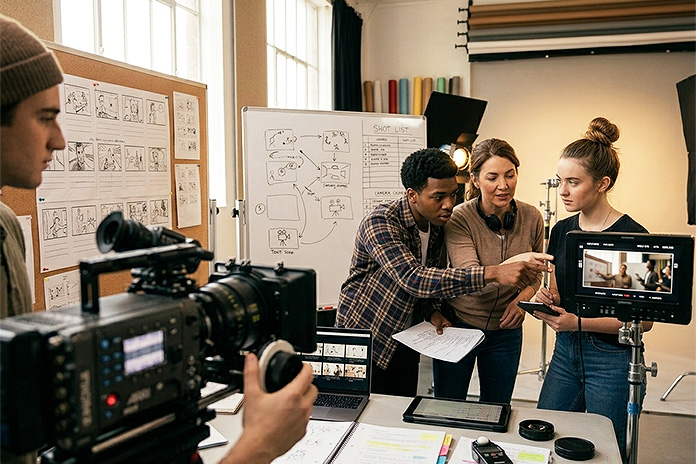
Storytelling has been part of human civilization since the dawn of time. Stories can inspire, educate, entertain and connect people across cultures and generations, from old folk stories and stage productions to today’s films and digital content. Today’s media environment is more visual, more dynamic, more tech-savvy than ever before. Cinema, OTT platforms, advertising, social media and digital entertainment are booming and creating huge demand for talented storytellers. And this is the role of film schools, which have an important role to play in developing the story-tellers of the future.
Role of film schools in shaping future storytellers, why film schools are important for aspiring filmmakers
Film schools are not just a place to learn how to work with the cameras or edit footage. These are creative areas where creative thinking and technological processes come together, where concepts become visual narratives, where aspiring filmmakers are taught to articulate sentiments and perspectives through the language of cinema. Film and Television schools offer students the opportunity to combine technical skills with creative expression, so they become confident and flexible media professionals.
(benefits of studying in a film school, film education for future media professionals)
One of the best things film schools can offer is a concentration on the fundamentals of narrative. Every great film starts with a good story and every filmmaker has to learn the craft of storytelling. Students will be taught to script writing, narrative structure, character development, screenplay formatting, writing dialogue and visual storytelling. They learn to write stories that are compelling, that resonate with audiences at an emotional level and that reflect social, cultural and personal realities.
Film education also tends to make pupils take a more critical view of the world around them. Through debate, study of films, assignments and creative activities students learn how cinema can influence society and public opinion. By encouraging them to explore a range of topics, viewpoints and genres, they will be able to find their own creative voice and style of storytelling. The method is significant to educate and develop filmmakers who are not only technically skilled but also aware of society and compassionate storytellers. Another positive aspect of film schools is that you learn by doing hands-on practicals. Filmmaking is an experiential, collaborative artform that cannot be learnt by theory alone. Students need to be able to work on real projects and gain hands-on experience in the many facets of film production. In film schools, students get this experience through short films, documentaries, advertising, music videos, studio exercises and live production projects.
How film schools help students become filmmakers, advantages of attending a film school
Hands-on productions give students an opportunity to see how a professional film set works firsthand. They know the roles of the many departments such as director, cinematography, editing, sound design, production design and lighting. Group projects can cultivate important skills, such as communication, collaboration, problem solving, time management and flexibility. These tasks equips students with the taste of the reality of the film and media industry.
Film school students also have access to studio facilities and professional equipment to develop their technical skills. Today, filmmaking is a very technological business and aspiring filmmakers need to understand the production tools and procedures used in the industry. Students gain hands-on skills and confidence for their future jobs in classes that use professional cameras, lighting equipment, editing software, sound studios, chroma setups and production facilities.
Professional filmmaking courses for students, film production education and career opportunities
Schools of cinema also give students exposure to many types of cinematic expression, as well as technical skills. They learn about the history of film, international cinema, methods of editing, visual aesthetics and traditions of storytelling in different cultures. This wider vision enables pupils to view film as an art form and to experience creative play with it. Introducing children to different cinematic styles encourages creative thinking and inspires them to develop their own visual storytelling.
Another important aspect of learning about cinema is mentorship. Film school students benefit from the opportunity to be taught by veteran teachers, filmmakers, editors, cinematographers, writers and industry specialists. The guidance of the mentor is an addition to the creative powers of the student, his strengths and difficulties of the learning process. Guest lectures, seminars, masterclasses, film screenings and industry encounters further enrich the students’ educational experience. These activities also expose students to current trends, new technology and professional practices in business. And they provide a link between academic learning and the real world of entertainment.
Storytelling has left the four walls of traditional cinema and entered the digital age. OTT platforms, YouTube, Podcasts, social media content, virtual production and digital marketing have changed the scope of filmmaking radically. Today’s storytellers have a smorgasbord of platforms and tastes to contend with. That’s why film schools are so important, to prepare students for the future in this changing media landscape, to educate them about current forms of narrative and digital production processes.
(best film school programs for storytelling)
We ask students to produce content across platforms, including short form videos, documentaries, sponsored content, web series, social media campaigns, etc. This flexibility is very important because today’s media practitioners need to be dexterous not only technically but also creatively. Film schools are training their students in multi-skilled professionals, able to work in all the sectors of the media business.
(film school training for creative careers)
The other important function of film schools is careers development. The majority of students attending film schools aspire to become directors or actors. In their education, kids are taught about the numerous opportunities available in the entertainment and media sectors. Today, in the creative economy, jobs in the field of cinematography, editing, screenwriting, sound designing, colorists, visual effects, production design, production management, photography, advertising and digital content creation have gained much importance. Students acquire knowledge of creating professional portfolio and showreels that reflect their skills and creativity at film schools. They further develop their industry readiness by participation in industry internships, competition, film festivals and group projects. Moreover, students have a chance to network and create useful professional connections that may be useful for their professions in the future.
Film education for future media professionals, film production education and career opportunities
The most important thing film schools give you is confidence and creative identity. Many new filmmakers enter film school with much skill and enthusiasm but little direction and no avenues for exposure. Through continued learning, experimentation, collaboration and mentorship, students become storytellers who can articulate ideas effectively and with intention. They learn not only to tell audio-visual stories but why stories are important to the society. The future of film, television and digital media will be shaped by the aspiring filmmakers who are able to convey insightful responsible and engaging tales. Film education is of more significance in this era where culture, opinion and global opinions are driven by visual contents. Film schools are creative centers where students learn to innovate, collaborate and connect with stories. Institutions such as Lovely Professional University’s department of Film and TV Production play an important role in this creative ecosystem by fostering the emerging talent and training students for the fast evolving world of media and entertainment. Through the blend of aesthetic and technical guidance, industry knowledge and hands-on practical classes, they are training the storytellers of the future of digital communication and film.