
Imagine you are navigating an unfamiliar city with an old, physical map. You turn a corner, expecting to see a bustling historic square, but instead, you find yourself staring at a dead end or a construction site.
What do you do? Do you get angry at the street for existing? Do you stand there insisting the concrete must be wrong because your map says otherwise? Of course not. You fold the map, look around, and adapt.
Yet, when it comes to our opinions, beliefs, and intellectual arguments, we do the exact opposite. We stand at the dead end, screaming at the wall, desperate to prove that our map is flawless. We treat being wrong not as a miscalculation, but as an existential threat.
As a soft skills trainer, I spend my days watching how people communicate, collaborate, and grow. And if there is one silent killer of potential I see repeated across classrooms, boardrooms, and campus squares, it is this: the desperate, exhausting need to always be right.
This constant need often comes from a lack of intellectual humility and limited self-awareness. When we fail to recognize our own limitations, we create barriers to personal growth and meaningful learning experiences.
The Heavy Price of an Inflated Ego
Why are we so hooked on being right? It feels good. It gives us a quick hit of dopamine. Being right makes us feel safe, smart, and in control. But this intellectual safety is an illusion, and it comes at a staggering cost.
When your primary goal in any conversation or project is to protect your status as the “smartest person in the room,” your ego takes the driver’s seat. The ego doesn’t care about truth; it only cares about survival.
When we prioritize being right over being accurate, we stop listening. We don’t listen to understand; we listen to reply, looking for gaps in the other person’s argument so we can tear it down. We become defensive, rigid, and isolated.
This is where emotional intelligence becomes essential. Developing emotional intelligence skills helps individuals recognize their reactions, manage their emotions, and communicate more effectively with others.
The Paradox of the Know-It-All: The more desperate you are to look smart, the less room you leave to actually become smarter.
The psychology behind always being right often reveals how ego prevents learning. When protecting our identity becomes more important than discovering the truth, we limit our ability to develop critical thinking and embrace new perspectives.
The Death of Curiosity
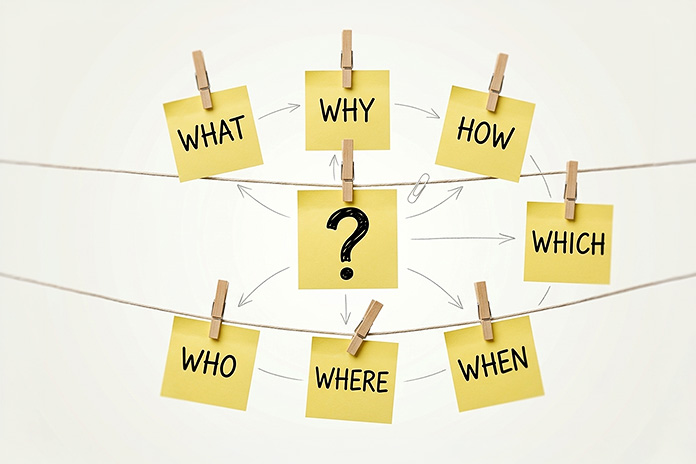
Think back to when you were five years old. The world was a relentless series of questions: Why is the sky blue? Where do birds sleep? How does the toaster know when to pop? You weren’t embarrassed that you didn’t know the answers; the not-knowing was the exciting part. It was the invitation to explore.
What happens to that magic?
Somewhere along the line, usually around the time we start getting graded, society teaches us a dangerous lie: “Value equals knowing.” We begin to internalize the idea that ignorance is a weakness. As a result, curiosity is slowly suffocated by the fear of looking foolish.
This fear can prevent lifelong learning and stop people from developing a true learning mindset. The ability to ask questions, explore ideas, and challenge assumptions is what drives intellectual growth.
When you lose your curiosity, you lose your competitive edge. In a rapidly changing world, the most valuable skill isn’t what you already know; it’s how fast you can unlearn and adapt.
A strong growth mindset allows individuals to see challenges as opportunities rather than threats. If you are always right, you are stuck in a time capsule of your past knowledge. You stop asking questions, you stop experimenting, and intellectually, you stop growing.
Flipping the Switch: From “Being Right” to “Getting it Right”
How do we break out of this trap? It requires a fundamental shift in mindset. We have to move from a desire to be right to a commitment to get it right.
This shift changes everything. When your goal is to get it right, you suddenly view other people not as adversaries to defeat, but as collaborators who might hold a piece of the puzzle you are missing.
This approach strengthens adaptability skills and encourages continuous learning, which are essential qualities in today’s fast-changing world.
Here are three simple practices to help you make the switch:
- Fall in love with “I don’t know.” These three words are incredibly liberating. Saying them doesn’t make you look weak; it makes you look secure. It signals to everyone around you that you value truth over posturing.
Admitting uncertainty is one of the most powerful examples of why admitting you don’t know is powerful. It creates space for self-improvement and deeper understanding.
- Audit your reactions. The next time someone disagrees with you in a meeting or a group project, notice your immediate physical reaction. Does your chest tighten? Do you interrupt? Catch yourself, take a breath, and ask a curious question instead: “Interesting, tell me more about how you arrived at that conclusion?”
This practice improves active listening, helps you learn from disagreements, and strengthens leadership communication skills.
- Treat opinions as software, not statues. Software gets updated constantly to fix bugs and adapt to new environments. Don’t let your beliefs become rigid statues. Allow new data, new experiences, and new conversations to update your mental software.
Being open to change is a key part of being open-minded and developing the ability to overcome the fear of being wrong.
The Ultimate Soft Skill
At the end of the day, intelligence isn’t measured by how many answers you have memorized. True intellectual brilliance lies in your capacity to remain open, fluid, and fiercely curious about the world around you.
The ability to question yourself, accept feedback, and reflect on your experiences is central to self-reflection and professional growth mindset.
The next time you find yourself digging your heels into an argument, pause and ask yourself: Am I defending this point because I genuinely believe it’s true, or am I just afraid of the discomfort of being wrong?
Let go of the heavy anchor of always needing to be right. It’s a lonely, exhausting place to stand. Instead, choose the lighter, far more exciting path of curiosity.
A commitment to curiosity strengthens problem-solving abilities, encourages innovation, and supports long-term learning and development.
Remember, why curiosity matters in life is simple: curiosity keeps us growing, adapting, and discovering new possibilities.
And if you see me around campus, stop me and tell me about a time you were completely—and beautifully—wrong. I’d love to hear your story!