
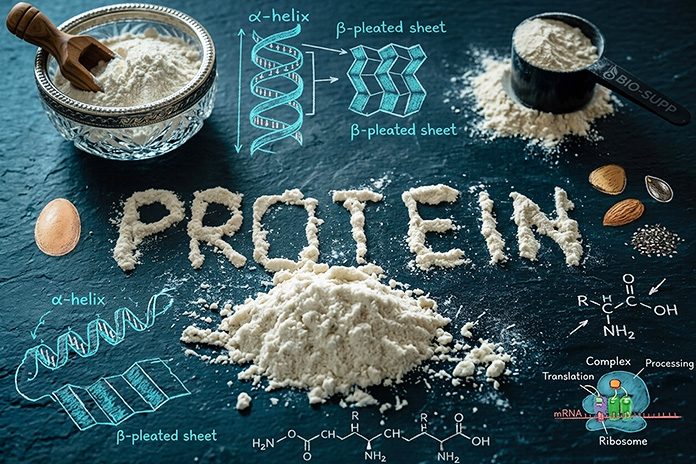
The next revolution in food may not be about eating less-it may be about eating differently.”
For generations, the answer to the question, “Where do you get your protein?” has been surprisingly simple. In India, it was often paneer for vegetarians and chicken for non-vegetarians. Add a bowl of dal, some milk, or eggs, and the protein conversation seemed complete.
But something remarkable is happening. Walk through a supermarket today, and you’ll find protein-rich oat milk, soy-based nuggets, pea protein snacks, mushroom burgers, fermented protein drinks, and even products made from microorganisms. Around the world, scientists are developing meat without raising animals and creating proteins through fermentation rather than farming. What once sounded like science fiction is slowly becoming part of our food system.
Welcome to the protein revolution-an era that is redefining not just what we eat, but also how protein sources are produced, their environmental impact, and their role in supporting human health. This new generation of protein innovation is shaping the future of food through advances in food science, food innovation, and modern food technology.
Why Is the World Suddenly Talking About Protein?
Protein is much more than a nutrient for bodybuilders. Every cell in our body depends on it. It builds muscles, repairs tissues, supports immunity, produces hormones and enzymes, and even helps transport oxygen in the blood. Good protein nutrition is essential throughout every stage of life, making protein for health one of the biggest priorities in nutrition science today.
At the same time, the global demand for protein-rich foods is growing rapidly. As populations increase and incomes rise, more people seek high-protein foods that support healthier lifestyles. According to international projections, the world will need substantially more protein over the coming decades to feed a population approaching 10 billion people.
The challenge is clear: Can we increase protein production without exhausting the planet’s natural resources? This question has sparked one of the biggest innovations in food science and sustainable nutrition.
Looking Beyond the Familiar
Paneer and chicken are nutritious foods and will continue to remain important in many diets. The new protein era is not about replacing them, but about expanding our choices through alternative proteins and sustainable protein sources.
Imagine having access to proteins that:
- require less water and land to produce,
- generate fewer greenhouse gas emissions,
- offer comparable nutritional value,
- and can be customized for specific health needs.
This is where protein alternatives come into the picture.
What are alternative proteins? They are proteins obtained from sources other than conventional livestock production. These include plant-based protein, proteins produced through fermentation, algae, fungi, insects (in some countries), and even cultivated meat grown directly from animal cells.
Instead of asking, “Which protein is best?”, scientists are now asking a more meaningful question:
“How can we produce high-quality, sustainable protein more efficiently?”
The Protein Revolution Is Already on Your Plate
Many people believe alternative protein foods belong to the future, but they’re already part of everyday life. Soy chunks have been consumed in Indian households for decades. Tofu is increasingly replacing paneer in many recipes. Oat milk, almond milk, and pea protein beverages are becoming common in supermarkets.
High-protein breakfast cereals, nutrition bars, and functional foods enriched with protein are now available for children, athletes, and older adults alike. These protein-rich foods for daily diet are making it easier than ever for consumers to increase their protein intake.
The biggest change is not that these foods exist.
The biggest change is how rapidly they are improving.
Ten years ago, many plant-based protein products struggled with poor taste or texture. Today’s products are remarkably different because researchers have made significant progress in protein technology and nutrition innovation.
The Science Behind Better Protein
This new generation of protein isn’t simply about discovering new protein sources. It’s about engineering better food experiences using cutting-edge food innovation.
Researchers now use advanced technologies to improve protein functionality without compromising nutrition.
For example:
- High-moisture extrusion rearranges plant proteins into long, fibrous structures that resemble meat.
- Fermentation enhances flavour, digestibility, and nutritional quality while reducing unwanted tastes.
- Novel processing methods improve protein solubility and functionality.
- Precision fermentation uses carefully selected microorganisms to produce high-quality proteins efficiently.
If you’ve ever wondered what is precision fermentation, it is a technology where microbes such as yeast or fungi are programmed to produce specific proteins, making production faster, more sustainable, and highly efficient.
Similarly, many people ask how fermentation creates protein. Fermentation allows microorganisms to naturally produce proteins while enhancing flavour, texture, and digestibility.
These technologies may sound complex, but their purpose is simple: create delicious, nutritious, and healthy protein sources that consumers actually enjoy eating.
Beyond Nutrition: The Sustainability Story
Food production affects far more than our dinner plates. Agriculture consumes enormous amounts of land and water while contributing significantly to greenhouse gas emissions.
This is why sustainable protein has become one of the biggest priorities in global food systems.
Many plant-based protein sources generally require fewer natural resources than conventional livestock production. Fermentation-based protein production can occur in controlled facilities with a much smaller environmental footprint.
Scientists are also exploring alternative food sources by converting agricultural by-products into valuable protein ingredients, supporting both food sustainability and circular economy practices.
In short, tomorrow’s sustainable food may help feed more people while protecting natural resources.
But Are Alternative Proteins Actually Healthy?
One of the most common consumer questions is:
“Are these proteins as nutritious as traditional ones?”
The answer depends on the product.
Some plant-based protein ingredients naturally contain all essential amino acids, while others become nutritionally complete when combined with complementary foods-something Indian diets have practiced for centuries through cereals and pulses.
Modern protein technology has significantly improved digestibility, amino acid balance, and bioavailability.
However, not every product marketed as “high protein” is automatically healthy.
Consumers should continue reading ingredient labels, checking nutritional quality, and choosing minimally processed healthy protein sources whenever possible.
The future of protein should not be judged solely by quantity but by its overall nutritional value.
What Does This Mean for India?
The future of protein in India presents tremendous opportunities.
Our traditional diets already include numerous protein sources, including lentils, chickpeas, soybeans, dairy products, peas, beans, fermented foods, and millets.
Rather than replacing these traditions, food innovation can enhance them.
Imagine:
- Protein-enriched chapati flour
- Better-tasting millet-based high-protein vegetarian foods
- Dairy alternatives for lactose-intolerant consumers
- Affordable protein-rich foods for daily diet
- Upcycled agricultural by-products converted into valuable protein ingredients
These innovations support sustainable nutrition, strengthen rural economies, reduce food waste, and create exciting opportunities for India’s growing protein industry.
The Protein Plate of Tomorrow
The future isn’t likely to be a battle between paneer and plant protein or chicken versus cultivated meat.
Instead, tomorrow’s dinner plate may combine multiple protein sources to improve nutrition, affordability, taste, and sustainability.
Some meals may include paneer.
Others may include tofu.
Some may feature proteins created through fermentation.
Others may include cultivated meat.
If you’re wondering what cultivated meat is, it refers to meat grown directly from animal cells in controlled environments without raising or slaughtering animals. It aims to provide familiar meat while reducing environmental impact.
Consumers may not even notice the transition because the goal isn’t to create strange foods.
The goal is to create better food.
The Bottom Line
The protein revolution isn’t happening only inside research laboratories anymore.
It is transforming supermarkets, restaurants, startups, universities, and our own kitchens.
Paneer and chicken will always remain valuable protein sources, but they no longer represent the complete picture.
The future belongs to alternative proteins, sustainable protein production, and continuous protein innovation in food science.
The future is about choice rather than replacement.
Innovation rather than disruption.
And sustainable food without compromising taste or nutrition.
As next-generation food technologies continue evolving, the question is no longer:
“What is protein?”
The more exciting question becomes:
“What could protein become?”
The next time someone asks, “Where do you get your protein?”, the answer may go far beyond paneer or chicken. It may include best plant-based protein sources, healthy alternatives to chicken, fermentation-derived proteins, or even cultivated meat-showing how science, sustainability, and innovation are redefining the future of food.