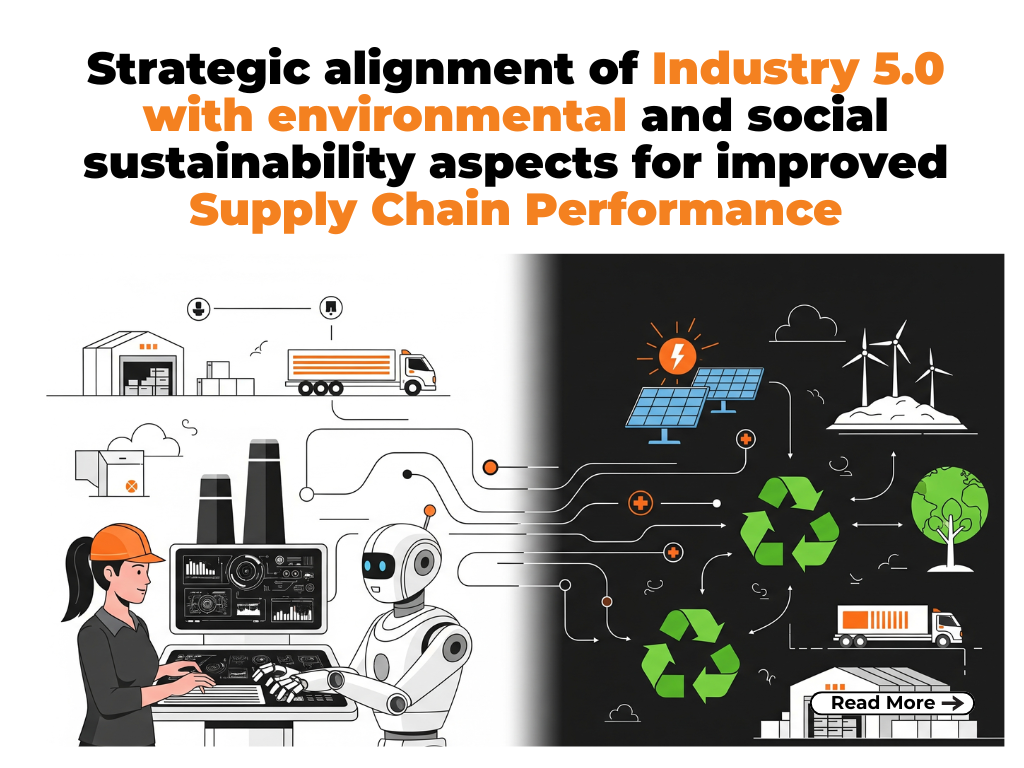
The rapid growth of robotics, automation, artificial intelligence, smart manufacturing, and intelligent systems is changing the way industries operate. From automated production lines and autonomous machines to warehouse robotics and smart factories, organizations are increasingly adopting advanced technologies to improve productivity, efficiency, and precision.
To prepare students for this evolving technological landscape, Lovely Professional University (LPU) offers the B.Tech. (Robotics and Automation) program. The program focuses on combining engineering fundamentals with robotics, automation, intelligent systems, programming, control systems, and emerging technologies.
With practical learning, project-based education, industry exposure, innovation opportunities, and interdisciplinary learning, the robotics engineering program at LPU aims to help students develop the technical and problem-solving skills required for modern engineering careers.
Program Snapshot
| Feature | Details |
| Program Name | B.Tech. (Robotics and Automation) |
| Core Focus | Robotics, Automation, Intelligent Systems & Engineering |
| Learning Approach | Practical, Project-Based & Industry-Oriented Learning |
| Key Areas | Robotics, Automation, AI, IoT, Embedded Systems & Control Systems |
| Career Scope | Robotics Engineer, Automation Engineer, Control Systems Engineer, Robotics Software Engineer |
Why Is LPU’s Robotics and Automation Curriculum Industry-Oriented and Future-Ready?
The B.Tech. Robotics and Automation curriculum at LPU is designed to help students understand both fundamental engineering concepts and emerging technologies influencing modern industries.
As businesses increasingly adopt Industry 4.0 technologies, engineers need knowledge that goes beyond traditional engineering concepts. Students are therefore encouraged to explore areas related to robotics, automation, intelligent machines, embedded systems, programming, and connected technologies.
Students can gain exposure to areas such as:
- Robotics and robot programming
- Automation and control systems
- Artificial Intelligence and Machine Learning
- Embedded systems
- Internet of Things (IoT)
- Sensors and actuators
- Computer vision
- Industrial automation
- Intelligent systems
- Smart manufacturing technologies
This Industry 4.0 curriculum helps students understand how engineering principles are applied to develop automated and intelligent solutions.
Did You Know?Industry 4.0 is driving the adoption of connected machines, automation, data-driven systems, and intelligent technologies across manufacturing and other industries. |
Hands-on Learning Through Robotics Labs, Automation Systems, and Smart Manufacturing Projects
One of the important aspects of a robotics and automation course is the ability to move from theoretical concepts to practical implementation.
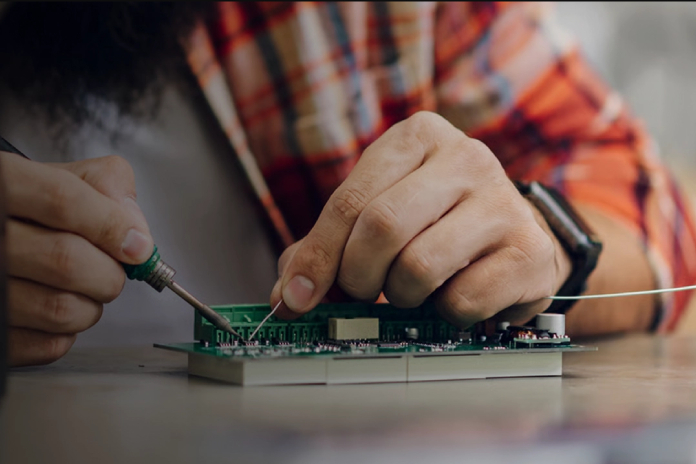
At LPU, students can engage in practical activities, projects, laboratory work, simulations, and technology-based experimentation. Such experiences help them understand how robots and automated systems are designed, programmed, controlled, and tested.
Students can gain practical exposure through:
- Robotics laboratories
- Automation systems
- Robot programming
- Embedded systems projects
- IoT-based solutions
- Sensor-based applications
- Control systems
- Simulation activities
- Smart manufacturing projects
Hands-on Learning Areas
| Learning Area | Student Exposure |
| Robotics | Robot design, programming and applications |
| Automation | Automated systems and industrial applications |
| Embedded Systems | Microcontrollers and hardware-based solutions |
| IoT | Connected devices and smart systems |
| Control Systems | Monitoring and controlling automated processes |
| AI & Intelligent Systems | Intelligent decision-making and automation |
This robotics practical learning approach allows students to experiment, troubleshoot problems, and develop solutions instead of relying only on classroom theory.
Role of Industry Mentorship and Corporate Exposure in Robotics and Automation Education
The robotics and automation industry continues to evolve with the introduction of new technologies, tools, and industrial practices. Exposure to professionals and real-world applications can therefore complement classroom learning.
LPU encourages students to gain industry exposure through expert interactions, workshops, internships, projects, and industry-oriented activities.
Students may get opportunities to participate in:
- Expert lectures
- Technical workshops
- Industry interactions
- Internship opportunities
- Live and practical projects
- Industrial training
- Technology-focused learning activities
Such industry mentorship in robotics can help students understand workplace expectations and gain a better understanding of how robotics and automation technologies are used in professional environments.
Student Experience at LPU: Learning Beyond Traditional Classrooms
The student life at LPU provides opportunities to learn beyond conventional classroom teaching. Engineering students can participate in technical activities, competitions, innovation challenges, projects, clubs, and collaborative learning initiatives.
For students pursuing robotics, these activities can provide additional opportunities to apply their knowledge and work with peers from different disciplines.
Students can engage in:
- Robotics competitions
- Engineering hackathons
- Technical challenges
- Innovation projects
- Research activities
- Coding and programming activities
- Entrepreneurship initiatives
- Collaborative engineering projects
These experiences can help students develop important skills such as teamwork, communication, creativity, leadership, and problem-solving.
Did You Know?Participating in robotics competitions and engineering hackathons can help students build practical portfolios while developing their ability to solve technical problems creatively. |
LPU at a Glance: Infrastructure, Innovation, and Academic Ecosystem
Infrastructure plays an important role in engineering education, particularly for disciplines that require experimentation and practical implementation.
LPU provides an engineering-focused academic ecosystem with laboratories, learning resources, technology-enabled classrooms, and facilities that support practical education and innovation.
Infrastructure Highlights
| Facility | Purpose |
| Robotics Labs | Robotics experimentation and practical learning |
| Automation Labs | Understanding automated systems and applications |
| Engineering Labs | Practical implementation of engineering concepts |
| Smart Classrooms | Technology-enabled academic learning |
| Innovation Facilities | Projects, experimentation and innovation |
| Digital Resources | Academic and technical learning |
The LPU engineering campus provides students with opportunities to explore technologies beyond their prescribed coursework and work on practical engineering ideas.
How Faculty Expertise Supports Learning in Robotics, Automation, and Intelligent Systems
Faculty members play an important role in helping engineering students understand complex concepts and apply them to practical situations.
At LPU, faculty members guide students through classroom learning, laboratory activities, projects, research work, and technical assignments.
Faculty support can include:
- Technical guidance
- Project supervision
- Research assistance
- Practical demonstrations
- Industry-oriented teaching
- Skill development activities
- Academic mentoring
For students pursuing robotics and automation, guidance from robotics mentors can be particularly useful when working on multidisciplinary projects involving mechanical systems, electronics, programming, control systems, and intelligent technologies.
LPUNEST – Gateway to a Career in Robotics and Automation
LPUNEST is LPU’s entrance and scholarship examination that provides students with an opportunity to seek admission and become eligible for scholarship benefits based on applicable criteria.
For students interested in robotics engineering admission, LPUNEST can be an important part of their admission journey.
Key aspects include:
- Entrance examination
- Scholarship opportunities
- Merit-based benefits
- Admission support
- Opportunities for engineering aspirants
Students planning to pursue a B.Tech. in Robotics and Automation should check the latest eligibility, admission requirements, examination details, and scholarship criteria through LPU’s official admission information before applying.
Interdisciplinary Learning Opportunities Across Robotics, AI, IoT, and Embedded Systems
Modern robots and automated systems are not built using a single technology. They combine multiple engineering and technology domains.
For example, an intelligent robotic system may require mechanical components, sensors, embedded controllers, programming, communication technologies, artificial intelligence, and automation.
This makes interdisciplinary engineering an important part of robotics education.
Students can explore areas such as:
- Robotics and AI
- Artificial Intelligence
- Machine Learning
- Internet of Things
- Embedded Systems
- Computer Vision
- Automation
- Control Systems
- Intelligent Systems
- Mechatronics
This combination helps students understand how different technologies work together to create intelligent and automated solutions.
Innovation Culture, Robotics Competitions, Hackathons, and Research Opportunities at LPU
Innovation is an important part of engineering education. Students need opportunities to experiment with ideas, develop prototypes, identify problems, and create technology-based solutions.
LPU encourages students to participate in activities that can support innovation and technical development.
Innovation Opportunities
| Activity | Student Benefits |
| Robotics Competitions | Practical engineering experience |
| Hackathons | Problem-solving and teamwork |
| Research Projects | Technical and research development |
| Innovation Challenges | Creative thinking and experimentation |
| Industry Challenges | Exposure to real-world problems |
| Technical Projects | Portfolio and practical experience |
Such opportunities can contribute to a strong robotics student experience and encourage students to transform theoretical concepts into practical solutions.
Did You Know?Robotics technologies are being explored across industries including manufacturing, automotive, healthcare, agriculture, logistics, aerospace, and smart infrastructure. |
How the Campus Ecosystem Enhances Career Readiness in Robotics and Automation
A successful career in robotics and automation requires more than technical knowledge. Engineers also need communication skills, teamwork, problem-solving abilities, project experience, and professional awareness.
LPU’s career-focused ecosystem encourages students to develop these complementary skills through academic projects, industry interaction, training, and placement preparation.
Career development activities may include:
- Resume-building guidance
- Mock interviews
- Communication training
- Industry interaction
- Internship guidance
- Technical skill development
- Placement preparation
These initiatives can help students improve their employability skills and prepare for opportunities in technology-driven industries.
Students interested in robotics can explore career paths such as:
- Robotics Engineer
- Automation Engineer
- Robotics Software Engineer
- Control Systems Engineer
- Embedded Systems Engineer
- Industrial Automation Engineer
- IoT Engineer
- Robotics Researcher
Future Scope of Robotics and Automation in the Era of Industry 4.0
The future of robotics is closely connected with the growth of automation, artificial intelligence, IoT, smart manufacturing, and digital transformation.
Industries are increasingly exploring automated systems to improve productivity, accuracy, safety, and operational efficiency. As this adoption continues, professionals who understand robotics and automation may find opportunities across several technology-driven sectors.
Potential areas include:
- Smart manufacturing
- Industrial automation
- Autonomous systems
- Robotics software
- Healthcare robotics
- Automotive technologies
- Agricultural automation
- Logistics and warehouse automation
- Aerospace and defence technologies
- Intelligent infrastructure
Career Opportunities
Graduates can explore roles such as:
- Robotics Engineer
- Automation Engineer
- Control Systems Engineer
- Robotics Software Engineer
- Embedded Systems Engineer
- Industrial Automation Specialist
- IoT Engineer
- Robotics Researcher
- Systems Engineer
- Intelligent Automation Engineer
As Industry 4.0 continues to influence manufacturing and other sectors, knowledge of robotics, automation, connected systems, and intelligent technologies can become increasingly valuable.
Final Thoughts
The B.Tech. (Robotics and Automation) at LPU provides students with an opportunity to study a technology-driven engineering field that combines robotics, automation, intelligent systems, embedded technologies, IoT, and other emerging areas.
The focus on practical learning, robotics labs, industry exposure, interdisciplinary education, innovation activities, projects, and career preparation can help students build a foundation for the evolving robotics industry.
For students interested in building a future in robotics engineering, automation, smart manufacturing, intelligent machines, or related technology fields, LPU provides an academic environment where they can develop technical knowledge while gaining practical and industry-oriented experience.
Frequently Asked Questions (FAQs)
Q1. What is B.Tech. (Robotics and Automation) at LPU?
B.Tech. (Robotics and Automation) is an engineering program focused on robotics, automation, intelligent systems, control technologies, embedded systems, and related emerging technologies.
Q2. Why choose a robotics engineering program at LPU?
LPU’s program focuses on practical learning, projects, laboratories, interdisciplinary education, industry exposure, innovation activities, and career-oriented skill development.
Q3. Does LPU provide practical learning in robotics?
Yes. Students can gain practical exposure through robotics laboratories, projects, automation applications, programming activities, simulations, competitions, and other experiential learning opportunities.
Q4. What technologies can students explore in Robotics and Automation?
Students can explore areas such as robotics, automation, AI, IoT, embedded systems, control systems, computer vision, machine learning, and intelligent systems.
Q5. What is LPUNEST?
LPUNEST is LPU’s entrance and scholarship examination. Students can use it as part of the admission process and may become eligible for applicable scholarship benefits based on the prescribed criteria.
Q6. What career options are available after B.Tech. Robotics and Automation?
Graduates can explore roles such as Robotics Engineer, Automation Engineer, Control Systems Engineer, Robotics Software Engineer, Embedded Systems Engineer, IoT Engineer, and Robotics Researcher.
Q7. Is Robotics and Automation a good career option?
Robotics and automation are increasingly being adopted across manufacturing, automotive, healthcare, agriculture, logistics, and other industries. Students with relevant technical and practical skills can explore career opportunities across these sectors.