
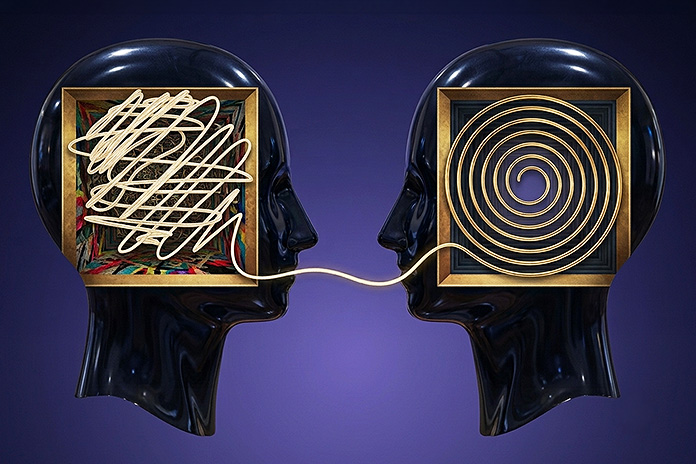
Have you ever noticed how two people can say almost the same thing, yet one leaves a lasting impression while the other doesn’t? The difference isn’t always in the message—it’s in the words they choose and the way they deliver them. This is how words shape perception. Every conversation, whether personal or professional, influences how others see us. From job interviews to business meetings, mastering effective communication can open doors, build trust, and create meaningful connections.
Why Words Shape Perception
The words we use become the foundation of our personal and professional image. They influence whether people perceive us as confident, knowledgeable, approachable, or trustworthy. This is why understanding the importance of choosing the right words is essential.
Imagine being asked, “Tell me about yourself.”
One response might be:
“I’m okay at most things, I guess.”
Another could be:
“I enjoy solving problems, learning new skills, and continuously improving myself.”
Both responses communicate similar ideas, but the second demonstrates confidence, purpose, and professionalism. This is the power of positive language in action.
The Importance of Communication in Everyday Life
The importance of communication extends far beyond simply exchanging information. Strong communication skills help us:
- Build trust
- Develop stronger relationships
- Resolve conflicts effectively
- Influence decisions
- Inspire teams
- Advance our careers
Whether you’re a student, working professional, entrepreneur, or leader, investing in communication skills for career success can significantly impact your future.
The Impact of Words on Emotions
Every word carries emotional weight. Some words naturally inspire confidence and motivation, while others trigger doubt or fear.
Consider these examples:
Version 1:
“This is a difficult task, but I’m confident we can solve it.”
Version 2:
“This is impossible, and I don’t think we’ll ever figure it out.”
Both acknowledge a challenge, but the first encourages action while the second discourages effort. This illustrates the impact of words on emotions and why positive communication matters.
Words such as:
- Growth
- Opportunity
- Success
- Innovation
- Progress
- Collaboration
often create optimism and engagement.
Meanwhile, words like:
- Failure
- Impossible
- Never
- Hopeless
can reduce confidence and motivation.
How Communication Affects Relationships
Healthy relationships depend on respectful and thoughtful communication. Whether you’re interacting with family, friends, colleagues, or clients, your language influences the quality of those relationships.
Instead of saying:
“You’re wrong.”
Try saying:
“I understand your perspective. Here’s how I see it.”
This simple shift demonstrates empathy and encourages dialogue. Understanding how communication affects relationships helps create trust, reduce conflict, and strengthen interpersonal connections.
Effective Workplace Communication Tips
Today’s workplace values professionals who communicate clearly and respectfully.
Some effective workplace communication tips include:
- Listen before responding.
- Be clear and concise.
- Choose respectful language.
- Focus on solutions instead of problems.
- Give constructive feedback.
- Avoid unnecessary negativity.
Strong professional communication improves teamwork, productivity, and workplace culture.
Leadership Communication Builds Strong Teams
Great leaders inspire through their words. Leadership communication isn’t about speaking the loudest—it’s about communicating with clarity, empathy, and confidence.
Compare these statements:
“You’ll never be good at this.”
versus
“I know you can improve, and I’m here to help.”
The second approach builds confidence and encourages growth. This is the role of communication in leadership and why communication for leaders is essential in today’s organizations.
Persuasive Communication Influences Decisions
Successful professionals know how to communicate ideas that inspire action. Persuasive communication isn’t about manipulation—it’s about presenting ideas clearly while highlighting value.
Words like:
- Opportunity
- Benefit
- Advantage
- Improvement
- Results
- Innovation
help audiences recognize value and understand why an idea matters.
Understanding how words influence decision making is valuable in sales, leadership, education, customer service, and business communication.
Business Communication in the Digital Age
Emails, instant messages, and social media posts have become everyday communication tools. However, written communication often lacks tone, making word choice even more important.
Consider these emails:
Email A:
“Please send the report when you have time.”
Email B:
“I need the report ASAP.”
Although both request the same task, they create different emotional responses. Practicing effective email communication helps maintain professionalism and positive working relationships.
Strong business communication also reflects professionalism, reliability, and respect.
Communication Skills for Students
Students who develop strong communication abilities gain advantages both inside and outside the classroom.
Important communication skills for students include:
- Public speaking
- Active listening
- Presentation skills
- Group discussions
- Professional writing
- Interview communication
These skills prepare students for higher education, internships, and future careers.
Public Speaking and Confident Communication
Many people fear public speaking, but confidence grows through preparation.
Developing public speaking skills and confident communication helps individuals:
- Speak with clarity
- Organize ideas effectively
- Reduce nervousness
- Connect with audiences
- Build credibility
Confidence doesn’t come from perfection—it comes from practice.
Improving Verbal Communication Skills
If you want to improve your communication, start with your everyday conversations.
Here are practical communication techniques for professionals and students alike:
1. Practice Before Important Conversations
Rehearse presentations, interviews, or meetings aloud. Practice improves confidence, clarity, and delivery while strengthening effective speaking skills.
2. Be Careful with the Word “But”
The word “but” often cancels whatever positive statement came before it.
Instead of saying:
“You did a great job, but…”
Try:
“You did a great job. One area we can improve is…”
This small change creates more positive communication.
3. Use Positive Language
Replace:
- “I can’t.”
- “This won’t work.”
With:
- “I’ll find a solution.”
- “Let’s explore another option.”
The power of positive language helps improve confidence while encouraging collaboration.
4. Read More
Books, articles, and quality content expand vocabulary and expose readers to better sentence structures. Reading regularly is one of the simplest ways of improving verbal communication skills.
5. Listen More Than You Speak
Good communicators are excellent listeners. Active listening strengthens interpersonal communication and helps build stronger professional relationships.
Communication Strategies That Leave a Lasting Impression
Strong communicators focus on delivering value rather than simply speaking.
Effective communication strategies include:
- Knowing your audience
- Using simple language
- Being authentic
- Speaking with confidence
- Showing empathy
- Asking thoughtful questions
- Encouraging collaboration
These communication techniques improve both personal and professional interactions.
Final Thoughts
Your words create your reputation long before your actions are fully understood. They shape opinions, influence emotions, strengthen relationships, and determine how people remember you. Whether you’re developing professional communication, enhancing leadership communication, mastering business communication, or simply becoming a better conversationalist, choosing the right words can transform every interaction.
Ultimately, how words shape perception comes down to one simple principle: speak with clarity, purpose, and empathy. By developing effective communication, practicing confident communication, and continuously improving your communication skills, you can build stronger relationships, inspire others, and achieve greater success in every area of life.