
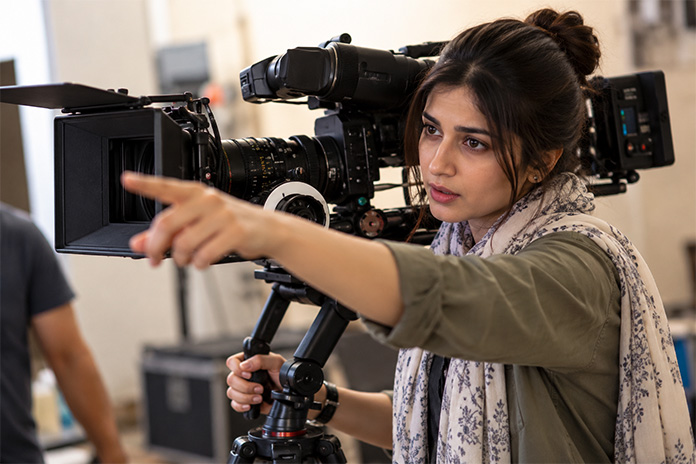
Indian cinema has always been known for its diversity, storytelling traditions, and cultural richness. While Bollywood and regional film industries continue to attract large audiences, a new generation of creative minds is changing how stories are developed and presented. Today, independent filmmaking in India is gaining attention as young creators explore original ideas, experiment with cinematic techniques, and bring lesser-known stories to the screen.
Interestingly, film students in India are becoming an important part of this creative movement. With access to digital cameras, smartphones, editing software, and online distribution platforms, aspiring filmmakers can begin producing meaningful content without depending entirely on established production houses.
The growing accessibility of technology has made independent filmmaking a practical learning opportunity for students interested in direction, cinematography, editing, screenwriting, and production. From creating short films for academic projects to participating in film festivals, students are finding new ways to develop their creativity and gain industry exposure.
As the demand for original content increases, independent cinema is opening new possibilities for aspiring filmmakers who want to establish their identity in India’s evolving entertainment industry.
Understanding Independent Filmmaking in India
Independent filmmaking refers to the process of producing films outside the traditional commercial studio system. Unlike large-budget productions, independent films are generally created with smaller teams, limited financial resources, and greater creative flexibility.
Independent filmmakers often focus on storytelling rather than commercial formulas. Their projects may explore social issues, personal experiences, cultural identities, experimental narratives, or subjects that receive limited attention in mainstream cinema.
Indian independent cinema has a rich history shaped by influential filmmakers such as Satyajit Ray, Shyam Benegal, Govind Nihalani, Mani Kaul, and Adoor Gopalakrishnan. Their work demonstrated how cinema could explore complex human experiences while introducing distinctive storytelling techniques.
Today, emerging Indian filmmakers are carrying this creative tradition forward through modern production methods and digital distribution platforms.
For students considering a career in filmmaking, independent cinema offers an opportunity to experiment with different storytelling approaches and develop their artistic identity.
Film Schools as Creative Laboratories for Aspiring Filmmakers
Professional filmmaking education plays an important role in helping students understand both the artistic and technical aspects of cinema. A well-structured learning environment introduces students to filmmaking principles while encouraging practical experimentation.
A recognised film school in India may provide access to production studios, cameras, lighting equipment, sound-recording facilities, editing laboratories, and collaborative learning spaces.
Students pursuing filmmaking courses generally explore subjects such as:
- Film direction and screenplay writing
- Cinematography and camera techniques
- Video editing and post-production
- Sound recording and sound design
- Production planning and management
- Visual storytelling and film analysis
- Documentary and short film production
However, one of the most valuable aspects of film education is learning through actual production experience.
Through student filmmaking, aspiring directors, editors, cinematographers, and writers can collaborate on creative projects. They learn how to develop scripts, manage production schedules, coordinate teams, and transform ideas into visual narratives.
These practical experiences help students build confidence while developing the technical and creative abilities required in professional filmmaking.
The Digital Revolution and Its Impact on Student Filmmaking
The development of affordable technology has significantly changed film production in India. Earlier, creating professional-looking films often required expensive cameras, specialised equipment, and access to established production facilities.
Today, digital filmmaking has made content creation more accessible to students and independent creators.
Modern smartphones, digital cameras, editing applications, and online learning resources allow aspiring filmmakers to experiment with visual storytelling using comparatively limited resources.
Mobile Filmmaking: A New Opportunity for Young Creators
Mobile filmmaking has become an accessible starting point for students interested in exploring cinema.
Smartphones equipped with high-resolution cameras allow students to practise framing, composition, lighting, and camera movement without immediately investing in expensive equipment.
For example, a student can develop a short documentary about their neighbourhood, record interviews, or create a fictional story using a smartphone and basic editing software.
Although professional equipment can offer additional creative control, strong storytelling remains one of the most important elements of filmmaking.
Digital Storytelling and Creative Expression
Digital storytelling combines traditional narrative techniques with modern production and distribution technologies.
Students can experiment with different formats, including short films, documentaries, web series, experimental videos, and social media narratives.
Digital platforms also allow filmmakers to share their work with audiences beyond their immediate surroundings.
This accessibility encourages students to develop original ideas, explore unconventional themes, and understand how different audiences respond to visual content.
Short Film Production: The First Step Towards a Filmmaking Career
For many aspiring filmmakers, short film production provides the first opportunity to experience the complete filmmaking process.
Unlike feature-length films, short films generally require fewer locations, smaller teams, and shorter production schedules. This makes them suitable for students who are still developing their technical abilities.
Creating a short film involves several stages:
| Production Stage | Key Activities |
| Pre-production | Scriptwriting, storyboarding, budgeting, casting, and location planning |
| Production | Camera operation, lighting, directing, acting, and sound recording |
| Post-production | Video editing, sound design, colour correction, and visual effects |
| Distribution | Film festival submissions, online releases, and audience promotion |
Through these activities, students gain experience in planning, teamwork, creative decision-making, and problem-solving.
Short films also help aspiring filmmakers develop professional portfolios that can support future internships, collaborations, and employment opportunities.
For students exploring a filmmaking career, completing original projects can demonstrate practical ability and creative potential.
Low-Budget Filmmaking: Creativity Beyond Financial Limitations
One of the biggest challenges faced by aspiring filmmakers is managing production expenses.
However, low budget filmmaking encourages creators to focus on resourcefulness, planning, and storytelling rather than relying entirely on expensive equipment.
Students can reduce production costs by selecting accessible locations, working with small crews, using available equipment, and developing stories that require fewer production resources.
A well-written script, thoughtful cinematography, effective sound recording, and careful editing can contribute significantly to a film’s overall quality.
Limited resources can also encourage filmmakers to discover innovative solutions.
For example, natural lighting can be used creatively, while carefully selected locations can strengthen a film’s atmosphere without requiring elaborate sets.
These experiences teach students an important lesson: successful filmmaking depends not only on financial investment but also on preparation, collaboration, and creative execution.
Challenges Faced by Independent Filmmakers in India
Despite growing opportunities, independent film production continues to face several challenges.
Financial limitations remain a major concern for aspiring filmmakers. Production expenses, equipment rental, travel, location permissions, post-production, and distribution can increase project costs.
Another challenge involves reaching the right audience.
Completing a film does not automatically guarantee visibility. Independent creators must understand promotional strategies, festival submissions, digital marketing, and distribution channels.
Students may also face difficulties balancing academic responsibilities with production schedules.
In smaller filmmaking teams, individuals often perform multiple responsibilities. A student director might also handle production coordination, location arrangements, or editing.
Although demanding, these experiences help develop adaptability and professional discipline.
The ability to manage limited resources, communicate effectively, and solve unexpected problems is particularly valuable for students preparing to enter the entertainment industry.
The Role of Film Festivals and Online Platforms
Film festivals provide important opportunities for aspiring filmmakers to showcase their creative work.
National and international festivals can help students connect with filmmakers, producers, critics, and industry professionals.
Participating in film festivals may also provide valuable feedback and exposure to different filmmaking styles.
For independent filmmakers, these events can become platforms for professional networking and creative development.
Meanwhile, digital platforms have changed how films reach audiences.
YouTube, social media, and other online video platforms allow creators to distribute their projects without depending exclusively on traditional theatrical releases.
A student-produced short film can potentially reach viewers across different cities and countries.
However, building an audience requires consistency, effective promotion, and an understanding of viewer preferences.
Students who learn both filmmaking and content distribution can develop a more comprehensive understanding of the modern entertainment industry.
Essential Filmmaking Skills for Students
Building a successful career in filmmaking requires a combination of creativity, technical knowledge, and interpersonal abilities.
Developing strong filmmaking skills for students is important because film production involves collaboration across multiple departments.
Some essential skills include:
Creative Storytelling: The ability to develop engaging characters, meaningful narratives, and original concepts.
Technical Knowledge: Understanding camera operations, lighting, editing software, sound recording, and production equipment.
Communication Skills: Working effectively with actors, crew members, producers, and other creative professionals.
Problem-Solving: Managing unexpected challenges during shooting and post-production.
Time Management: Completing projects within production schedules and available resources.
Teamwork: Coordinating with people from different creative and technical backgrounds.
Adaptability: Learning new filmmaking technologies and adjusting to changing industry expectations.
Students who regularly practise these skills through academic assignments, internships, and independent projects can strengthen their professional portfolios.
Filmmaking Career Opportunities for Students in India
The expansion of digital entertainment, advertising, online content, and regional cinema has created diverse filmmaking career opportunities.
Graduates with relevant education and practical experience can explore different professional roles depending on their interests.
| Career Role | Primary Responsibilities |
| Film Director | Guides storytelling, performances, and the overall creative vision |
| Cinematographer | Manages camera techniques, lighting, and visual composition |
| Film Editor | Organises footage and develops the final narrative structure |
| Screenwriter | Creates scripts, dialogues, characters, and storylines |
| Sound Designer | Develops sound effects, audio environments, and soundtracks |
| Film Producer | Coordinates budgets, schedules, resources, and production activities |
| Documentary Filmmaker | Creates factual films exploring people, communities, and real-world subjects |
| Digital Content Creator | Produces video content for online platforms and digital audiences |
Students can also explore opportunities in advertising agencies, production houses, television studios, post-production companies, and digital media organisations.
However, building a sustainable filmmaking career requires consistent practice, professional networking, and a strong portfolio.
Internships, freelance assignments, collaborative projects, and independent productions can help students gain experience before entering full-time professional roles.
Emerging Indian Filmmakers and the Future of Indian Cinema
The rise of emerging Indian filmmakers reflects a broader transformation in the country’s creative industry.
Young creators are increasingly interested in exploring stories inspired by personal experiences, regional cultures, social realities, and contemporary challenges.
Instead of following established commercial formulas, many student filmmakers are experimenting with documentary filmmaking, realistic narratives, genre-based storytelling, and unconventional visual styles.
This growing interest in original content is influencing the future of Indian cinema.
Digital distribution platforms have also created opportunities for films made in different Indian languages to reach wider audiences.
As technology continues to evolve, filmmakers may increasingly explore virtual production, advanced visual effects, digital editing, and new storytelling formats.
However, technological advancement alone cannot replace creative imagination.
The next generation of filmmakers will need to combine technical knowledge with meaningful storytelling and a clear understanding of their audiences.
This is where practical filmmaking education, collaborative projects, and independent experimentation become particularly important.
Why Practical Filmmaking Education Matters
The growing popularity of independent cinema highlights the importance of education that encourages creativity alongside technical development.
Students interested in filmmaking should look for learning environments that provide opportunities to work on real projects, collaborate with peers, and explore different areas of film production.
Practical assignments, workshops, film screenings, industry interactions, and portfolio development can help students understand professional expectations.
More importantly, filmmaking education should encourage students to discover their own creative voice.
Rather than simply preparing learners to follow existing industry practices, educational institutions can help them develop the confidence to experiment with new ideas.
By combining technical training with independent creative projects, students can prepare themselves for different opportunities within India’s evolving film and digital entertainment ecosystem.
Conclusion
Independent filmmaking in India is creating new possibilities for students who want to express their creativity through cinema.
Affordable technology, digital distribution platforms, practical film education, and growing interest in original storytelling have made filmmaking more accessible than ever before.
For aspiring filmmakers, the journey does not necessarily begin with a major production company or a large commercial project.
It may begin with a short script written during a college assignment, a documentary recorded on a smartphone, or a short film developed with friends.
Each project provides an opportunity to improve technical abilities, understand the filmmaking process, and develop a distinctive creative identity.
As film students in India continue experimenting with new narratives and production techniques, they have the potential to contribute meaningfully to the future of Indian cinema.
Ultimately, independent cinema is not simply an alternative to mainstream filmmaking. It is an important creative space where aspiring filmmakers can discover their voices, share original stories, and begin building their professional journeys.