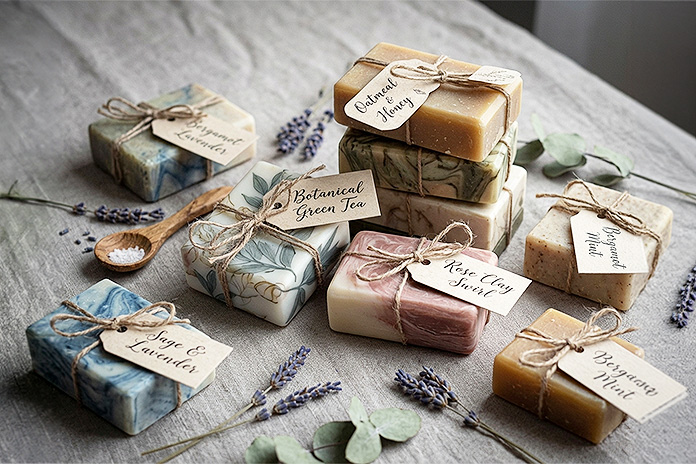
Why Choosing the Right Bathing Soap Matters
Chemistry is an important part of our everyday life. From toothpaste and shampoos to perfumes, moisturizers, cosmetics, and bathing soaps, many products we use daily are created through chemical processes. Among these, bathing soaps are one of the most common products used for maintaining personal hygiene and skin cleanliness.
However, choosing a soap is not only about fragrance, packaging, or brand preference. The ingredients present in a soap directly affect how it interacts with our skin. A soap that works well for one person may not provide the same results for another because skin type, climate, and individual skin concerns vary.
This bathing soaps and their selection guide explains the science behind soaps, their ingredients, cleansing action, and how to select the right soap for different skin types.
Understanding Soap Composition and Skin Care
How Are Bathing Soaps Made?
Bathing soaps are produced through a chemical reaction called saponification. In this process, fats or oils react with an alkali to form soap.
The main ingredients used in soap manufacturing include:
Oils and Fats
Oils and fats are the primary components of soaps. Commonly used sources include:
- Coconut oil
- Palm oil
- Olive oil
- Castor oil
- Animal fats (used in some premium soaps)
These ingredients help determine the texture, cleansing ability, and moisturizing properties of the soap.
Alkalis
The type of alkali used affects the form of the soap:
- Sodium hydroxide (NaOH) is used for hard bar soaps.
- Potassium hydroxide (KOH) is used for soft or liquid soaps.
Soft soaps are generally potassium salts of fatty acids, while bar soaps are usually sodium salts.
Bathing Soap Ingredients and Benefits
A bathing soap contains several additional ingredients that improve its quality, appearance, and skin benefits.
Glycerine
Glycerine is a popular moisturizing ingredient that helps retain moisture and keeps the skin soft. It can naturally form during soap production or may be added separately.
Fragrances
Fragrances improve the sensory experience of soap. They may include:
- Rose oil
- Lavender oil
- Sandalwood oil
- Citrus extracts
- Synthetic perfumes
Colorants
Colorants are added to create attractive soap designs and may come from natural or synthetic sources.
Preservatives
Preservatives prevent microbial growth and increase the shelf life of soaps.
Hardeners and Fillers
Ingredients such as sodium chloride and sodium silicate improve the hardness, durability, and structure of soap bars.
Herbal and Medicinal Additives
Many soaps include natural extracts and special ingredients such as:
- Neem
- Aloe vera
- Turmeric
- Tea tree oil
- Charcoal
These ingredients are added for additional skincare benefits.
How Bathing Soaps Clean the Skin
Scientific Guide to Selecting Bathing Soaps
The cleansing ability of soap depends on its molecular structure. Soap molecules contain two important parts:
Hydrophilic Head
This part attracts water and helps remove dirt during washing.
Hydrophobic Tail
This part attracts oil, grease, and impurities present on the skin.
When soap is applied, the hydrophobic part attaches to oil and dirt, while the hydrophilic part connects with water. This allows impurities to be washed away easily.
This scientific process explains how bathing soaps affect skin health and why choosing the right formulation is important.
Types of Bathing Soaps Available
Different soaps are designed for different skin needs. Common categories include:
Moisturizing Soaps
These contain ingredients like glycerine, oils, and creams to prevent dryness.
Herbal Soaps
These contain plant-based ingredients such as neem, aloe vera, and turmeric.
Antibacterial Soaps
These are designed to reduce bacteria on the skin surface.
Medicated Soaps
These are formulated for specific skin concerns and should be used carefully.
Beauty Soaps
These focus on fragrance, smoothness, and cosmetic benefits.
How to Choose the Best Bathing Soap for Your Skin Type
Selecting a soap depends on understanding your skin type. The best soap according to skin type varies from person to person.
Soap Selection for Dry Skin
Common Signs of Dry Skin:
- Skin feels tight after bathing
- Flaky skin
- Rough texture
- Lack of moisture
Suitable Soaps:
For dry skin, choose:
- Moisturizing soaps
- Glycerine-based soaps
- Aloe vera soaps
- Shea butter soaps
- Coconut oil-based soaps
- Cream-based cleansers
Avoid:
- Strong deodorant soaps
- Excessively perfumed soaps
- Harsh cleansing formulas
Recommended Options:
- Dove Beauty Bars
- Cetaphil Cleansing Bars
- Sebamed Cleansing Bars
Soap Selection for Oily Skin
Common Signs of Oily Skin:
- Greasy skin surface
- Excess sweating
- Body acne
Suitable Soaps:
Look for soaps containing:
- Neem
- Tea tree oil
- Charcoal
- Salicylic acid
Deep-cleansing and antibacterial formulations can be useful for oily skin.
Avoid:
- Heavy cream-based soaps
Recommended Options:
- Medimix
- Pears Oil Control variants
- Dettol Fresh variants
Soap Selection for Sensitive Skin
Signs of Sensitive Skin:
- Redness
- Itching
- Irritation
- Allergic reactions
Suitable Soaps:
Choose:
- Fragrance-free soaps
- Dye-free formulas
- Hypoallergenic products
- Dermatologist-tested cleansers
Avoid:
- Strong perfumes
- Harsh exfoliating ingredients
Recommended Options:
- Aveeno
- Cetaphil
- Sebamed
Soap Selection for Normal Skin
Normal skin usually tolerates most mild bathing soaps.
You can select based on:
- Moisturizing needs
- Fragrance preference
- Herbal ingredients
Recommended Options:
- Lux
- Pears
- Mysore Sandal
Choosing the Right Soap for Healthy Skin
When selecting a soap, check the ingredient list carefully.
Beneficial Ingredients:
- Glycerine
- Aloe vera
- Coconut oil
- Shea butter
- Oatmeal
- Neem
Ingredients to Be Careful About:
- Excess sulfates
- Very strong artificial fragrances
- High alcohol content
The right soap should clean the skin without removing natural moisture.
Best Bathing Soap for Daily Use: Things to Consider
A good daily-use soap should:
- Remove dirt and sweat effectively
- Keep skin comfortable
- Avoid dryness and irritation
- Match your skin type
- Support healthy skin maintenance
Climate also affects soap selection. For example:
Hot Climate
Refreshing or antibacterial soaps may feel more comfortable during summers.
Cold Climate
Moisturizing soaps are generally better during winters because skin loses moisture faster.
Soap Selection Based on Skin Conditions
Different skin concerns may require different approaches.
Body Acne
Look for:
- Salicylic acid-based soaps
- Neem-based soaps
Fungal Skin Concerns
Medicated antifungal soaps may be recommended, preferably with professional guidance.
Eczema or Dermatitis
Mild syndet bars or dermatologist-recommended cleansers are usually preferred.
Soap Bars vs Body Wash: Which Is Better?
Both soap bars and body washes have advantages.
Soap Bars
Advantages:
- Affordable
- Easy to use
- Convenient for daily bathing
Body Wash
Advantages:
- Often gentler
- More moisturizing
- Suitable for very dry or sensitive skin
People with sensitive or dry skin may prefer body washes because they are usually less drying.
Simple Rules for Selecting the Right Bathing Soap
A suitable bathing soap should:
Clean the skin effectively
Not cause itching or redness
Maintain skin comfort
Match your skin type
Contain ingredients beneficial for your skin
Conclusion
Choosing a bathing soap is an important part of personal skincare. Understanding bathing soap ingredients and benefits, skin type requirements, and the science behind cleansing helps in making better choices.
The scientific guide to selecting bathing soaps shows that there is no single “perfect” soap for everyone. The best choice depends on individual skin needs, climate, and specific concerns.
By following proper soap selection based on skin conditions and understanding how to choose the best bathing soap for your skin type, you can select products that support clean, healthy, and comfortable skin every day.