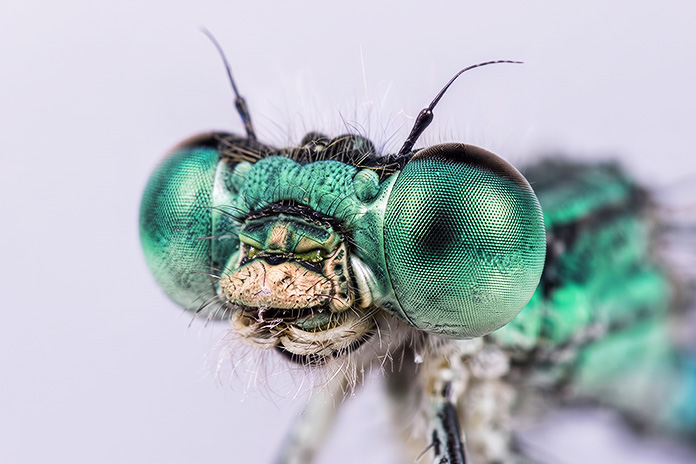
Insects are among the oldest and most successful groups of animals on Earth, having existed for more than 400 million years. They play an indispensable role in maintaining ecological balance and supporting human well-being. Despite their immense contributions, people’s appreciation and understanding of insects have gradually declined over time, leading to a growing phenomenon known as entomophobia—the fear or aversion to insects.
On the other hand, increasing awareness about insects and their ecological importance is encouraging entomophilia, where individuals develop interest, appreciation, and positive attitudes toward insects. Transforming Entomophobia into Entomophilia through education and awareness can create new opportunities in conservation, research, and entrepreneurship.
Unfortunately, entomophobia continues to spread across generations, as children often adopt the attitudes and perceptions of their parents, teachers, and society. Therefore, there is an urgent need to replace fear with knowledge, appreciation, and entrepreneurial opportunities. The contributions of insects to pollination, biodiversity conservation, nutrient cycling, and agriculture make them invaluable components for sustaining life on Earth.
With growing interest in Sustainable Agriculture, Agricultural Sciences, and Agricultural Innovation, insects are now being recognized not only for their ecological importance but also for their economic potential. The emerging field of Industrial Entomology focuses on utilizing insects for commercial applications while supporting environmental sustainability.
Since ancient times, insects have been a source of livelihood through activities such as beekeeping, sericulture (silkworm rearing), and lac cultivation, along with the commercialization of their by-products (Fig. 1). However, the present generation (Gen-G) is exploring several new opportunities in insect-based enterprises that have the potential to generate millions and even billions of dollars.
The global insect farming market was valued at USD 1.97 billion in 2024 and is projected to reach USD 2.54 billion by 2030, growing at a CAGR of 4.28%. The new era of Insect Farming includes species such as the black soldier fly (BSF), crickets, mealworms, wax moth, cochineal insect, and many others.
Among these, BSF has emerged as a major attraction worldwide. The global BSF market is projected to reach approximately USD 5.6 billion by 2030, driven by its applications in protein meal production, biofertilizers, biodiesel, and chitin/chitosan extraction.
The increasing demand for Commercial Insect Farming and Commercial Insect Rearing is creating opportunities for entrepreneurs who want to explore sustainable solutions in agriculture, waste management, and alternative food systems.
Similarly, the cochineal insect extract market was valued at USD 48.54 billion in 2025 and is expected to reach USD 86.65 billion by 2032.
The growth of these markets highlights the potential of Insect-Based Industries and the emerging Insect-Based Bioeconomy, where insects contribute to sustainable food production, environmental management, and industrial applications.
Potential insect-based industries offer diverse opportunities:
- Alternative protein source: Insects serve as an excellent source of protein and can help address global food and feed security.
The growing demand for Alternative Protein Sources from Insects has increased interest in the Insect Protein Business, where insects are explored as sustainable alternatives to traditional protein sources for human food and animal feed.
- Natural dyes and colorants: Cochineal insects produce natural pigments that are widely used in the food, textile, and cosmetic industries.
iii. Plastic degradation: Microorganisms associated with wax moth larvae have shown potential in degrading plastics, offering innovative solutions to plastic pollution.
- Organic fertilizers: Insect frass is an effective organic fertilizer that enhances soil fertility and promotes sustainable agriculture.
The use of insect-derived fertilizers supports Insect Farming for Sustainable Agriculture by promoting circular farming practices and reducing dependency on chemical inputs.
- Biofuel production: Insects can contribute to the development of sustainable biofuels as renewable energy sources.
- Chitin and chitosan extraction: Insects are rich sources of chitin and chitosan, which have extensive applications in agriculture, medicine, pharmaceuticals, food processing, cosmetics, and wastewater treatment.
vii. Apitherapy (bee therapy): Bee-derived products and venom are increasingly used in complementary medicine to manage inflammation, chronic pain, and certain autoimmune disorders.
Insect Entrepreneurship and Sustainable Wealth Creation
Insect entrepreneurship involves the mass rearing, breeding, and processing of economically important insects such as cochineal insects, mealworms, black soldier flies, and others. It represents an emerging area of Industrial Entomology where scientific knowledge is transformed into commercial opportunities through innovative insect-based solutions.
The growth of Insect Entrepreneurship has created new possibilities in sustainable agriculture by providing alternative animal feed, organic fertilizers, high-value biomaterials, and novel food products. Entrepreneurs are exploring Business Opportunities in Insect Farming as global industries increasingly focus on sustainability, waste management, and resource-efficient production systems.
The development of Insect Farming Business models can support multiple sectors, including agriculture, food production, pharmaceuticals, cosmetics, and biotechnology. Individuals interested in this field can explore opportunities such as Black Soldier Fly Farming Business, insect-based feed production, organic fertilizer manufacturing, and insect-derived biomaterial development.
To understand How to Start an Insect Farming Business, entrepreneurs need knowledge of insect biology, breeding techniques, processing methods, market demand, and sustainable production practices. Successful ventures require scientific understanding along with business planning and innovation.
Success in this sector requires an entrepreneurial mindset characterized by innovation, resilience, problem-solving ability, and a willingness to adopt emerging technologies. Entrepreneurs must also identify market requirements, develop sustainable solutions, and create awareness about the ecological and economic benefits of insects.
The increasing demand for sustainable solutions has positioned insect farming as an important component of the future agricultural ecosystem. Sustainable Wealth Through Insect Farming can be achieved by developing commercially viable insect-based enterprises that contribute to food security, environmental conservation, and economic growth.
With the increasing global demand for sustainable agriculture, biodiversity conservation, circular bioeconomy, and alternative protein sources, the future of insect-based enterprises is highly promising.
Future Scope of Insect-Based Industries
The expansion of Insect-Based Industries reflects a shift towards innovative and environmentally responsible business models. From food and agriculture to biotechnology and waste management, insects are creating opportunities across multiple industries.
The concept of Insect-Based Bioeconomy focuses on utilizing insects as valuable biological resources while reducing environmental impact. Through efficient resource utilization and circular production systems, insect-based businesses can contribute significantly to sustainable development.
Emerging areas such as Insect-Based Startup Ideas include:
- Black soldier fly farming for animal feed and organic fertilizer production
- Mealworm cultivation for alternative protein production
- Insect-derived biomaterials for industrial applications
- Natural pigment production from cochineal insects
- Insect-based waste management solutions
These opportunities demonstrate the expanding Future of Insect Farming and its role in developing sustainable business models.
The combination of biotechnology, agriculture, and insect science is opening new pathways for Agricultural Biotechnology and Agricultural Innovation. Researchers and entrepreneurs are working towards developing advanced insect-rearing technologies that improve productivity, efficiency, and sustainability.
Career Opportunities in Entomology and Insect-Based Industries
The growth of insect-based businesses has also created promising career pathways for students and professionals interested in biological sciences, agriculture, and entrepreneurship.
A Career in Entomology offers opportunities in research, commercial insect production, pest management, biotechnology, agriculture, and environmental conservation.
Professionals can explore career roles such as:
- Industrial Entomologist
- Research Scientist
- Insect Farming Specialist
- Agricultural Entrepreneur
- Biotechnology Professional
- Sustainable Agriculture Consultant
- Insect Production Manager
- Agricultural Researcher
The field of Industrial Entomology Career Opportunities is expanding as industries recognize the commercial importance of insects in food production, agriculture, medicine, and environmental management.
Students pursuing Agricultural Sciences can explore interdisciplinary opportunities combining insect biology, entrepreneurship, biotechnology, and sustainable farming practices. Knowledge of insect-based technologies can help future professionals contribute to innovative agricultural solutions.
The increasing importance of sustainable practices has also strengthened Sustainable Agriculture Careers, where professionals work towards developing environmentally friendly approaches for food production and resource management.
The Role of Research and Innovation
Scientific research plays a crucial role in developing successful insect-based industries. Advancements in breeding methods, insect nutrition, processing technologies, and automation are helping improve the efficiency of commercial insect production.
Research in Economic Entomology focuses on understanding insects that provide direct economic benefits through products such as honey, silk, natural dyes, protein sources, and industrial biomaterials.
Universities and research institutions are contributing towards the growth of this sector by promoting innovation, entrepreneurship, and skill development. Through advanced research in Agricultural Biotechnology, scientists are exploring new applications of insects in food, agriculture, healthcare, and environmental sustainability.
The integration of scientific knowledge with entrepreneurship creates opportunities for developing successful insect-based enterprises while addressing global challenges such as food shortages, waste management, and climate change.
Conclusion
Insects are no longer viewed only as organisms associated with fear or discomfort. With increasing awareness and scientific understanding, they are emerging as valuable resources for sustainable development and economic growth.
Transforming Entomophobia into Entomophilia can help society recognize the ecological and economic importance of insects. Through Industrial Entomology, Insect Entrepreneurship, and Sustainable Agriculture, insects have the potential to create new industries, generate employment, and contribute to global sustainability.
The future of insect-based enterprises is promising, with opportunities ranging from Commercial Insect Farming and alternative proteins to biotechnology and environmental solutions.
For aspiring entrepreneurs, researchers, and students, insect-based industries represent a growing field where science, innovation, and business opportunities come together. By adopting sustainable approaches and encouraging Insect Entrepreneurship in India, we can build a future where insects contribute significantly to economic development and environmental protection.