
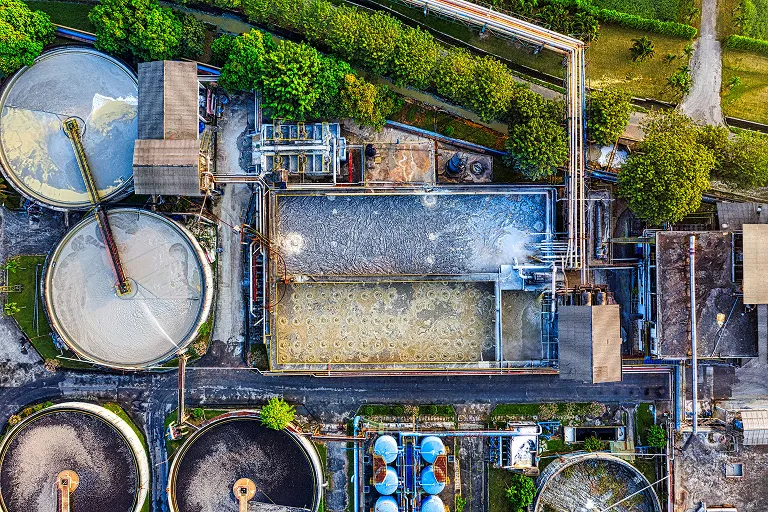
More Than Equations: What is Chemical Engineering?
Chemical Engineering is the branch of engineering that converts raw materials into valuable products through chemical, physical, and biological processes. It combines chemistry, thermodynamics, heat and mass transfer, fluid mechanics, reaction engineering, process safety, and automation.
Modern Chemical Technology is not limited to laboratories; it plays a major role in industries that shape everyday life. The Future of Chemical Engineering focuses on developing innovative solutions for energy, healthcare, environmental protection, and industrial growth.
A chemist may discover a medicine in a laboratory, but a chemical engineer designs the processes required for large-scale, safe, and efficient production.
How Chemical Engineering Powers Modern Society
The importance of How chemical engineering powers modern society can be seen across multiple sectors, from clean water systems and energy production to pharmaceuticals and sustainable manufacturing.
Chemical engineers apply Process Engineering principles to design efficient systems that transform raw materials into useful products while reducing waste and environmental impact.
Can Chemical Engineers Solve the Global Water Crisis?
Water scarcity is one of the greatest challenges of this century. How chemical engineers solve water scarcity challenges is through advanced technologies such as Reverse Osmosis, Multi-Effect Distillation, Membrane Separation, and Zero Liquid Discharge systems.
Chemical engineers are developing advanced Water treatment technologies that help industries recycle wastewater, conserve resources, and convert seawater into safe drinking water.
These innovations represent the role of Chemical engineering for sustainable development, ensuring future generations have access to essential resources.
Green Hydrogen, Batteries & Clean Energy
The future of energy depends heavily on chemical engineering innovation. Role of chemical engineers in clean energy is becoming increasingly important as industries move toward sustainable alternatives.
Chemical engineers contribute to Green hydrogen production, biofuels, carbon capture systems, fuel cells, advanced battery materials, and waste-to-energy technologies.
The combination of Green hydrogen and chemical engineering innovations is creating new possibilities for a cleaner and more sustainable energy future.
These Clean energy solutions require advanced Process Engineering knowledge, industrial design, and sustainable production methods.
Medicines and Healthcare
The healthcare sector depends greatly on chemical engineering. Vaccines, antibiotics, pharmaceutical tablets, oxygen generation systems, and sterile manufacturing processes all rely on chemical engineering expertise.
The Importance of chemical engineering in pharmaceutical manufacturing lies in converting laboratory discoveries into safe, reliable, and affordable medicines for millions of people worldwide.
Chemical engineers ensure quality control, process optimization, and large-scale production in the pharmaceutical industry.
Sustainability is the Future
Industries worldwide are focusing on reducing emissions, minimizing waste, improving energy efficiency, and following environmental regulations.
This shift has increased the demand for chemical engineers working in Sustainable Industry areas such as:
- Circular Economy
• Plastic Recycling
• Green Solvents
• Carbon Neutral Manufacturing
• Biomass Conversion
The Future scope of chemical engineering in 2026 is strongly connected with sustainability, innovation, and responsible industrial development.
Chemical engineering is no longer only about producing more—it is about producing smarter, cleaner, and more efficiently.
Smart Manufacturing and Industry 4.0
The future of factories will be AI-assisted, automated, sensor-driven, and digitally connected. Chemical engineers are now working with Chemical engineering and Industry 4.0 technologies to improve production efficiency and safety.
Modern engineers use:
- Process Simulation Software
• Digital Twins
• Data Analytics
• PLC & DCS Systems
• Predictive Maintenance Tools
The integration of technology with engineering has created new opportunities in Industrial Process Engineering, where automation and intelligent systems improve manufacturing processes.
Why Students Should Choose Chemical Engineering
Students choosing this field can explore diverse Chemical Engineering careers across industries such as:
- Oil & Gas
• Pharmaceuticals
• Renewable Energy
• Food Technology
• Water Treatment
• Specialty Chemicals
• Research & Development
• Academia and Entrepreneurship
The growing demand for sustainable solutions has expanded Career opportunities in chemical engineering across global industries.
At Lovely Professional University, students gain exposure to modern laboratories, industry-oriented learning, innovation culture, sustainability practices, and research opportunities that prepare them for future industries.
Final Thoughts
Chemical Engineering may not always make headlines, but its impact touches nearly every aspect of modern life.
From clean water and renewable energy to healthcare and sustainable manufacturing, chemical engineers continue to shape the world through innovation.
In 2026, the world does not just need engineers who can manufacture products. It needs engineers who can design sustainable solutions for humanity.
And that is exactly what chemical engineers do.











![Why B.Tech. (Chemical Engineering) [Lateral Entry] at LPU Stands Out](https://www.lpu.in/blog/wp-content/uploads/2025/11/Why-B.Tech_.-Chemical-Engineering-Lateral-Entry-at-LPU-Stands-Out-100x70.png "Why B.Tech. (Chemical Engineering) [Lateral Entry] at LPU Stands Out?")