The era of “renting attention” is quickly evolving into an era where creators don’t just influence businesses – they are the businesses.
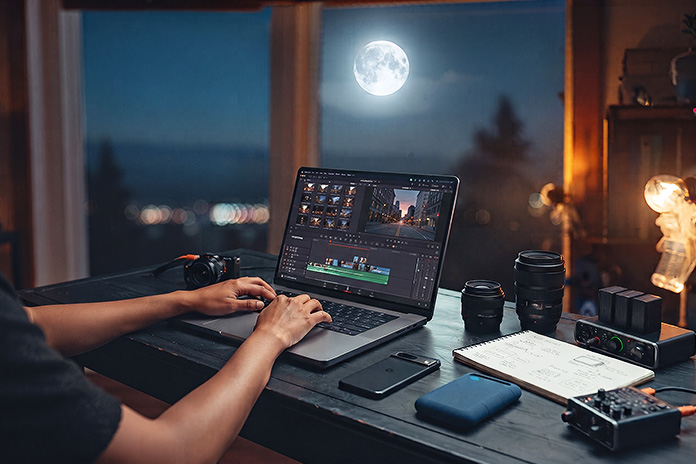
For the past decade, platforms like YouTube and Instagram were seen as stages for entertainment. But while traditional social media acts like a digital diary, the 2026 Creator Economy acts like a vertically integrated enterprise. It doesn’t just broadcast content; it builds proprietary tech, drives community-led product development, and scales hyper-niche brands that rival legacy corporations. This marks a defining moment in the evolution of the creator economy business model in 2026, where creators function as full-scale enterprises rather than individual influencers.
For entrepreneurs and brand strategists, this isn’t just a trend. It represents a fundamental shift from “Content as a Hobby” to “Content as a Business Infrastructure,” forming the foundation of the future of the creator economy.
The Shift: From Influencing to Operating
Why is the industry moving toward creator-led growth? The limitation of being an “influencer” was the reliance on brand deals. A modern Creator Business, however, is characterized by three distinct macro-shifts that define the creator economy from side hustle to business transformation.
- Direct-to-Community Monetization: Unlike a broadcaster waiting for an ad-share check, creators are “handshaking” with their audience through subscription models, private memberships, and tokenized access – owning their revenue streams from end to end. This reflects how building a business through content creation is becoming more structured and sustainable.
- Full-Scale Branding: Creators are no longer “promoting” skincare; they are launching D2C labs. They leverage their native trust to validate product-market fit in days, showcasing clear examples of how creators are building scalable businesses by converting influence into product ecosystems.
- Operational Scalability: With the rise of AI-driven production and global logistics platforms, a creator with a small, elite team can now manage the output and distribution that once required a workforce of hundreds. This evolution highlights key creator economy trends and opportunities shaping modern entrepreneurshi
The Bottom Line: Structural Power of Creator Businesses
The real value of the Creator Economy lies in its structural agility:
- Community-Driven R&D: Creators have a 24/7 feedback loop with their “super-fans.” They can test beta versions of products in real-time, reducing go-to-market risks and ensuring every launch is a “warm” launch. This is a defining feature of the future of creator-driven businesses.
- Hyper-Targeted Conversion: Instead of mass-market advertising, creator businesses leverage highly engaged niches. They don’t just sell to a demographic; they provide solutions to a community they’ve built over years, strengthening creator economy and personal branding strategies.
- Career Resilience: The “traditional career” is being redefined. Individuals are now building “Personal Monopolies” – combining unique skills with a digital presence to create a career path that is immune to corporate restructuring, a core principle of digital entrepreneurship in the creator economy.
What Businesses and Students Need to Do Right Now?
The transition to a creator-integrated economy isn’t instantaneous. To stay ahead, leadership and future graduates must move away from “transactional thinking” and embrace creator led business growth strategies.
- Define Your “Personal Brand Equity”: In 2026, your digital reputation is your most liquid asset. Identify the high-value problems you solve and build an audience around that expertise, aligning with modern creator economy and personal branding principles.
- Focus on “Creator-First” Partnerships: Legacy brands must treat creators as true business partners (equity-holders) rather than temporary human billboards to stay culturally relevant in the evolving future of creator economy landscape.
- Upskill for the “Solopreneur” Stack: Success now depends on the ability to manage a hybrid strategy of creative storytelling and automated business operations, central to creator economy trends and opportunities.
We are entering a new consumer reality. The “wait and see” approach to the Creator Economy is becoming an expensive gamble. Those who treat “creator” as a serious business title rather than a social media tag will be the ones who redefine their industry’s pace through digital entrepreneurship in the creator economy.