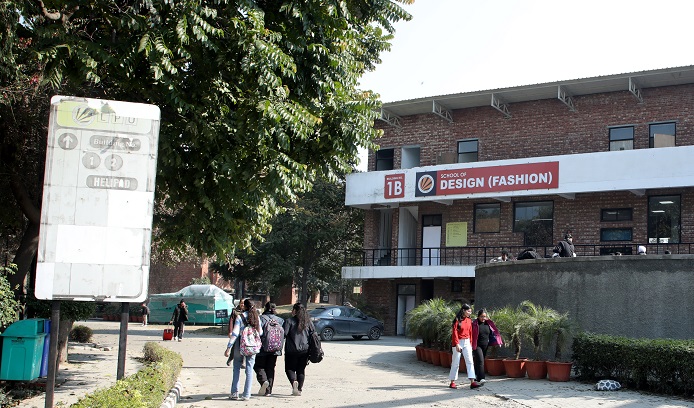
Fashion design is about much more than just clothes and accessories. It is a dynamic industry being reshaped by technology, sustainability, and changing consumer expectations, but as the industry evolves, the skills needed to grow within it are also changing. For graduates looking to deepen their expertise and build a thriving career in fashion design, an M.Sc. in Fashion Design could be an ideal course. At Lovely Professional University, this 2-year, full-time postgraduate programme combines creative design thinking with technical training in areas such as garment construction, fashion technology, and trend forecasting. This blog covers everything prospective students and professionals need to know before applying.
M.Sc. Fashion Design Course Overview
The M.Sc. Fashion Design is a postgraduate programme that builds on your existing design foundation and takes it into more specialised, research-driven territory. It is structured to develop both the creative and technical dimensions of fashion, from understanding fabric and construction at an advanced level to reading industry trends and translating them into viable design decisions. The programme is particularly suited for those who want to move into senior creative roles, pursue research, or build something of their own within the fashion space. Below is a quick overview of the programme at Lovely Professional University:
| Detail | Information |
| Programme Name | M.Sc. Fashion Design |
| Degree Type | Master of Science (Postgraduate) |
| Duration | 2 Years (4 Semesters) |
| Mode | Full-Time, On Campus |
| Eligibility | Bachelor’s degree with 50% aggregate marks |
| Admission Criteria | Merit in qualifying examination |
M.Sc. Fashion Design Eligibility Criteria
The eligibility criteria for the M.Sc. Fashion Design at LPU is fairly straightforward. Graduates from any discipline are eligible to apply for the M.Sc. Fashion Design at LPU, including those with a B.Sc. Fashion Design, B.Des., B.A., or any other bachelor’s degree, provided they have secured a minimum of 50% aggregate marks. This means the programme is open not just to fashion design graduates, but also to those coming from textiles, retail, fine arts, or even an unrelated field entirely, as long as the percentage requirement is met.
Candidates from North-East states and Sikkim, Defence Personnel and their dependents, and wards of Kashmiri migrants are eligible for a 5% relaxation in aggregate marks, bringing the minimum requirement to 45% for these categories.
M.Sc. Fashion Design Course Duration and Structure
The M.Sc. Fashion Design at LPU is a 2-year, full-time postgraduate programme spread across 4 semesters. Each semester builds progressively on the last, moving from core postgraduate concepts in the early semesters to more specialised and industry-facing work in the later ones.
| Component | Details |
| Duration | 2 Years |
| Semesters | 4 |
| Mode | Full-Time, On Campus |
| Curriculum Components | Foundation and Core Courses, Specialisation and Electives |
M.Sc. Fashion Design Syllabus
The M.Sc. Fashion Design curriculum at LPU is structured semester by semester, moving from core design and textile foundations in the first year to more specialised, research-oriented, and industry-facing work in the second.
Year 1: Building the Foundation
The first year is about establishing fluency across the core disciplines of fashion design.
Semester 1 (Autumn Term)
- Basics of Garmenting: An introduction to garment construction fundamentals, covering how clothes are made from the ground up, including techniques, methods, and production basics.
- Fashion Studies: A broad survey of fashion as a discipline, exploring its history, cultural significance, and evolution as both an art form and an industry.
- Graphic Tools: Introduces digital design software used in fashion practice, building the technical skills needed for presentation, illustration, and documentation.
- Illustration I: Develops fashion drawing and illustration skills, covering figure proportions, rendering techniques, and how to communicate design ideas visually.
- Introduction to Industry Practices: An early look at how the fashion industry functions, from design studios and supply chains to retail and production workflows.
- Professional English in Use: Builds the written and verbal communication skills needed to operate professionally in the fashion industry.
- Programme and Career Orientation: Helps students understand the structure of the M.Sc. programme and begin mapping out their individual career direction within the field.
- Textile Science I: Covers the science of fibres, yarns, and fabrics, giving students a solid understanding of the materials they will work with throughout the programme.
- The Process of Design and Documentation: Introduces systematic approaches to design thinking and the documentation practices used across the industry.
Semester 2 (Spring Term)
- Department Elective 1: A discipline-specific elective that allows students to begin exploring areas of particular interest within fashion design.
- Exploration in Pattern and Garment Making: Takes construction skills further, focusing on pattern development and the technical aspects of translating designs into wearable garments.
- Fashion Merchandising: Covers the commercial side of fashion, including buying, retail planning, and how design decisions are shaped by market and consumer demand.
- Indian Textiles: From Ancient Knowledge to Contemporary Practice: An in-depth study of India’s textile traditions, exploring how historical craft knowledge continues to influence and inspire contemporary design.
- Professional Skills Development: Builds on the communication and professional foundations from Semester 1, focusing on industry-facing skills such as portfolio development and presentation.
- Specialisation Elective 1: The first opportunity to pursue a focused area of specialisation within the broader fashion design discipline.
- Surface Development Techniques: Covers techniques for developing fabric surfaces through methods such as printing, embroidery, and embellishment.
- Technical Textiles: Explores textiles developed for functional and performance applications, broadening students’ understanding of how fabric science is applied across industries.
- Textile Processing: Covers the processes involved in finishing and treating fabrics, from dyeing and printing to finishing techniques that affect texture, appearance, and performance.
Year 2: Specialisation and Industry Readiness
By the second year, the focus shifts decisively towards specialisation, professional practice, and preparing for the industry.
Semester 3 (Autumn Term)
- Computer Aided Design: Covers the use of CAD software in fashion design, enabling students to create precise technical drawings, patterns, and digital presentations of their work.
- Couture Garment Design: An advanced study of high-end garment construction and design, exploring the techniques, standards, and creative thinking that define couture practice.
- Department Elective 2: A second discipline-specific elective, allowing students to deepen their expertise in a chosen area of fashion design.
- Fashion and Law: Introduces the legal frameworks relevant to the fashion industry, including intellectual property, design rights, contracts, and brand protection.
- Fashion Retailing: Covers the business of selling fashion, from store design and visual merchandising to retail strategy and consumer behaviour.
- Research Methodology: Equips students with the tools to conduct structured design research, including qualitative and quantitative methods relevant to fashion and textile studies.
- Specialisation Elective 2: A focused elective that continues the student’s chosen area of specialisation from Year 1.
- Specialisation Elective 3: A third specialisation elective, allowing for greater depth in a particular dimension of fashion design practice.
- Testing of Technical Textiles: Covers the methods and standards used to test technical and performance textiles, building on the technical textile knowledge from Year 1.
Semester 4 (Spring Term)
- Portfolio Development: The capstone of the programme. Students develop a professional portfolio that represents their body of work across the two years, ready for industry presentation, job applications, or further study.
- Specialisation Elective 4: The final specialisation elective, rounding off the student’s chosen area of focus before they enter the industry.
Key Skills Students Develop During the Programme
The M.Sc. Fashion Design at LPU is not just about subject knowledge. Across the two years, students build a set of practical and professional skills that directly translate into workplace readiness. Some of the key ones include:
- Advanced Garment Construction: From basics of garmenting in Semester 1 to couture garment design in Semester 3, students develop hands-on construction skills that go well beyond undergraduate-level training.
- Technical Drawing and CAD Proficiency: Through Graphic Tools and Computer Aided Design, students become fluent in the digital tools that modern fashion studios and apparel brands rely on daily.
- Textile Knowledge: With dedicated courses in Textile Science, Technical Textiles, Textile Processing, and Testing of Technical Textiles, students develop a thorough understanding of fabrics from both a creative and scientific standpoint.
- Fashion Illustration: Illustration I gives students the ability to communicate design ideas with clarity and precision, a skill that remains essential at every stage of the design process.
- Research and Critical Thinking: Research Methodology equips students to approach design problems analytically, an increasingly valued skill as brands invest more in consumer insight and trend intelligence.
- Industry and Commercial Awareness: Courses like Fashion Merchandising, Fashion Retailing, and Introduction to Industry Practices ensure students understand the business of fashion, not just the creative side of it.
- Legal and Intellectual Property Awareness: Fashion and Law gives students an understanding of design rights and brand protection, knowledge that is particularly relevant for those looking to launch their own label.
- Portfolio and Professional Presentation: Portfolio Development in the final semester ensures students leave the programme with a polished, industry-ready body of work.
Career Scope After M.Sc. Fashion Design
An M.Sc. in Fashion Design opens up a considerably wider range of professional opportunities than an undergraduate degree alone. Some of these include:
- Fashion Designer: The most direct career path. M.Sc. graduates are equipped to work as senior designers within fashion houses, apparel brands, and export companies, leading design decisions rather than executing them. Those with an entrepreneurial inclination can also use this foundation to launch their own label.
- Fashion Merchandiser: Merchandising sits at the intersection of design and commerce. Merchandisers are responsible for ensuring the right products reach the right markets at the right time, making it a role where understanding both creative and commercial dimensions of fashion is essential.
- Fashion Stylist: From editorial shoots and fashion weeks to celebrity styling and e-commerce visual direction, styling is a field where design training, textile knowledge, and a strong visual sensibility all come together.
- Visual Merchandiser: Large retail brands and fashion labels hire visual merchandisers to manage how products are presented in store and across digital channels. It is a role with significant creative latitude and strong growth potential.
- Textile Designer: With dedicated coursework in textile science, surface development, and textile processing, graduates are well-positioned to work within textile design studios, fabric manufacturers, and sustainable fashion ventures.
- Fashion Researcher and Trend Analyst: Trend agencies, fashion consultancies, and design studios hire graduates who can interpret cultural signals and translate them into actionable design direction. This is a growing area as brands invest more heavily in consumer insight.
- Academic and Research Careers: An M.Sc. also opens the route to doctoral study and academic roles. For graduates interested in teaching, publishing, or contributing to fashion research, this is a natural progression from the programme.
- Entrepreneurship: The programme’s grounding in fashion law, merchandising, retailing, and portfolio development makes it a strong foundation for building something independently.
Conclusion
Fashion is an industry that rewards those who take their craft seriously. The M.Sc. Fashion Design at LPU is built for exactly that kind of student, one who already has a foundation and wants to do something meaningful with it. Between the semester-wise curriculum, the industry-integrated learning, and the breadth of career paths it opens up, the programme covers a lot of ground in two years. For those interested in taking admission, visiting LPU’s admissions office is a good place to start. Our team can walk you through the entire admission process, help with any questions about the programme, eligibility, or scholarships, and guide you on the best way to get enrolled.
Frequently Asked Questions
Q. Is an M.Sc. in Fashion Design only for fashion design graduates?
Not at all. The programme is open to graduates from any discipline, as long as they meet the minimum percentage requirement. Students from textiles, fine arts, retail, and even unrelated fields have pursued M.Sc. Fashion Design successfully.
Q. What is the difference between an M.Sc. Fashion Design and an M.Des. Fashion Design?
An M.Sc. Fashion Design leans more towards the scientific, technical, and research dimensions of fashion, covering areas like textile science, technical textiles, and research methodology alongside design practice. An M.Des. is rooted more firmly in design thinking and creative practice. Both lead to similar career paths, but the academic orientation and depth differ.
Q. What is the difference between M.Sc. Fashion Design and Master of Fashion Management?
M.Sc. Fashion Design is for those who want to work on the creative and technical side of fashion, covering garment construction, textile science, illustration, and design research. Master of Fashion Management is oriented towards the business side, focusing on brand management, retail strategy, marketing, and fashion economics. Simply put, one is for those who want to create fashion, the other is for those who want to run the business behind it.
Q. Is M.Sc. Fashion Design a good option for someone who wants to start their own label?
Yes, and quite deliberately so. The curriculum covers fashion merchandising, fashion retailing, fashion law, and portfolio development, all of which are directly relevant to running an independent fashion business. The design skills built across the two years form the creative backbone of any label.
Q. Can M.Sc. Fashion Design graduates work internationally?
Yes. Fashion is a global industry and trained designers, merchandisers, and trend specialists are in demand across fashion capitals like London, Milan, Paris, and New York. A postgraduate qualification strengthens an international job application considerably.