
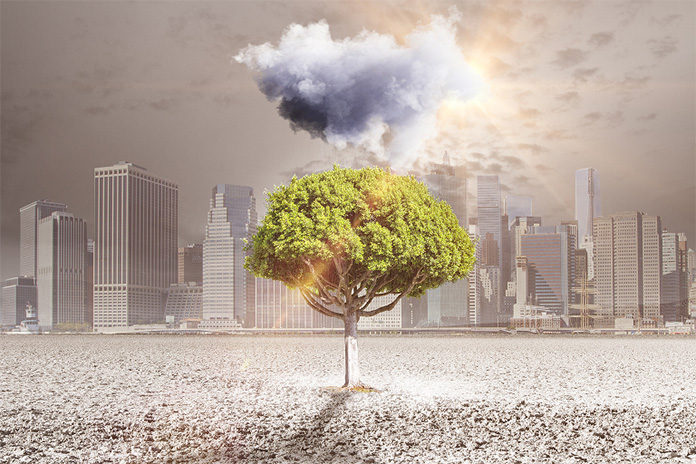
Climate change is one of the most pressing challenges of our time, driven largely by rising levels of carbon dioxide and other greenhouse gases in the atmosphere. In this global crisis, trees act as silent yet powerful allies. Often referred to as the lungs of the Earth, they play a crucial role in reducing the impact of climate change through natural processes.
One of the most important ways trees help is through photosynthesis, where they absorb carbon dioxide from the atmosphere and store it as carbon in their biomass while releasing oxygen. This highlights the role of forests carbon storage and strengthens climate action India efforts. This ability makes them highly effective in reducing the concentration of greenhouse gases and slowing down global warming, directly linking to trees and climate change.
Role of Trees in Climate Regulation
In addition to absorbing carbon dioxide, trees help regulate temperatures by providing shade and releasing moisture into the air through transpiration. This cooling effect is especially important in urban areas, where concrete structures trap heat and create what is known as the urban heat island effect.
Large forest systems such as the Amazon Rainforest play a significant role in maintaining global climate balance by influencing rainfall patterns and stabilizing atmospheric conditions. Trees also contribute to improving air quality by absorbing pollutants like sulfur dioxide and nitrogen oxides, while trapping dust and particulate matter on their leaves. This makes the air cleaner and healthier to breathe, supporting environmental protection India and global sustainability goals.
Trees and Ecosystem Stability
Their role extends beyond air and climate regulation to maintaining soil and water systems. Tree roots bind the soil together, preventing erosion caused by wind and water, and reducing the risk of landslides. They also enhance water retention in the soil and help recharge groundwater by slowing down rainwater runoff, thereby reducing the chances of floods.
Furthermore, trees are essential for sustaining biodiversity, as they provide habitat, food, and shelter to a wide variety of species, making ecosystems more resilient to environmental changes. These are some of the key afforestation benefits that contribute to long-term sustainability India initiatives.
Economic and Social Importance of Trees
Apart from environmental benefits, trees also contribute significantly to economic and social well-being. They provide raw materials such as timber, fruits, medicines, and other forest products that support livelihoods, especially in rural areas. Agroforestry practices integrate trees with agriculture, improving farm productivity while maintaining ecological balance.
Trees in urban spaces improve mental health, reduce stress, and enhance the quality of life. Green spaces in cities are now considered essential for sustainable urban development, further strengthening the link between trees and climate change mitigation strategies.
Challenges: Deforestation and Environmental Degradation
However, despite their immense importance, trees are being lost at an alarming rate due to deforestation, urban expansion, and industrial activities. This not only releases stored carbon back into the atmosphere but also reduces the Earth’s natural capacity to combat climate change.
In countries like India, the challenge lies in balancing development with environmental conservation. Rapid urbanization often leads to the loss of green cover, making it harder to achieve climate action India goals.
Solutions and the Way Forward
Addressing this issue requires collective responsibility. Some key measures include:
- Promoting large-scale tree plantation drives
- Protecting existing forests and biodiversity hotspots
- Encouraging sustainable agricultural practices like agroforestry
- Raising awareness about environmental conservation
- Implementing strict policies against illegal deforestation
Individuals can also contribute by planting trees, reducing waste, and adopting eco-friendly lifestyles. Every small step contributes to a larger environmental impact.
Conclusion
Trees are not just part of nature; they are vital protectors of our planet. Their role in carbon absorption, climate regulation, biodiversity conservation, and ecosystem stability makes them indispensable in the fight against climate change.
Safeguarding trees is essential for ensuring a healthier and more stable future while strengthening climate action India and environmental protection India.