I’m diving headfirst into the world of plant pathology, and I want this space to be a practical, science-backed hub for growers, gardeners, researchers, and anyone passionate about healthier crops and a more resilient food system.
If you’ve ever watched a promising seedling wilt, seen mysterious spots spread across leaves, or lost a harvest to unseen soil invaders, you already know: plant disease identification and timely diagnosis aren’t just academic exercises. They’re the first line of defense in modern agriculture.
This blog aims to serve as a practical plant disease identification and control guide, helping growers make informed decisions that support healthier crops and long-term productivity.
How Plant Diseases Spread?
Pathogens don’t wait for permission. They travel through three primary routes, each requiring a different management approach:
1. Seed-Borne Infections
Fungi, bacteria, or viruses hitchhike inside or on the surface of seeds, often remaining dormant until germination triggers disease.
2. Soil-Borne Infections
Pathogens like Fusarium, Pythium, and Rhizoctonia persist in soil for years, attacking roots and vascular systems.
3. Air-Borne Infections
Wind, rain splash, or insects carry spores across fields, causing rapid foliar outbreaks like powdery mildew or blights.
Accurate diagnosis starts with recognizing early symptoms, understanding environmental triggers, and knowing your pathogen’s lifecycle. Mistaking a nutrient deficiency for a fungal infection (or vice versa) can waste time, money, and yield.
Effective plant disease diagnosis and prevention methods begin with careful observation, accurate identification, and an understanding of how pathogens interact with environmental conditions.
Shifting from Reaction to Prevention: Modern Management Strategies
Traditional plant disease management strategies leaned heavily on synthetic fungicides. While still useful in severe outbreaks, sustainable agriculture demands a smarter, ecology-first approach.
Today’s best sustainable plant disease management strategies focus on prevention, biological balance, and long-term resilience rather than simply treating symptoms after they appear.
Among the most promising modern approaches to plant disease management are:
Induced Resistance
“Training” plants to activate their own immune systems using biostimulants or mild microbial exposure.
Biological Control
Introducing beneficial organisms that outcompete, parasitize, or inhibit pathogens naturally.
These methods don’t just suppress disease—they build long-term plant health and reduce chemical dependency. They are also excellent examples of crop disease prevention through biological methods, which support healthy ecosystems while maintaining productivity.
The Power of Bioinoculants & Biochar
Two tools are revolutionizing how we protect crops from the ground up:
1. Bioinoculants in Seed-Treatment & Soil-Treatment
Applying bioinoculants during seed-treatment coats emerging roots with beneficial microbes like Trichoderma, Bacillus, or mycorrhizal fungi.
These allies colonize the root zone, block pathogen entry, and unlock nutrients. When extended to soil treatment, bioinoculants help rebuild microbial diversity, turning degraded fields into living, self-regulating ecosystems.
As part of integrated plant disease management techniques, bioinoculants help create a biological barrier against pathogens while improving soil fertility and plant vigor.
2. Biochar in Soil Reclamation
Biochar isn’t a direct antimicrobial, but it’s a game-changer for soil reclamation. Its highly porous structure improves water retention, buffers pH, and provides safe havens for beneficial microbes.
Used alongside bioinoculants in both seed-treatment and soil treatment, biochar creates a resilient soil matrix that naturally suppresses disease and supports robust root development.
Together, biochar and beneficial microbes represent highly effective eco friendly plant disease management solutions that improve both soil quality and crop performance.
Rhizosphere Engineering & Micro-Management for Crop Resilience
The rhizosphere—the thin layer of soil directly influenced by root exudates—is a bustling microbial marketplace.
Rhizosphere engineering means intentionally shaping this microbiome to favor disease suppression, nutrient cycling, and stress tolerance. Through careful micro-management of soil biology, moisture, and organic inputs, we can steer the rhizosphere toward balance rather than chaos.
This approach aligns closely with the principles of sustainable agriculture and plant health, where long-term productivity depends on maintaining healthy soil ecosystems rather than relying solely on chemical interventions.
The real-time result is improved crop resilience. Plants become better equipped to handle drought, temperature swings, and pathogen pressure without compromising yield or quality.
This is the heart of sustainable agriculture: working with biology, not against it.
These practices form the foundation of effective sustainable crop protection strategies, helping farmers build stronger, more resilient production systems over time.
Next Steps…
Start with Diagnosis
Keep a symptom journal. Note weather, irrigation, and soil conditions when issues appear.
Test Bioinoculants
Begin with small-scale seed-treatment trials. Track germination rates and early root health.
Amend Wisely
Integrate biochar at 2–5% by volume in problem areas, paired with compost or microbial inoculants.
Observe the Rhizosphere
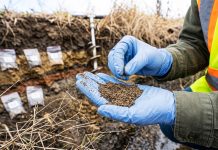
Healthy roots mean healthy soil. Pull a plant, shake gently, and look for soil that clings to fine roots—a sign of active microbial life.
These practical actions are examples of science based plant disease management practices, where decisions are guided by observation, research, and ecological understanding rather than guesswork.
Let’s Grow This Community
I’m just launching this blog, and your experiences will shape what I dive into next.
➢ What plant disease identification challenges are you facing?
➢ Have you experimented with bioinoculants or biochar in your fields or garden?
➢ Which plant disease management strategies have worked (or failed) for you?
Drop your questions, successes, or soil struggles in the comments below.
Subscribe to get weekly, practical insights on crop resilience, rhizosphere engineering, and science-backed sustainable agriculture.
Together, let’s grow smarter and continue exploring innovative, sustainable solutions for healthier crops and stronger agricultural systems.