
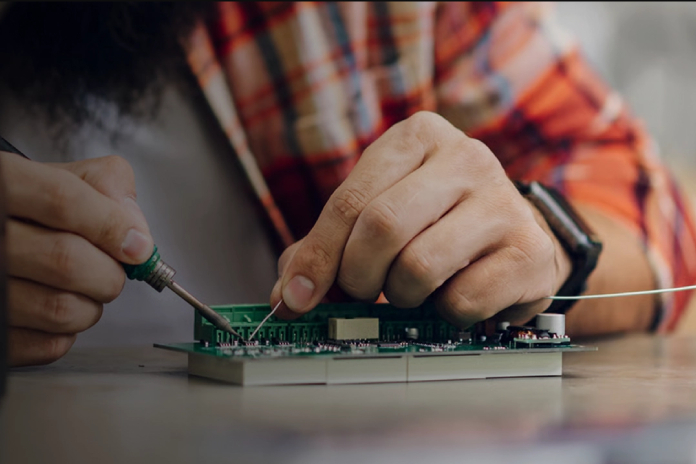
Electrical systems and computer technologies are becoming increasingly connected. From smart home devices and automated factories to electric vehicles, robotics, and intelligent healthcare equipment, modern innovations depend on both electronic hardware and computing systems. Engineers who understand these technologies play an important role in designing, developing, testing, and improving the systems used in everyday life.
As industries adopt artificial intelligence, automation, the Internet of Things (IoT), and advanced semiconductor technologies, the demand for professionals with interdisciplinary engineering knowledge continues to evolve.
For students planning a career after B.Tech Electrical and Computer Engineering, understanding the available job roles, technical skills, higher education options, and emerging industry opportunities can help them make informed career decisions.
B.Tech. (Electrical and Computer Engineering) combines fundamental concepts of electrical engineering with computer hardware, programming, electronics, and embedded technologies. This combination allows graduates to explore opportunities across traditional engineering sectors and technology-driven industries.
At Lovely Professional University (LPU), students interested in this field can explore engineering education that emphasizes technical knowledge, practical learning, innovation, and professional skill development.
Let’s explore the different Electrical and Computer Engineering career paths and how students can prepare for future opportunities.
Introduction to Career Paths after B.Tech. (Electrical and Computer Engineering)
Electrical and Computer Engineering is an interdisciplinary engineering field that connects electrical systems, electronic circuits, computer hardware, software, and intelligent technologies.
The programme helps students understand how electrical components interact with computing systems to perform complex tasks. It also introduces engineering principles used in automation, communication devices, embedded systems, and digital technologies.
For Electrical and Computer Engineering graduates, career opportunities extend beyond conventional electrical engineering jobs. Depending on their skills and specializations, graduates may explore software development, computer hardware engineering, embedded systems, robotics, industrial automation, and semiconductor technologies.
Students pursuing this engineering discipline can develop knowledge in areas such as:
- Electrical circuits and electronic systems
- Digital electronics and computer architecture
- Microprocessors and microcontrollers
- Programming languages and software development
- Embedded systems and IoT applications
- Control systems and industrial automation
- Semiconductor technology and VLSI design
- Computer networks and communication systems
These technical foundations support different engineering career options, allowing graduates to choose professional directions based on their interests and abilities.
Career Opportunities after B.Tech. (Electrical and Computer Engineering)
One of the important advantages of Electrical and Computer Engineering is its relevance across multiple industries.
Modern businesses increasingly depend on connected devices, automated equipment, computing infrastructure, and intelligent electronic systems. This creates diverse career opportunities after Electrical and Computer Engineering.
Electronics and Hardware Development
Electronics manufacturers and technology companies require engineers who understand circuit design, electronic components, hardware testing, and product development.
Graduates may contribute to designing electronic devices, developing hardware prototypes, and improving product performance.
Software and IT Industry
Electrical and Computer Engineering graduates with strong programming and software development skills can explore opportunities in the IT sector.
Potential roles include software developer, application engineer, systems programmer, and technical support engineer.
Embedded Systems and IoT
Embedded systems combine hardware and software to perform specific functions within electronic devices.
These technologies are used in automobiles, healthcare equipment, industrial machines, smart appliances, and communication devices.
Industrial Automation and Robotics
Manufacturing industries use automated machines, sensors, controllers, and robotic systems to improve productivity.
Engineers with knowledge of electronics, programming, and control systems may contribute to developing and maintaining these technologies.
Telecommunications and Networking
Communication companies require professionals to support networking equipment, digital communication systems, electronic infrastructure, and connected technologies.
Public Sector Opportunities
Graduates may also explore eligible technical positions in government organizations, public-sector enterprises, research institutions, and engineering departments.
Recruitment generally depends on specific eligibility requirements, examinations, and selection procedures.
The availability of Electrical and Computer Engineering jobs varies according to industry requirements, technical skills, experience, and specialization.
Top Job Roles for Electrical and Computer Engineering Graduates
After completing B.Tech. Electrical and Computer Engineering, graduates can pursue different technical positions depending on their academic preparation and professional interests.
Career Opportunities at a Glance
| Job Role | Primary Responsibilities | Important Skills |
| Electrical Engineer | Design, test, and maintain electrical systems | Electrical circuits, system analysis |
| Computer Hardware Engineer | Develop and test computer hardware components | Computer architecture, digital electronics |
| Embedded Systems Engineer | Develop hardware-integrated software systems | C, C++, microcontrollers |
| Software Developer | Design and develop software applications | Python, Java, C++, programming |
| Electronics Design Engineer | Design and test electronic circuits | Circuit design, PCB design |
| Network Engineer | Configure and maintain computer networks | Networking, troubleshooting |
| Automation Engineer | Develop and manage automated systems | PLC, control systems, programming |
| IoT Engineer | Develop connected devices and smart systems | Sensors, IoT protocols, embedded programming |
| Systems Engineer | Integrate and maintain complex technical systems | System design, testing, problem-solving |
Additional Career Pathways
Graduates may also explore positions such as Robotics Engineer, Firmware Developer, Testing Engineer, Technical Consultant, Semiconductor Engineer, and Field Application Engineer.
Advanced positions in chip design, artificial intelligence, and specialized research may require additional training or postgraduate qualifications.
Students should identify their preferred career direction early and gradually build relevant technical expertise.
| Did You Know?
Electrical and Computer Engineering connects hardware and software development. A modern smart device needs electronic circuits to collect information, processors to handle data, and software to perform tasks. Electrical and Computer Engineers can contribute to different stages of developing these connected technologies. |
Career Scope in Electrical and Computer Engineering
The Electrical and Computer Engineering scope extends across industries that depend on electronic hardware, computing systems, automation, and digital infrastructure.
Traditional sectors such as manufacturing, electrical equipment, telecommunications, and industrial maintenance continue to use engineering expertise.
Meanwhile, developments in artificial intelligence, semiconductor technology, robotics, and intelligent devices are creating new technical challenges and career opportunities.
For example, automobile manufacturers increasingly integrate sensors, processors, electronic controllers, and software into vehicle systems. Engineers who understand both hardware and computing can contribute to developing and testing these technologies.
Similarly, healthcare equipment manufacturers use embedded computing systems in medical monitoring devices, diagnostic equipment, and automated instruments.
The future of Electrical and Computer Engineering will be influenced by technological innovation, industrial investment, digital transformation, and the development of intelligent systems.
Students who combine strong engineering fundamentals with practical experience and adaptable technical skills may be better prepared for these changes.
Emerging Career Opportunities in AI, Robotics, IoT, and Embedded Systems
Some of the most interesting developments in Electrical and Computer Engineering involve technologies that combine computing, electronics, and intelligent automation.
Artificial Intelligence Careers
Artificial intelligence is increasingly used in manufacturing, healthcare, transportation, and consumer electronics.
Graduates interested in artificial intelligence careers may explore AI-enabled hardware, edge computing, intelligent sensors, and machine learning applications.
These positions often require additional knowledge of programming, algorithms, mathematics, and AI development tools.
Robotics Engineering Jobs
Robotics combines mechanical systems, electronics, sensors, programming, and control technologies.
Electrical and Computer Engineering graduates can contribute to robotic control systems, electronic interfaces, sensor integration, and automation software.
Internet of Things Careers
IoT technology allows physical devices to collect, exchange, and process information through connected networks.
Examples include smart home appliances, industrial monitoring systems, wearable devices, and intelligent agriculture equipment.
IoT engineers may work on sensors, embedded software, device communication, and hardware integration.
Embedded Systems Jobs
Embedded systems are specialized computing systems designed to perform dedicated functions.
They are widely used in automotive electronics, industrial equipment, medical devices, and consumer products.
Engineers working in embedded technology may develop firmware, integrate microcontrollers, and test hardware-software interactions.
AI Hardware and Smart Devices
AI hardware engineers contribute to computing systems designed to process artificial intelligence workloads efficiently.
This field connects computer architecture, semiconductor technology, digital design, and specialized computing.
These emerging opportunities demonstrate how Electrical and Computer Engineering connects traditional engineering knowledge with modern digital technologies.
Core Technical and Soft Skills Required for a Successful Career
A successful career in Electrical and Computer Engineering requires a combination of technical expertise, practical experience, and professional abilities.
Employers often look for graduates who can understand engineering problems, develop solutions, and work effectively in technical teams.
Technical Skills
Programming Languages: Knowledge of Python, C, and C++ can support software development, embedded programming, and automation-related applications.
Circuit Design: Understanding electrical and electronic circuits helps engineers design, analyze, and troubleshoot hardware systems.
Microcontrollers: Familiarity with microcontrollers and processors is useful for developing embedded devices and intelligent electronic products.
Embedded Programming: Embedded programming allows engineers to develop software that interacts directly with hardware components.
VLSI Design: Very Large Scale Integration involves designing integrated circuits containing large numbers of electronic components.
Engineering Software: MATLAB and Simulink can support modeling, simulation, control system analysis, and engineering calculations.
Professional Skills
Alongside technical abilities, students should develop communication, teamwork, analytical thinking, time management, adaptability, and problem-solving skills.
Skills and Their Career Applications
| Skill Area | Tools or Technologies | Relevant Career Fields |
| Programming | Python, C, C++ | Software development, embedded systems |
| Circuit Design | Circuit simulators, PCB design tools | Electronics engineering, hardware development |
| Embedded Systems | Microcontrollers, firmware tools | IoT, automotive electronics |
| Computer Architecture | Digital logic, processor design | Computer hardware, semiconductor engineering |
| Automation | PLC, control systems | Manufacturing, robotics |
| Simulation | MATLAB, Simulink | Research, system design |
| Networking | Network protocols, configuration tools | Telecommunications, network engineering |
| VLSI Design | HDL, digital design tools | Semiconductor and chip design |
Practical projects, internships, workshops, and technical competitions can help students strengthen these skills.
Higher Education and Professional Certification Options after Graduation
Not every Electrical and Computer Engineering graduate chooses immediate employment.
Some students pursue postgraduate education to develop specialized knowledge, enter research, or prepare for advanced engineering positions.
M.Tech in Electrical and Computer Engineering
An M.Tech or related postgraduate engineering programme can provide advanced learning in computer systems, electronics, embedded technologies, control engineering, and other specialized fields.
Programme names and available specializations vary across universities.
MS in Computer Engineering
Students interested in international education can explore MS programmes in Computer Engineering, Electrical Engineering, Embedded Systems, or related disciplines.
Specializations may include computer architecture, artificial intelligence, semiconductor technology, and advanced computing systems.
Professional Certifications
Short-term certifications can help graduates develop industry-specific technical abilities.
Popular areas include:
- Embedded systems certification
- IoT certification
- Cloud computing certification
- Industrial automation certification
- Python and C++ programming courses
- Semiconductor and VLSI design training
- Networking and cybersecurity certifications
The right certification depends on the student’s career interests and the requirements of the intended job role.
Research and Innovation Opportunities in Electrical and Computer Engineering
Electrical and Computer Engineering research contributes to developments in intelligent electronics, computing systems, automation, and advanced digital technologies.
Students interested in innovation can explore several research areas.
Artificial Intelligence Research
AI research includes intelligent computing systems, machine learning applications, and efficient hardware for AI processing.
Embedded Systems Research
Embedded systems research focuses on improving the performance, reliability, security, and energy efficiency of hardware-integrated computing devices.
Semiconductor and VLSI Research
Semiconductor research involves integrated circuits, chip architectures, electronic components, and advanced computing hardware.
Computer Hardware Innovation
Researchers explore improved processors, memory systems, hardware accelerators, and energy-efficient computing technologies.
Robotics and Automation Research
Robotics research combines sensors, control systems, electronic hardware, and computing technologies to develop automated machines.
Students interested in engineering R&D can pursue research projects, postgraduate education, or specialized technical positions.
| Did You Know?
Many everyday devices contain embedded computers. Washing machines, fitness trackers, automobile safety systems, and smart televisions use embedded processors to control specific functions. These systems demonstrate how computer engineering concepts are applied beyond traditional desktop computers. |
Global Career Opportunities for Electrical and Computer Engineering Professionals
Electrical and Computer Engineering knowledge is relevant across international technology and manufacturing industries.
Countries investing in semiconductor manufacturing, digital infrastructure, robotics, telecommunications, and advanced electronics may offer opportunities for qualified engineering professionals.
Graduates interested in international Electrical and Computer Engineering jobs can explore opportunities with multinational technology companies, electronics manufacturers, industrial organizations, and engineering service providers.
Potential fields include embedded systems, hardware design, software engineering, automation, semiconductor technology, and networking.
Preparing for International Opportunities
Students planning to pursue ECE jobs abroad should focus on developing strong technical skills, communication abilities, and practical experience.
International employers may require specific qualifications, technical certifications, professional experience, or work authorization.
Some positions may also require knowledge of international engineering standards and local regulations.
Postgraduate education abroad can provide additional exposure to advanced technologies and international research environments.
Global engineering careers depend on qualifications, specialization, employer expectations, and local employment conditions.
Entrepreneurship and Startup Opportunities in Electrical and Computer Engineering
Electrical and Computer Engineering also provides opportunities for graduates interested in developing technology-based businesses.
Students with technical expertise and an entrepreneurial mindset can explore electronic products, software solutions, smart devices, and automation services.
Electrical and Computer Engineering Startup Ideas
| Business Area | Potential Startup Opportunity |
| IoT Hardware | Smart home devices and connected monitoring systems |
| Robotics | Automation solutions and robotic prototypes |
| Artificial Intelligence | AI-enabled hardware and intelligent applications |
| Embedded Technology | Custom embedded devices and firmware development |
| Electronics | Electronic product design and prototyping |
| Industrial Automation | Smart monitoring and automation solutions |
| Computer Hardware | Specialized computing equipment and technical services |
| Smart Agriculture | Sensor-based irrigation and monitoring systems |
For example, an entrepreneur interested in IoT technology may develop connected devices that monitor electricity consumption or environmental conditions.
Similarly, graduates with robotics knowledge can explore automation solutions for small manufacturing businesses.
However, engineering entrepreneurship also requires business planning, financial management, customer research, product testing, and regulatory compliance.
Combining technical knowledge with entrepreneurial skills can help graduates explore opportunities beyond conventional employment.
Industry Exposure and Practical Learning at LPU
Practical learning plays an important role in preparing students for professional engineering careers.
At Lovely Professional University, students can explore an engineering learning environment that emphasizes technical education, projects, innovation, and skill development.
Engineering Projects at LPU
Project-based learning helps students connect classroom concepts with practical applications.
Students interested in Electrical and Computer Engineering may explore project ideas involving microcontrollers, sensors, electronic circuits, embedded systems, IoT devices, and automation technologies.
Such activities can help strengthen technical understanding and problem-solving abilities.
Industrial Training and Internships
Industrial training introduces students to professional engineering practices, equipment, technical workflows, and workplace expectations.
Electrical and Computer Engineering internships may provide exposure to electronics manufacturing, software development, hardware testing, networking, and industrial automation.
Internship opportunities depend on employer requirements, programme arrangements, and individual eligibility.
Technical Activities and Competitions
Engineering workshops, hackathons, technical competitions, and collaborative projects can help students develop creativity, teamwork, and practical confidence.
Students considering LPU should review the current programme-specific internship and project opportunities before applying.
LPU’s Industry-Oriented Learning Ecosystem for Electrical and Computer Engineering
Choosing the right university involves evaluating how academic learning connects with practical experience and professional preparation.
For students exploring the LPU Electrical and Computer Engineering program, the university’s broader engineering ecosystem offers opportunities to build technical knowledge and career-oriented skills.
Engineering Curriculum and Technical Learning
Electrical and Computer Engineering education combines concepts related to electrical circuits, computer systems, electronics, programming, and engineering applications.
Students should examine the latest LPU engineering curriculum to understand the approved subjects, laboratory components, electives, and academic requirements.
Engineering Laboratories and Practical Education
Laboratory sessions and engineering projects can help students understand technical concepts through experimentation.
Practical exposure is particularly important in Electrical and Computer Engineering because students must learn how hardware and software interact in real systems.
Career Preparation and Skill Development
Technical interview preparation, communication skills, programming practice, project development, and industry awareness can contribute to professional readiness.
LPU’s emphasis on practical engineering education and student development makes it an option worth considering for students interested in multidisciplinary engineering careers.
Applicants should verify programme-specific facilities, academic resources, internships, and placement information through current university sources.
LPUNEST – Your Gateway to B.Tech. (Electrical and Computer Engineering)
Students planning to pursue B.Tech. at Lovely Professional University can explore LPUNEST, the university’s entrance and scholarship test.
LPUNEST is used for admission and scholarship consideration in applicable programmes, subject to the university’s current admission policies.
Understanding the LPUNEST Process
Students generally begin by reviewing the programme’s eligibility requirements and completing the applicable registration process.
They should then check the examination pattern, available test schedules, admission procedures, and scholarship criteria.
Scholarship opportunities may depend on examination performance and other applicable eligibility conditions.
Preparing for LPUNEST
Students preparing for engineering entrance examinations can strengthen their understanding of relevant Class 11 and Class 12 concepts, practice questions, and review the latest examination syllabus.
Candidates should verify current LPUNEST registration dates, fees, eligibility requirements, examination schedules, and scholarship details through LPU’s official admission information.
Future Trends and Career Growth in Electrical and Computer Engineering
The future of Electrical and Computer Engineering is closely connected with developments in artificial intelligence, semiconductor technology, automation, and connected computing systems.
Several emerging trends may influence the future demand for engineers.
Industry 4.0 and Smart Manufacturing
Industry 4.0 combines automation, connected devices, sensors, and intelligent computing systems.
Electrical and Computer Engineers can contribute to designing and integrating these technologies.
Artificial Intelligence and Edge Computing
Edge computing processes information closer to the devices generating it rather than relying entirely on remote servers.
This approach is useful in intelligent cameras, industrial sensors, autonomous systems, and connected devices.
Semiconductor Technology
Semiconductor technology supports processors, memory devices, communication equipment, and advanced electronics.
Engineers with knowledge of digital design, computer architecture, and VLSI may explore opportunities in chip development and testing.
Robotics and Intelligent Automation
Robotic systems increasingly use sensors, embedded processors, and intelligent software to perform complex tasks.
These developments create opportunities involving hardware integration, control systems, and automation programming.
Smart Computing and Connected Devices
Smart devices continue to expand across healthcare, transportation, agriculture, manufacturing, and consumer electronics.
Engineers who understand both hardware and computing can contribute to developing efficient and reliable connected technologies.
These trends suggest that Electrical and Computer Engineering professionals who continuously update their technical skills may be better prepared for changing industry requirements.
| Did You Know?
A single modern vehicle can contain many electronic control units. These embedded computing systems manage functions such as engine performance, braking assistance, climate control, and vehicle safety. Their operation depends on electronic hardware, sensors, communication networks, and software working together. |
Conclusion: Building a Successful Career in Electrical and Computer Engineering
A career after B.Tech Electrical and Computer Engineering can lead to several professional directions, including computer hardware development, software engineering, embedded systems, robotics, industrial automation, semiconductor technology, and research.
The combination of electrical engineering and computing knowledge makes this discipline relevant to established industries as well as emerging technology sectors.
Graduates can pursue employment, postgraduate education, research, international opportunities, or entrepreneurship depending on their interests and preparation.
At Lovely Professional University, students interested in this field can explore an engineering education environment that emphasizes technical learning, practical activities, innovation, and professional skill development.
However, successful Electrical and Computer Engineering career growth requires more than completing an academic degree.
Students should strengthen their technical fundamentals, develop programming abilities, participate in projects, explore internships, and remain informed about technological developments.
For those interested in understanding how electronic hardware and computing technologies work together, Electrical and Computer Engineering can offer a rewarding academic and professional direction.
Frequently Asked Questions (FAQs)
Q1. What are the career opportunities after B.Tech. Electrical and Computer Engineering?
Graduates can explore careers in computer hardware engineering, software development, embedded systems, electronics design, robotics, industrial automation, IoT, networking, and semiconductor technology. Opportunities depend on technical skills, practical experience, and employer requirements.
Q2. Is Electrical and Computer Engineering a good career option for the future?
Electrical and Computer Engineering can be a worthwhile option for students interested in both hardware and computing technologies. Developments in artificial intelligence, robotics, IoT, semiconductor technology, and automation create opportunities for engineers with relevant expertise.
Q3. Can Electrical and Computer Engineering graduates work in IT companies?
Yes. Graduates with strong programming, software development, and problem-solving skills can explore opportunities in IT companies. Roles may include software developer, systems engineer, application developer, and technical consultant.
Q4. What skills are important for Electrical and Computer Engineering graduates?
Important skills include programming, circuit design, digital electronics, computer architecture, embedded systems, microcontrollers, and technical problem-solving. Knowledge of Python, C++, MATLAB, and hardware design tools can also be useful.
Q5. Can Electrical and Computer Engineering graduates pursue careers in artificial intelligence and robotics?
Yes. Graduates can explore AI and robotics careers by developing relevant skills in programming, machine learning, embedded computing, sensors, and automation. Specialized roles may require additional training or postgraduate qualifications.