
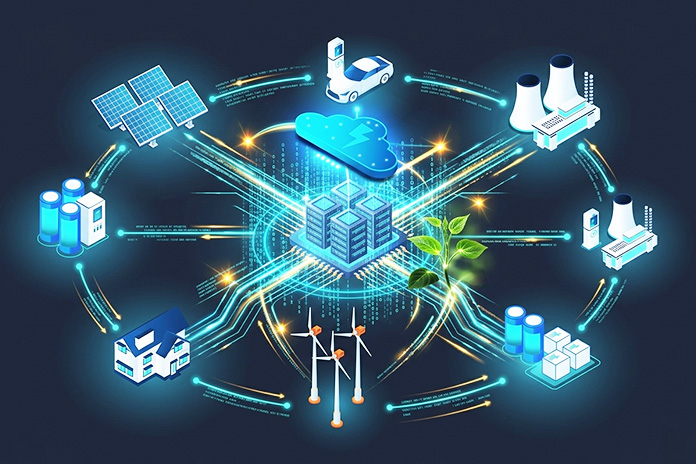
In today’s rapidly evolving energy landscape, the need for efficient and intelligent systems has become more important than ever. With increasing energy demand and the growing use of renewable sources, traditional power systems are no longer sufficient. This is where technologies like machine learning, energy management systems, and AI-powered grids are playing a crucial role in transforming how energy is managed.
What is an Energy Management System?
An energy management system is designed to monitor, control, and optimise energy usage across different environments, such as buildings, industries, or microgrids. It collects real-time data related to energy consumption and helps identify patterns, inefficiencies, and areas where improvements can be made.
Rather than relying on manual monitoring, these systems use data-driven insights to ensure that energy is used efficiently. In a microgrid setup, this becomes especially useful as it helps balance local energy generation and consumption while reducing unnecessary losses.
Understanding AI-Powered Power Grids
An AI power grid, often referred to as a smart grid, goes a step further by combining digital infrastructure with intelligent decision-making. These systems use sensors, smart meters, and connected devices to continuously collect data about energy usage and grid performance.
Machine learning models analyse this data to identify patterns and predict future demand. Based on these insights, the system can automatically adjust energy distribution, manage storage, and even respond to disruptions in real time. This makes the grid more flexible, efficient, and reliable compared to traditional systems.
How Machine Learning Supports Microgrid Management
Microgrids are small, localised energy systems that often depend on renewable sources such as solar or wind. Since these sources can be unpredictable, managing them efficiently becomes a challenge.
Machine learning helps address this by enabling microgrid optimisation. It can forecast energy generation based on weather patterns, predict demand fluctuations, and ensure that supply and demand remain balanced. This improves overall system performance and reduces dependency on external power sources.
Challenges in Implementation
While the benefits are significant, implementing machine learning in energy systems is not without challenges.
One of the key concerns is the availability of high-quality data. Since these systems rely heavily on data for accurate predictions, any inconsistency can affect performance. Integration with existing infrastructure is another challenge, as traditional grids were not designed for advanced analytics or automation.
In addition, as systems become more connected, issues related to cybersecurity and data protection also become important considerations in modern energy networks.
Future of Machine Learning in Energy Systems
The future of energy systems is closely tied to intelligent automation. With advancements in artificial intelligence and machine learning, energy systems are expected to become more adaptive and self-sufficient.
As the use of renewable energy continues to grow, machine learning will play a key role in ensuring efficient distribution, reduced energy loss, and improved sustainability. Smart grids will increasingly rely on predictive analytics and real-time decision-making to handle complex energy demands.
What Students Can Learn from This
For students, this field offers a strong combination of technology, sustainability, and real-world application. It brings together concepts from engineering, data science, and environmental studies, making it highly relevant for future careers.
Understanding how intelligent energy systems work can open pathways in areas such as energy analytics, smart grid development, and renewable energy management. More importantly, it provides an opportunity to contribute to solutions that address global energy challenges.
Conclusion
Machine learning is gradually reshaping how energy systems operate. From improving efficiency to enabling real-time optimisation, its role in modern power systems is becoming increasingly important. As technologies continue to evolve, intelligent energy systems will play a central role in building a more sustainable and reliable future.