Why We Think, React, and Communicate the Way We Do
A student enters the interview room with a well prepared resume, formal attire, and rehearsed answers. Technically, everything seems perfect. Yet, within a few minutes, nervousness takes over. The voice begins to shake, thoughts become unclear, confidence drops, and simple questions suddenly feel difficult.
- Why does this happen?
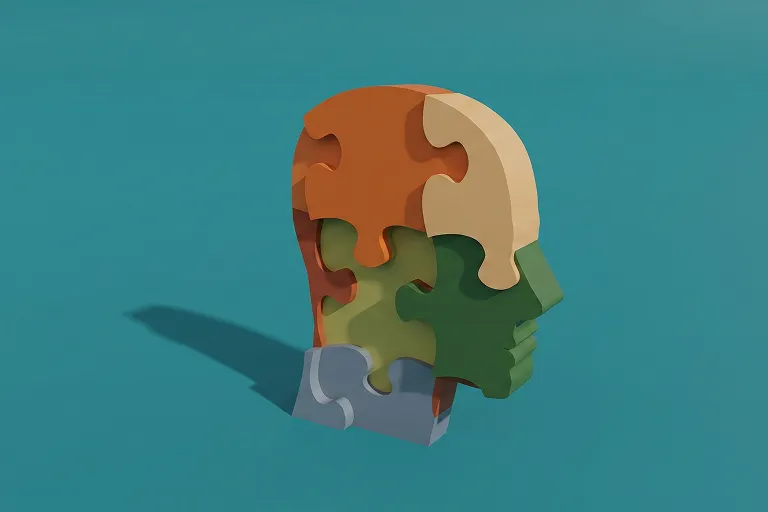
The answer often lies deeper than preparation or communication skills. It lies inside the invisible world of the subconscious mind, the hidden system of mental conditioning, silently controlling thoughts, reactions, habits, confidence, and human behavior.
In placement drives, students often believe they are speaking consciously, but in reality, many responses come from years of conditioning shaped by student psychology. Family atmosphere, childhood experiences, social media exposure, peer groups, movies, online content, comparison culture, fear of judgment, and repeated emotional experiences all shape how the subconscious mind influences thinking and communication.
The mind remembers everything, even when we do not.
The Mind Learns Before We Realize It
Imagine the subconscious mind as an invisible recording system. Every repeated experience, emotion, criticism, fear, encouragement, and social influence becomes part of long-term mental conditioning.
This is the foundation of self-awareness and personal growth.
A child constantly appreciated for expressing opinions may grow into a confident speaker. Another child repeatedly interrupted, judged, or compared may develop hesitation and self doubt. Years later, during group discussions or interviews, both students reflect different communication patterns due to understanding subconscious conditioning in students.
This explains why student psychology plays such an important role in career outcomes and personal development.
This is also directly related to the role of the subconscious mind in placement interviews.
One answers confidently.
The other overthinks every sentence.
One handles pressure calmly.
The other panics after a single difficult question.
One speaks with clarity.
The other fears being judged.
Most of these reactions are not created in the interview room but are shaped by mental conditioning formed long before it.
Students Often Speak from Habit, Not Awareness
One major issue observed in communication skills during GDs and interviews is that many students unknowingly speak from habit rather than conscious thinking.
They repeat opinions they have heard around them.
They react emotionally instead of using critical thinking.
They struggle with communication maturity and original expression.
They fear sharing ideas due to lack of self-awareness.
Why?
Because the subconscious mind is deeply connected with mindset development and prefers familiarity over change.
This directly explains why students lack confidence during interviews.
If students grow up in environments where risk-taking is discouraged, they may avoid bold communication. If they are exposed to negativity or comparison culture, it affects their positive mindset and emotional stability.
Eventually, these patterns shape their communication skills, confidence building, and interview performance.
True communication maturity is not just vocabulary—it is emotional intelligence, restraint, listening ability, and awareness of when to speak and when not to.The Silent Influence of Digital Content
Today’s generation consumes massive digital content daily. This creates a strong impact of social media on subconscious thinking.
The subconscious mind absorbs everything silently, shaping human behavior, mindset, and emotional responses.
This reflects the effects of digital content on student mindset.
For example:
- Constant comparison on social media reduces confidence and weakens confidence building
· Aggressive debates affect communication maturity
· Unrealistic success stories disturb positive mindset
· Negative content increases fear and self doubt
Over time, this shows how the subconscious mind directly affects communication skills and thinking patterns.
Placement Interviews Test More Than Knowledge
Students often assume placements are only about technical skills. But recruiters evaluate deeper aspects of human behavior and student psychology.
They observe:
- Emotional intelligence
- Self-awareness
- Communication skills
- Confidence building
- Critical thinking
- Adaptability
- Personal development
A student may know the answer but still fail due to fear or lack of emotional control.
This highlights how how emotional intelligence improves interview performance and how improving interview performance through self-awareness becomes essential.
The Problem of Living Inside a “Small Horizon”
Many students unconsciously develop limitations in thinking due to fear, comparison, or past experiences. This affects personal growth and critical thinking.
As a result, they struggle to express broader perspectives in interviews.
Companies expect candidates with:
- Strong communication skills
- Emotional intelligence
- Positive mindset
- Self-awareness
- Problem-solving ability
- Personal development mindset
Growth begins when students question their conditioning instead of living inside it.
Emotional Intelligence: The Missing Ingredient
Many students ignore emotional intelligence for career growth, even though it is a key factor in success.
Emotionally intelligent students:
- Stay calm under pressure
- Improve communication skills naturally
- Handle criticism positively
- Build self-awareness
- Strengthen confidence building
This clearly shows developing emotional intelligence for career growth leads to better performance.
Self-awareness questions include:
Why do I fear speaking publicly?
Why do I panic during interviews?
Why do I seek validation?
Why do I hesitate to share ideas?
This is the core of improving interview performance through self-awareness.
Beyond Placements: The Same Mindset Follows Us Everywhere
These subconscious patterns do not end after placements. They continue shaping communication, relationships, and workplace behavior.
Even in professional life, people struggle with:
- Communication maturity
- Emotional reactions
- Low confidence building
- Overthinking and fear of judgment
- Validation seeking behavior
This reflects deep human behavior patterns shaped by subconscious conditioning.
Rewriting the Invisible Blueprint
The subconscious mind is powerful, but change is possible through mindset development and consistent effort.
Students can reshape their thinking through:
- Self-awareness practice
- Emotional intelligence development
- Positive mindset habits
- Better content consumption habits
- Critical thinking improvement
- Personal growth activities
This gradually improves communication skills, confidence building, and personal development.
Conclusion
The subconscious mind silently shapes how students think, speak, react, and present themselves during placement drives. Interviews reflect not just knowledge but emotional intelligence, student psychology, mental conditioning, and self-awareness.
Many students operate under invisible conditioning shaped by environment, social media, and past experiences.
To succeed, students must develop positive mindset, strengthen communication skills, and build confidence through self-awareness.
Because sometimes, the biggest obstacle in an interview room is not the interviewer.
It is the invisible blueprint inside the mind.