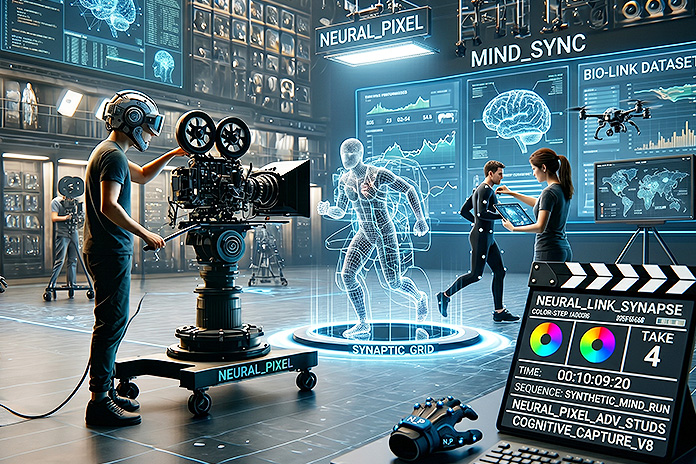
From Silent Films to AI-Powered Interactive Storytelling
Cinema has always evolved with human creativity and technological advancement. The evolution of cinema from silent films to AI shows how storytelling has continuously transformed with every innovation. From black-and-white visuals to digital filmmaking, animation, VFX, and OTT platforms, every stage has changed the way audiences experience stories.
Today, the combination of future of cinema and artificial intelligence is opening new possibilities for filmmakers, creators, and audiences. AI is not only changing how movies are produced but also redefining storytelling, character creation, visual effects, and audience interaction.
The future of entertainment may not only be about watching a movie; it may become about entering, influencing, and creating the story.
The Evolution of Cinema: A Journey Through Time
Silent Era: The Beginning of Visual Storytelling
The first phase of cinema started with silent movies that used black-and-white visuals without sound or dialogue. Storytelling depended completely on actors’ expressions, emotions, and visual communication.
This era proved that powerful storytelling could exist even without words. It created the foundation for filmmaking and showed how visuals could connect with audiences.
The Arrival of Color: Adding Emotion Through Visuals
The introduction of color films was a major milestone in the history of cinema. Colors gave filmmakers new ways to express emotions, create realistic environments, and build imaginative worlds.
A scene could now feel magical, dramatic, or realistic depending on the use of colors. This innovation changed the way audiences experienced movies.
Animation: Expanding the Limits of Imagination
Animation introduced a new level of creativity by combining technology and art. Filmmakers could create characters and worlds that were impossible in traditional live-action cinema.
Animated films showed that storytelling was not limited by reality. The growth of animation became one of the major emerging trends in the film industry, allowing creators to explore unlimited possibilities.
Series and Episodes: Deeper Storytelling Experiences
The rise of serials and episodic content changed the structure of storytelling. Instead of completing a story within a few hours, creators started developing longer narratives with deeper characters and emotional connections.
This shift created new opportunities for storytelling and changed audience expectations.
Digital Revolution: How Technology Is Changing Cinema
The transition from film reels to digital cameras completely transformed filmmaking. Digital technology improved picture quality, editing speed, and production possibilities.
Modern tools allow filmmakers to create content faster and experiment with new ideas. This is a major example of how technology is changing cinema and making filmmaking more accessible.
Visual Effects and CGI: Creating the Impossible
Visual Effects (VFX) and Computer-Generated Imagery (CGI) have changed the film industry by bringing imaginary worlds to life.
From fantasy landscapes to realistic digital characters, VFX has removed many physical limitations of filmmaking. Today, filmmakers can create experiences that were once impossible to imagine.
OTT Platforms: The New Way of Watching Stories
OTT platforms have completely changed movie consumption habits. Audiences can now access films and series anytime and anywhere.
This transformation has created new opportunities for creators and introduced different formats of storytelling. The future of movie watching experiences will likely continue moving towards personalized and flexible entertainment.
How AI Is Transforming the Film Industry
Artificial Intelligence is becoming one of the biggest changes in modern filmmaking. AI is being used in areas like:
- Script development and story analysis
- Visual effects improvement
- Animation assistance
- Character creation
- Editing and production support
- Personalized entertainment experiences
AI is helping creators explore new methods of storytelling while making production processes more efficient.
However, human creativity, emotions, and imagination will continue to remain the heart of cinema.
The Future of Cinema: Next Generation Cinema Experiences
The future of filmmaking is moving towards interactive and personalized experiences. Next generation cinema experiences may allow audiences to become active participants instead of only viewers.
Next Morning Show: Choose Your Own Ending
Future movies may include multiple endings where audiences can decide the final outcome.
A film could have three or four possible endings, and viewers may vote in real time to select which ending plays. This could create a different experience every time a movie is watched.
Next Matinee: Your Own Story With Digital Avatars
Digital personas and AI avatars may become an important part of future entertainment.
Audiences may experience stories where their own digital identity becomes part of the movie world. Characters and plots could adjust according to personal choices.
Next First Show: AI-Powered Digital Performers
In the future, audiences may create their own avatars that can perform, act, and participate in storytelling.
AI-generated characters could help create personalized stories where viewers feel connected to the experience.
Next Second Show: Movies Becoming Interactive Games
The future may combine cinema, gaming, and social experiences.
Audiences could use digital avatars of themselves and their favorite characters to create interactive experiences with friends and family. Stories could develop live based on audience participation instead of following only a fixed script.
Future Innovations in Cinematic Storytelling
The next phase of cinema will focus on:
- AI-powered storytelling
- Interactive movies
- Virtual and augmented reality experiences
- Personalized characters
- Digital avatars
- Real-time content creation
These innovations may completely redefine the relationship between creators and audiences.
Conclusion: Shall We Watch a Movie or Create One?
The journey from silent films to AI-powered storytelling shows that cinema has never stopped evolving. The future of cinema and artificial intelligence represents a new era where technology and creativity will work together to create unforgettable experiences.
The future of entertainment may not simply ask:
“Let’s go for a movie.”
It may ask:
“Shall we create a movie?”