
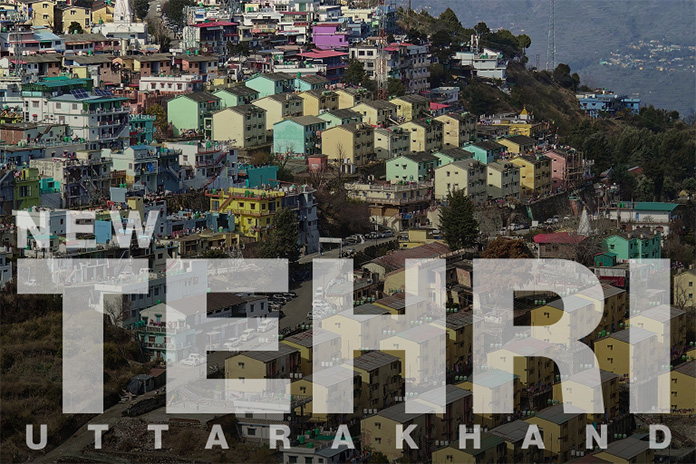
The story of New Tehri is not just about a city it’s about transformation, sacrifice, and rebuilding lives. Rooted deeply in New Tehri history, this town stands as a living example of how development and displacement can exist side by side. It reflects the realities of urban development in Uttarakhand, where progress often comes with complex human and environmental challenges.
Introduction
New Tehri emerged as a result of one of India’s most ambitious hydroelectric projects—the Tehri Dam. While the dam brought power generation and infrastructure growth, it also led to large-scale displacement of people. This dual narrative forms the core of the Tehri dam story, making it both inspiring and emotional.
The Background of Tehri Dam
The Tehri Dam project, initiated in the late 20th century, was designed to harness the potential of the Bhagirathi River for electricity and irrigation. With a height of 260.5 meters, it is among the tallest rockfill dams in the world. The project was planned after decades of research and revisions, reflecting the scale and ambition behind it.
However, this development came at a cost. The construction led to the submergence of the old Tehri town and surrounding villages, marking a significant turning point in New Tehri history.
Displacement and Human Impact
One of the most defining aspects of this transformation is the Tehri dam displacement. Thousands of families had to leave their ancestral homes, lands, and communities. According to official records, over 5,000 families were fully affected, while many others faced partial displacement.
This was not just physical relocation, it was an emotional and cultural shift. Generations of memories were submerged, making the transition deeply challenging for many residents.
Rehabilitation and Creation of New Tehri
To address this, the government implemented extensive rehabilitation plans. New Tehri was developed as a modern township, making it one of the notable examples of rehabilitation towns in India. Families were provided housing, financial compensation, and access to essential facilities like schools, hospitals, and markets.
Over time, the town evolved with better infrastructure, planned layouts, and improved living conditions. It also became a significant case study in planned cities India, showcasing how urban planning can support large-scale resettlement.
Urban Development and Modern Identity
Today, New Tehri stands as a symbol of structured growth and resilience. It reflects the broader narrative of urban development in Uttarakhand, where infrastructure development is aligned with environmental and social considerations.
The town offers organized housing, administrative centers, transportation facilities, and community spaces highlighting a shift from traditional settlements to planned urban living.
A Story of Balance: Development vs Displacement
The Tehri dam story is ultimately about balance. On one side, it represents progress in hydropower generation, irrigation benefits, and economic growth. On the other hand, it reminds us of the human cost involved in such large-scale projects.
This dual perspective makes New Tehri more than just a town; it becomes a narrative of adaptation, resilience, and transformation.
Conclusion
The story of New Tehri is a powerful reminder that development is not just about infrastructure but also about people. As one of the key examples of planned cities India and rehabilitation towns India, it shows how thoughtful planning can help rebuild lives after displacement.
For anyone studying development, urban planning, or social impact, New Tehri offers valuable insights into the complexities of progress. It stands as a testament to how communities can rise, rebuild, and redefine their identity in the face of change.