
Introduction
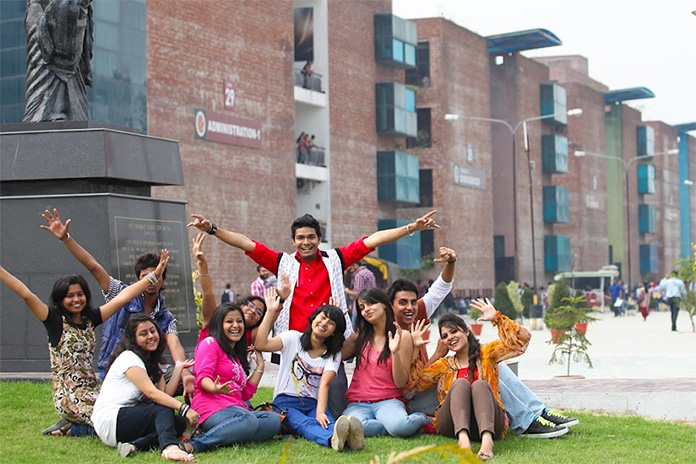
The first year of college is often a mix of excitement, confusion, and new experiences. For many students, it marks the beginning of independence and a transition into a completely different learning environment. However, it is also a time when students make mistakes—not because they lack ability, but because they lack awareness.
Looking back, there are several things that could have made the first year smoother and more meaningful. As educators, sharing these insights can help students make better decisions early on and avoid common pitfalls. This blog highlights some important lessons that students often realize later, but would benefit from knowing in their first year itself, especially while adapting to modern environments like hybrid workspace design.
- Marks Are Important, But Not Everything
Many first-year students enter college with a strong focus on marks, similar to their school experience. While academic performance is important, it is not the only factor that defines success in college or beyond.
Students should understand that skills, practical knowledge, and overall development are equally important. Focusing only on marks may limit opportunities to explore other areas such as projects, internships, and extracurricular activities aligned with product development tech and evolving workspace furniture trends.
- Time Management Is a Crucial Skill
One of the biggest challenges students face in their first year is managing time effectively. With fewer restrictions compared to school, it is easy to develop unproductive habits.
Students often postpone assignments, underestimate deadlines, or spend excessive time on distractions like social media. Learning to plan daily tasks, set priorities, and maintain a balance between studies and personal time can make a significant difference, just like applying furniture design principles in structured environments.
- Building Skills Early Matters
Many students wait until their final years to start learning additional skills. However, starting early provides a strong advantage.
Whether it is learning programming, communication skills, or using new tools, consistent effort from the first year helps in building confidence and competence over time. Small steps taken early can lead to significant growth later, similar to mastering additive manufacturing process concepts in technical domains.
- Asking Questions Is a Strength
Students sometimes hesitate to ask questions due to fear of judgment. This hesitation can limit their understanding and growth.
It is important to create a mindset where asking questions is seen as a positive habit. Clarifying doubts, seeking guidance, and engaging in discussions help students learn more effectively.
- Networking and Communication Are Important
College is not just about academics; it is also about building relationships. Interacting with classmates, seniors, and faculty can open doors to new opportunities.
Students should be encouraged to communicate, participate in group activities, and learn from others. Good communication skills are valuable in both academic and professional settings, including fields like industrial 3D printing India and smart manufacturing.
- Internships and Practical Exposure Matter
Many students underestimate the importance of practical experience in their early years. Internships, workshops, and real-world projects provide exposure that cannot be gained from textbooks alone.
Even small opportunities, such as participating in college events or online projects, can help students understand how their knowledge is applied in real situations and highlight rapid prototyping benefits in real-world scenarios.
- Failure Is Part of Learning
First-year students often fear failure, whether it is in exams, presentations, or competitions. However, failure is a natural part of growth.
Instead of avoiding challenges, students should learn to accept mistakes and improve from them. Developing resilience early helps in handling future difficulties more effectively.
- Health and Well-being Should Not Be Ignored
In the excitement of college life, students sometimes neglect their physical and mental health. Irregular sleep, poor eating habits, and stress can affect performance.
Maintaining a healthy routine, taking breaks, and managing stress are essential for long-term success, much like maintaining comfort design in daily environments.
- Use Technology Wisely
Technology can be both helpful and distracting. While it provides access to learning resources, it can also lead to excessive screen time and reduced productivity.
Students should learn to use technology as a tool for learning rather than a source of distraction.
- Self-Discipline Is More Important Than Motivation
Motivation can be temporary, but discipline ensures consistency. Developing habits such as regular study, timely submission of work, and focused effort helps students stay on track.
Self-discipline is one of the most valuable qualities that students can build during their college years.
Conclusion
The first year of college is a foundation for the years ahead. While mistakes are a natural part of learning, having the right guidance can help students avoid common challenges and make better choices.
As educators, sharing these insights can make a meaningful difference in shaping students’ academic and personal growth. By focusing on skills, discipline, and overall development, students can make their college journey more productive and fulfilling.
Ultimately, success in college is not just about what students achieve, but also about how they grow during the process.






![Is B.Tech. Biomedical Engineering [Lateral Entry] the Right Course for You](https://www.lpu.in/blog/wp-content/uploads/2025/11/Is-B.Tech_.-Biomedical-Engineering-Lateral-Entry-the-Right-Course-for-You-100x70.png "Is B.Tech. Biomedical Engineering [Lateral Entry] the Right Course for You?")